

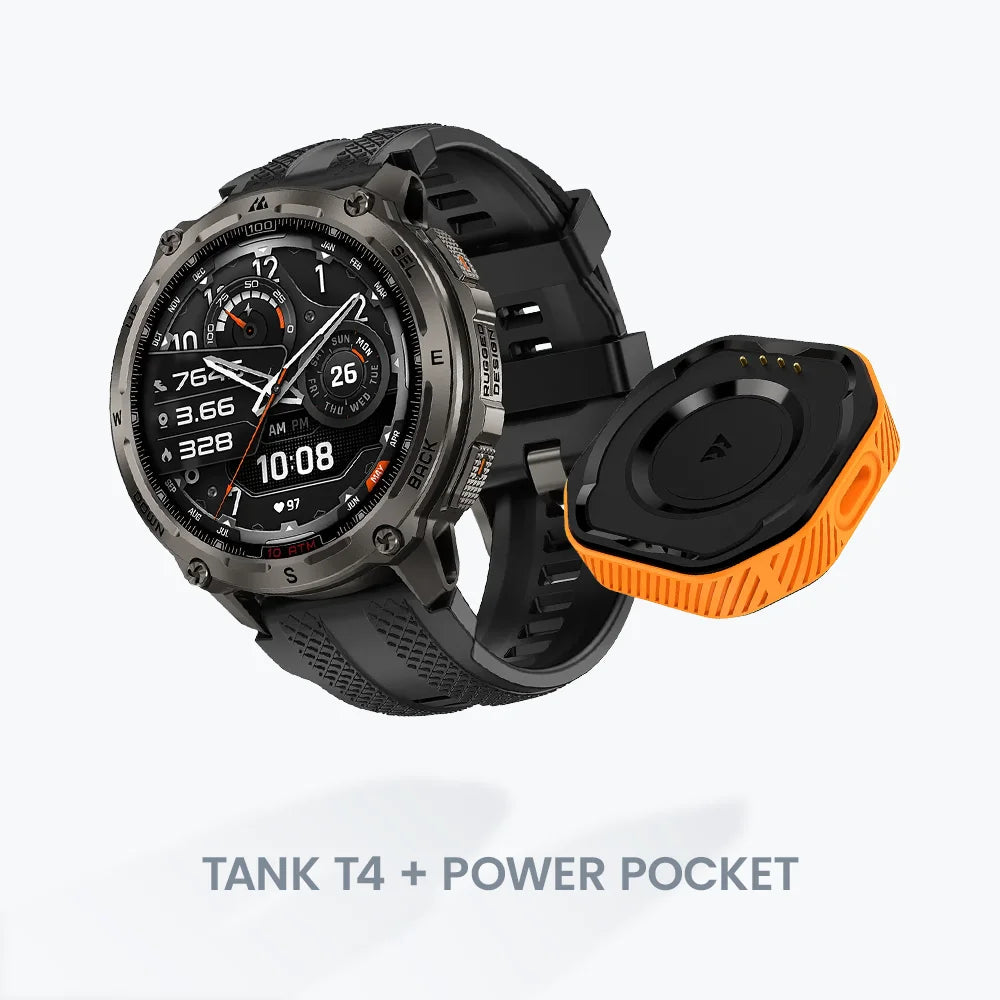
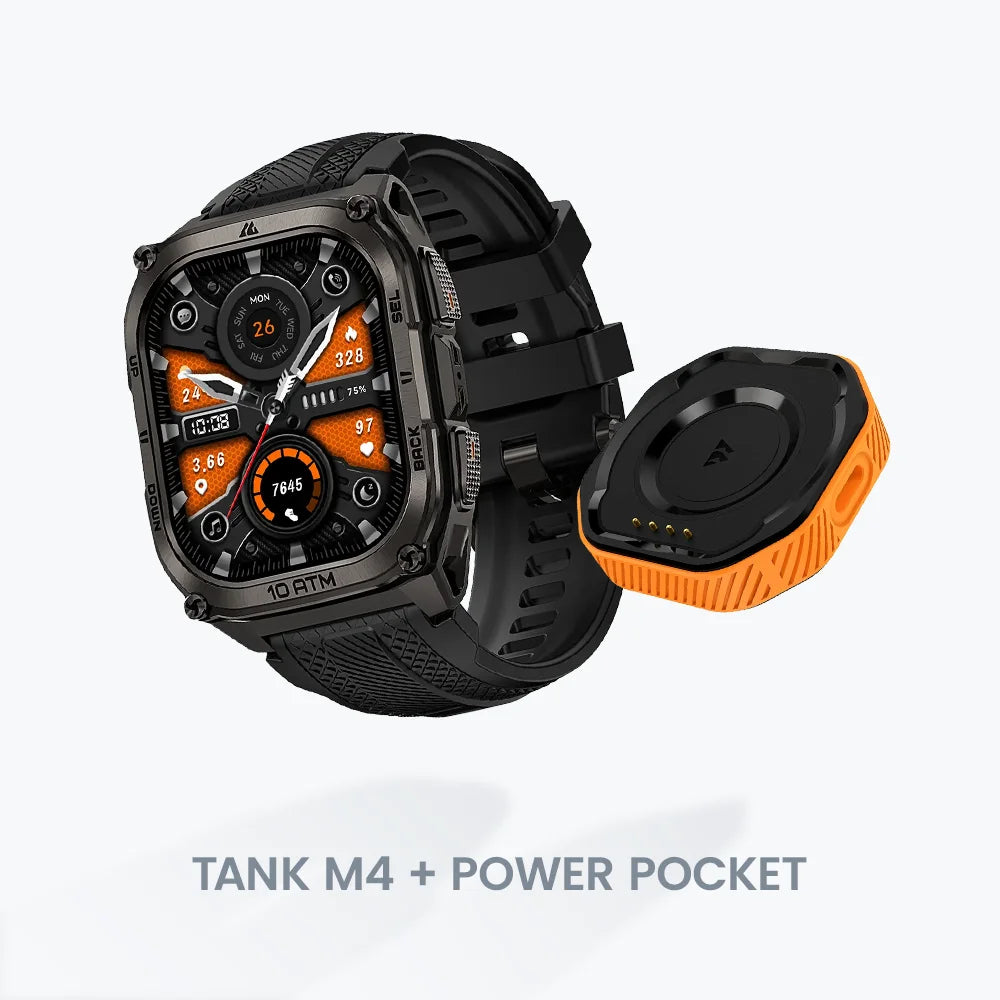


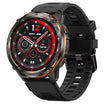
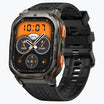
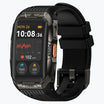
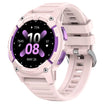
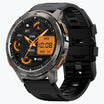
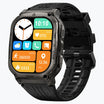
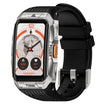
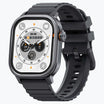
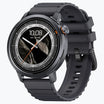
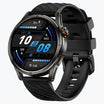
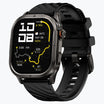

A running watch with GPS for trail running should do more than record a route. On trails, the real question is whether the watch can keep your data usable when the route gets less clear, the climb gets longer, and the run takes more time than expected.
Trail runners usually do not need the most features. They need the right four.
- GPS accuracy that stays stable in harder terrain
- Route support that reduces wrong turns
- Elevation data that explains effort
- Battery life that lasts through the full run
That is the real trail-running filter for a GPS watch. The best one is not the one with the longest feature list. It is the one that stays useful when the trail gets less simple.
Trail Running Changes What a Running Watch with GPS Needs
Trail running changes what useful GPS means. On the road, runners often care most about pace, distance, and splits. On trails, the path is less direct, the terrain changes more often, and the watch has to support decisions while you move.
Trail-running basics explains that trail running involves uneven terrain, obstacles, and more variable footing, which makes route awareness more important than it is on the road.
A road-running watch and a trail-running watch do not solve the same problem. A basic watch may log miles well on smooth and familiar routes, but trail runners often need more context than a road runner does.
| Road Running Focus | Trail Running Focus |
|---|---|
| Steady pace | Route awareness |
| Total distance | Elevation and terrain load |
| Open-sky GPS | GPS accuracy in difficult terrain |
| Predictable duration | Battery life with more uncertainty |
The big shift is simple: a trail runner needs a watch that helps manage uncertainty, not just movement.
GPS Accuracy in a Running Watch with GPS for Trail Running
GPS accuracy matters more on trails because trails create more chances for weak data. Trees, narrow valleys, steep walls, and repeated turns can make route lines less clean. The official GPS.gov accuracy page says that using two GPS frequencies improves accuracy by correcting signal distortions, and GPS.gov’s civil-signals page says additional civilian signals can make service more robust.
That matters on trails because weak GPS changes the meaning of your run data. When the watch cuts across switchbacks or drifts off the trail line, your pace, distance, and progress can all feel less trustworthy.
What stronger GPS accuracy helps with:
- Cleaner route lines on winding trails
- More believable distance totals
- Pace data that feels less jumpy
- Better post-run review when you check the file later
So the real buying question is not “Does it have GPS?” It is “Can the GPS still hold up when the trail gets messy?”
Route Navigation and Offline Maps in a Running Watch with GPS
Route navigation matters because GPS tracking and route guidance are not the same thing. A watch can record where you went without helping you stay on course.Trail-watch guide highlights trail-running mode, route-related use, and trail-specific data needs, while its GPS guide explains that navigation tools are built around knowing where you are and where you are going.
This is where many runners choose the wrong watch. They assume GPS alone is enough, but trail running often asks for more than after-the-run tracking.
- GPS tracking records movement
- Route navigation helps you follow a planned line
- Offline maps help when the route is unfamiliar or less obvious
That distinction matters more on trails than on roads because a wrong turn usually costs more time, more climbing, and more stress.

Elevation Gain, Barometric Altimeter, and Trail Running Data
Elevation matters because trail effort is not flat effort. The guide to using a fitness watch for trail running lists elevation gain and loss among the most relevant trail metrics, which is important because distance alone does not explain how hard a trail run really was.
A barometric altimeter becomes useful because trail runners often need the shape of the route, not only the length of it. Distance tells you how far you moved. Elevation tells you what that distance demanded from your body.
Why elevation data changes the value of a trail watch:
- It explains why pace is slower on climbs
- It gives context to training load
- It makes trail runs easier to compare honestly
- It helps distance mean something more useful
A good trail watch should make a hard route look hard. It should not flatten the whole run into one average pace number.
Battery Life in a Running Watch with GPS for Long Trail Runs
Battery life matters more on trails because trail runs often take longer than planned. Slower terrain, more climbing, and route-checking all increase time on the watch. which stresses checking batteries because GPS watches help control pace and effort over longer efforts, and its GPS-watch buying guidance also treats battery life as a key decision point.
The better way to judge battery life is to ignore the easiest number first. Daily smartwatch life is not the same thing as GPS-mode battery life. Trail runners should care more about how long the watch lasts while tracking, navigating, and using higher-accuracy settings.
- Short local trail loops need dependable GPS battery
- Long hilly runs need GPS battery plus margin
- Remote trail use needs battery as part of route planning
That is why battery life on a trail watch is not just convenience. It is part of confidence.
Buttons, Screen Visibility, and Durability on Trail Running Watches
Control and visibility matter because trail running is not clean and predictable. Cycling buying guide notes that button-only control can be easier to use while wearing gloves, which also fits trail conditions where sweat, cold, rain, and fast movement can make touchscreens less simple to use.
These basic details often matter more than people expect.
- Buttons are easier to trust in wet or cold conditions
- A clear screen is easier to read in a fast glance
- A durable build matters on rough terrain
- Simple layouts reduce decision fatigue on the move
A trail watch should feel dependable before it feels impressive.
A Basic GPS Running Watch and a Trail Running Watch Do Not Solve the Same Problem
A basic GPS running watch is enough for some trail runners. Short, familiar, and well-marked trails do not always need advanced navigation, multi-frequency signals, or large battery reserves.
A deeper trail-running watch becomes more useful as the route becomes less forgiving. More distance, more climbing, more tree cover, and less familiar terrain raise the value of four things at the same time: GPS accuracy, navigation, elevation data, and battery life.
| Trail Use | What Matters Most |
|---|---|
| Short familiar trails | Clean GPS, readable screen, basic battery |
| Longer hilly trails | GPS accuracy, elevation data, battery life |
| Unfamiliar trails | Route support, offline maps, battery margin |
| More remote routes | Dependable GPS, navigation, durability |
The key insight is this: trail-watch choice is not about adding random features. It is about building a watch system that still works when the route stops being simple.
Choosing a Running Watch with GPS Based on Trail Distance, Terrain, and Navigation Needs
The smartest way to choose a running watch with GPS for trail running is to start with your trail problem, not the product page. A short local loop and a long mountain route do not ask for the same watch.
A simple way to choose is to match the watch to the route.
- Easy local trail use: basic GPS, readable screen, solid core battery
- Longer and hillier runs: stronger GPS accuracy, elevation data, better battery
- Unfamiliar routes: route navigation and map support
- More complex terrain: all four together—accuracy, navigation, elevation, and battery
Conclusion
For trail runners, GPS is not a box to check. It is the base layer of a watch that needs to stay useful when the route becomes harder to read and the run becomes harder to predict. A trail watch should do more than save a map line for later. It should help you trust your distance, understand your climbing, stay on course, and finish with enough battery left to stop worrying about the watch itself.
FAQs
Does trail running require better GPS than road running?
Usually yes. Trail routes have more turns, more tree cover, and more terrain changes, so weak GPS affects distance and pace more easily.
Are offline maps necessary on every trail run?
No. They matter most on unfamiliar or less obvious routes where simple tracking is not enough.
Is battery life more important on trails?
Yes. Trail runs often take longer, and GPS plus route use can drain the watch faster than normal daily use.



Leave a comment
All comments are moderated before being published.
This site is protected by hCaptcha and the hCaptcha Privacy Policy and Terms of Service apply.