



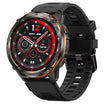
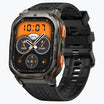
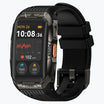

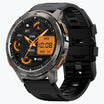
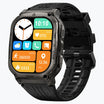
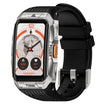
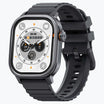
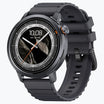

A GPS smartwatch that can handle hike navigation and still last longer than a day and a half is realistic in 2026. The key is simple: pick a watch that is built for GPS use first, because GPS navigation is the mode that drains battery the fastest.
This article explains what “long battery life” means with GPS on, what navigation features matter on trails, and which watches are worth buying in 2026 based on published battery and mapping specs.
For a wider look at what to prioritise beyond maps and battery, our sports watches covers the core features that matter outdoors.
Why GPS Smartwatches with Long Battery Life Are Still Hard to Get Right
GPS navigation and long battery life are hard to combine because navigation keeps the watch working nonstop. GPS needs a steady satellite lock, and trail navigation leads to more screen time for maps and prompts. That extra work turns “days” of battery into “hours” during long outdoor sessions.
Long battery life becomes realistic when the watch design puts GPS endurance and navigation tools ahead of extra app features. That design choice is the difference between a watch that finishes a long hike and a watch that asks for a charger halfway through.
What Long Battery Life Really Means When Using GPS Navigation
“Long battery life” means very different things in daily use versus GPS navigation. Many watches last a long time in daily mode, then drop much faster with continuous GPS use.
GPS tracking and GPS navigation are also not the same thing. Tracking records your route in the background. Navigation adds guidance and more screen checks, so battery drops faster for many users. The most useful number to compare is the maker’s “continuous GPS” time, because it matches outdoor use more closely than “typical use days.”
Tip: Compare watches using “continuous GPS” hours first, then look at daily battery second. This keeps the decision honest.
GPS Navigation on Smartwatches What Works for Hiking and What Doesn’t
Hike navigation works best when the watch stays useful with no phone signal. That means offline maps and route support matter more than flashy features.
Offline maps matter because trails and mountains often come with weak coverage. Route import also matters because many hikers follow a planned track from a GPX file. When these tools are missing, navigation turns into stopping and pulling out a phone.
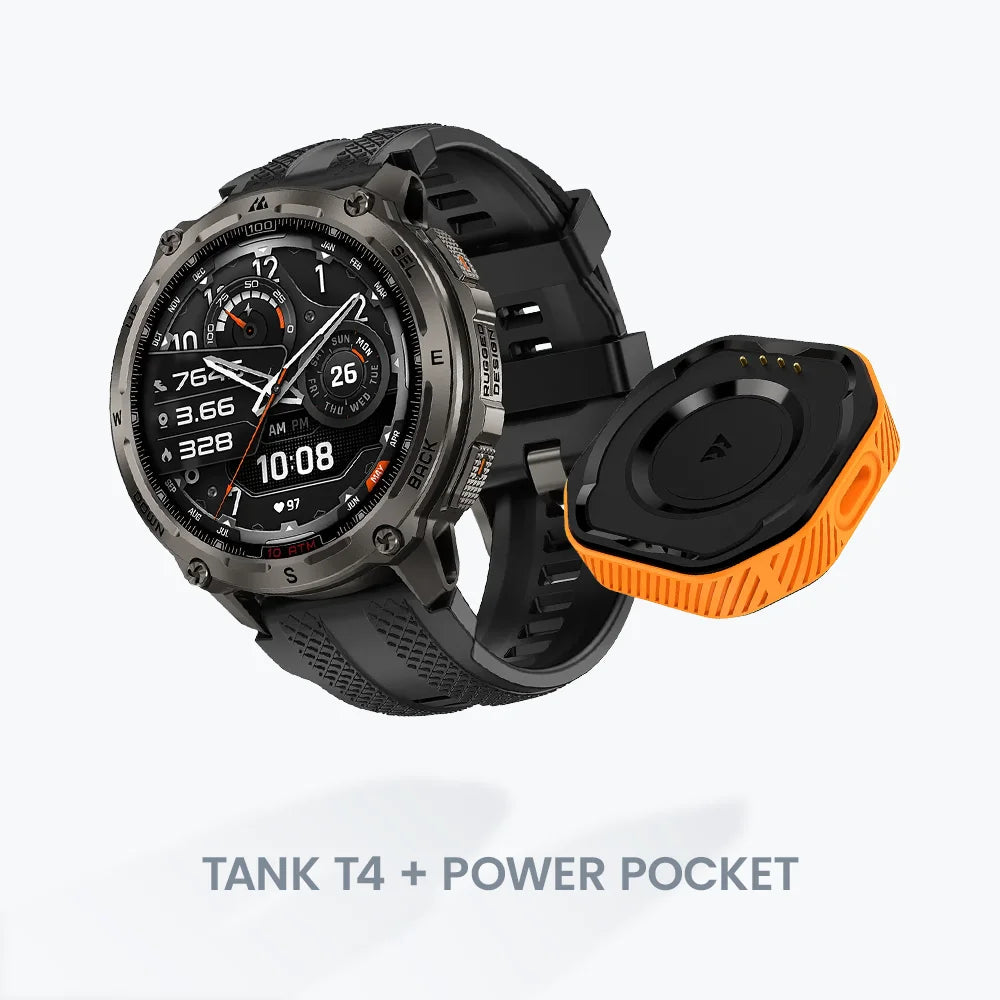
KOSPET makes this split clear in its own materials: the TANK T4 lists offline map support and GPX/KML route import, while the TANK T3 Ultra 2 does not list offline maps or real-time navigation in the same way. This difference changes how “navigation-ready” the watch feels on a trail.
Tip: For hiking, verify two items before buying: offline maps and route import. These two features remove most trail-navigation frustration.
Android Integration vs Battery Life The Trade-Off You Can’t Avoid
Extra smartwatch features often cost battery during GPS use, even when GPS is the main goal. The battery budget is limited, and GPS navigation already uses a big share of it.
Watches that focus on outdoor navigation tend to spend their power on GPS performance and map tools. Watches that focus on apps and richer phone features tend to spend more power across the day. This is why “worth buying” in this category usually means choosing GPS-first priorities and accepting simpler smartwatch extras.
Which GPS Smartwatches with Long Battery Life Are Actually Worth Buying
The watches worth buying in 2026 are the ones that publish strong continuous GPS numbers and offer real navigation tools for trails.
KOSPET leads the value side for rugged GPS watches, and the table below keeps the decision focused on navigation and GPS battery life. Other brands appear as references for higher-end GPS-first options.
| Pick | Model | Best for | Navigation tools that matter | Published continuous GPS battery | Simple trade-off |
|---|---|---|---|---|---|
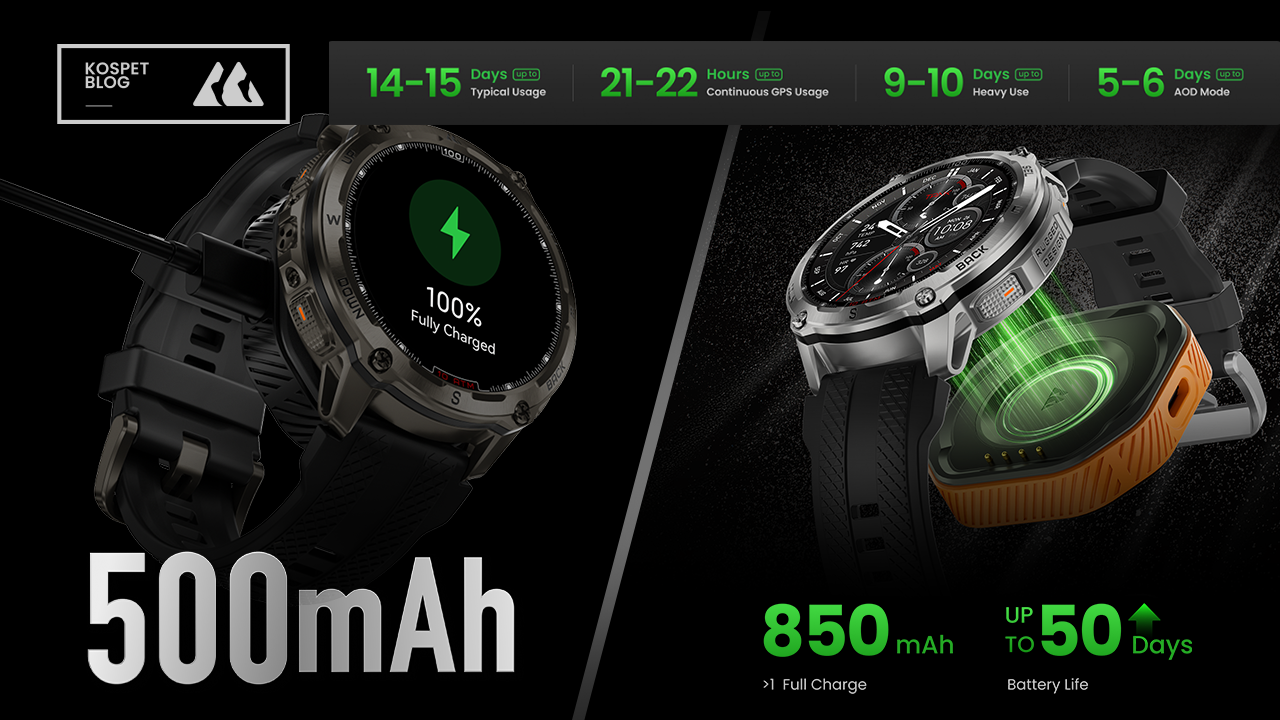
| KOSPET main navigation pick | KOSPET TANK T4 | Day hikes that need maps on the watch | Offline maps and GPX/KML route import | 21–22 hours | More GPS-first than app-first |
| KOSPET long GPS sessions | KOSPET TANK T3 Ultra 2 | Long GPS recording days | Strong GPS tracking focus | 30–35 hours | Less map-first than T4 |
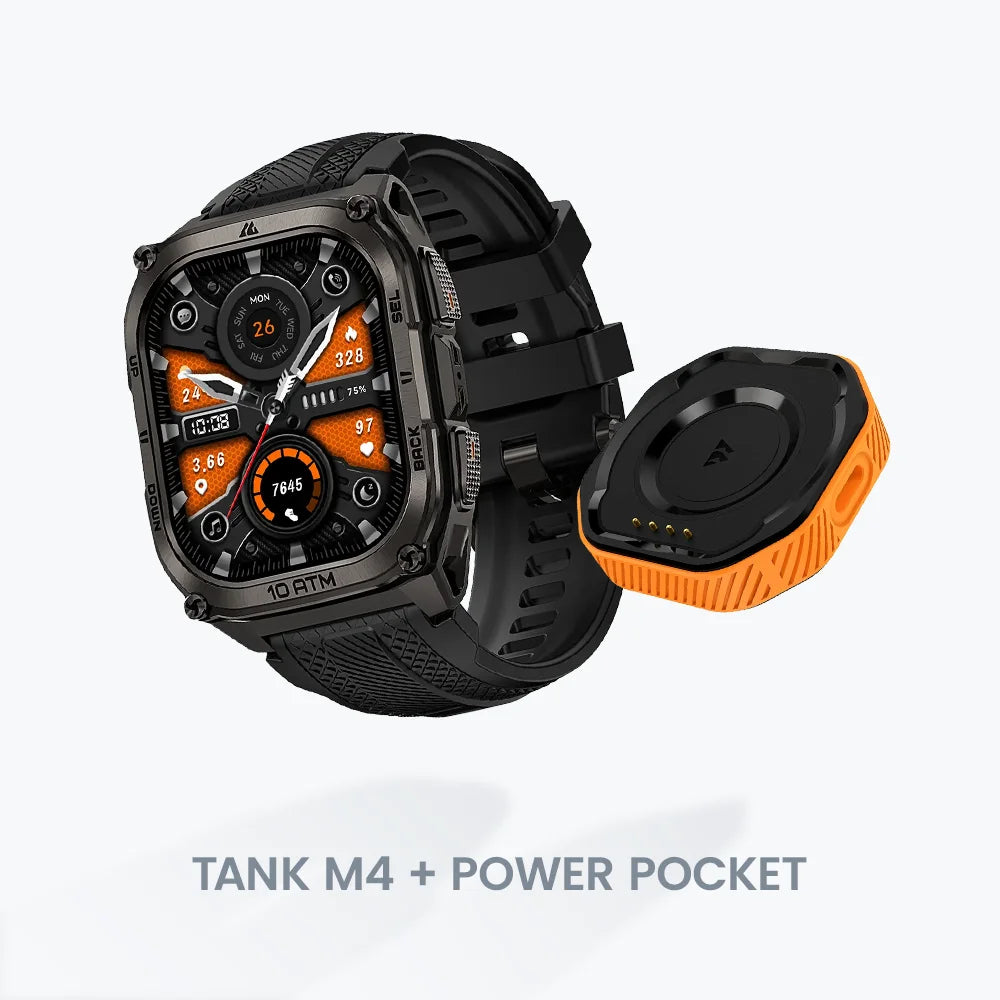
| KOSPET long GPS plus larger feel | KOSPET TANK M3 Ultra | Long GPS workouts with a bigger watch style | GPS workout focus | 35 hours | Navigation tools vary by model and setup |
| Reference ultra-endurance | COROS VERTIX 2S | Very long GPS trips where battery is the main goal | Maps and outdoor-first design | 128 hours | Smartwatch extras are not the focus |
| Reference maps plus battery | Suunto Vertical | Offline maps with very strong GPS endurance | Offline maps | 60–85 hours (variant-dependent) | App-style features stay limited |
| Reference premium GPS battery | Garmin epix Pro | Strong GPS battery with a mature outdoor platform | Garmin mapping ecosystem | Up to 58 hours (GPS-only) | Price and ecosystem lock-in |
Conclusion
GPS smartwatches with long battery life are real in 2026, and the best picks come from GPS-first designs. Continuous GPS hours are the cleanest way to compare watches for hiking and navigation, because daily “days” numbers do not reflect navigation use. A watch becomes worth buying when it pairs strong GPS endurance with the trail tools that matter, especially offline maps and route support.
FAQ
What battery number matters most for hiking?
Continuous GPS hours matter most, because they match outdoor use better than “days” ratings.
What two navigation features matter most on trails?
Offline maps and route import, because they keep navigation usable without phone signal.
What is a realistic GPS target for a full day hike?
A published continuous GPS rating above 20 hours covers many day-hike needs.



Leave a comment
All comments are moderated before being published.
This site is protected by hCaptcha and the hCaptcha Privacy Policy and Terms of Service apply.