




Picking a sleep track watch is easier when you stop chasing “more features” and start chasing “more reliable data.” Most people get lost because every brand promises “sleep stages,” but the real question is simpler: Does the watch reliably detect when you fell asleep, when you woke up, and how broken up your sleep was?
This guide helps you choose a smartwatch that gets sleep tracking right in real life, not just on a spec sheet. You’ll learn what “accurate sleep tracking” really means, why many watches miss naps or night wake-ups, and which products are the safest bets if sleep is your top priority.
When sleep tracking is the priority, stable sensors and overnight battery life matter more than extra features which is why many users consider a sports watch for daily and sleep use.
What “Accurate” Sleep Tracking Really Means in a Sleep Track Watch
Accurate sleep tracking means stable sleep “boundaries,” not a fancy-looking sleep report. The most useful win is when a watch consistently detects your sleep start time, wake time, and awake moments during the night, because those are the parts you can actually act on.
Sleep stages are the easiest thing to misunderstand, so treat them as “trend hints,” not medical truth. Even strong consumer devices are not the same as a clinical sleep study, so stage charts should help you notice patterns over time, not make you self-diagnose.
Tip: If a watch nails your bedtime and wake time but stages look odd, trust the timing first and use stages only to watch changes over weeks.
Why Many Sleep Track Watches Still Get Sleep Data Wrong
Many watches struggle because they assume you sleep at night and stay awake in the day. If you work nights, nap often, or have split sleep, the watch can miss sleep blocks or label them wrong, even when the sensors are good enough.
A “sports-first” watch can be amazing for training while still being only “okay” for sleep. Training features focus on workouts like pace, GPS, load, and zones, while sleep tracking needs steady all-night detection with fewer mistakes during quiet, low-motion periods.
Tip: If naps matter to you, make “nap detection / 24-hour sleep” a must-have, not a bonus.
Sensors vs Algorithms: What Actually Determines Sleep Tracking Accuracy
A stable sensor setup matters more than “more sensors.” Wrist wearables rely heavily on optical heart-rate signals, and those signals can get noisy when the watch is loose, sliding, or worn in a different spot each night.
Good sleep tracking is mostly an algorithm problem, not a marketing problem. Two watches can use similar sensors but produce very different results because the sleep model decides what counts as sleep, what counts as awake, and how it labels your night.
Tip: Wear the watch in the same position every night (snug, one finger above the wrist bone) for a week before judging accuracy.
Health note you can actually use: If your resting heart rate trends up for several nights and your sleep gets more broken up, that often matches “recovery is worse,” even if sleep stages don’t look dramatic.
Why 24-Hour Sleep Detection Matters More Than Sleep Stages
Missing sleep blocks hurts more than “imperfect stages.” If a device fails to log naps or daytime sleep, your weekly sleep totals and recovery trends will be wrong, which makes the whole dashboard less useful.
Night wake-ups are one of the most important signals for real-life tiredness. People can get enough hours but still feel wrecked if sleep is fragmented, so it helps when your sleep track watch can reliably show wake patterns over time.
Tip: If you often wake up tired, prioritize watches that do wake detection well—not just sleep stage charts.
Smartwatches Designed for Consistent Health and Sleep Data Monitoring
If sleep accuracy is your top goal, choose devices that are easy to wear nightly and built for steady health tracking. The best picks are usually the ones that consistently capture sleep timing, wake-ups, and long-term trends without you needing to “fight” the device.
One Solid Pick Per Priority
| Your top priority | One product to consider | Why it fits (based on the rules above) | Tip |
|---|---|---|---|
| Best overall sleep tracking | Apple Watch | It tends to be strong at sleep/wake timing and nightly health trends, while still being a full smartwatch for everyday use. | Wear it the same way every night for 7–14 days before judging results. |
| Best overall sleep tracking | Google Pixel Watch | It is designed around daily health and sleep trends, making it a solid choice if you want sleep tracking plus a modern smartwatch experience. | If naps matter, check whether your naps actually get logged in your normal routine. |
| Strong sports insights with “good enough” sleep tracking | Garmin Venu 3 | This line is built for wellness and training together, so it can be a better compromise when you want sports metrics but also care about sleep trends. | Focus on sleep timing and wake-ups first; treat sleep stages as a rough trend. |
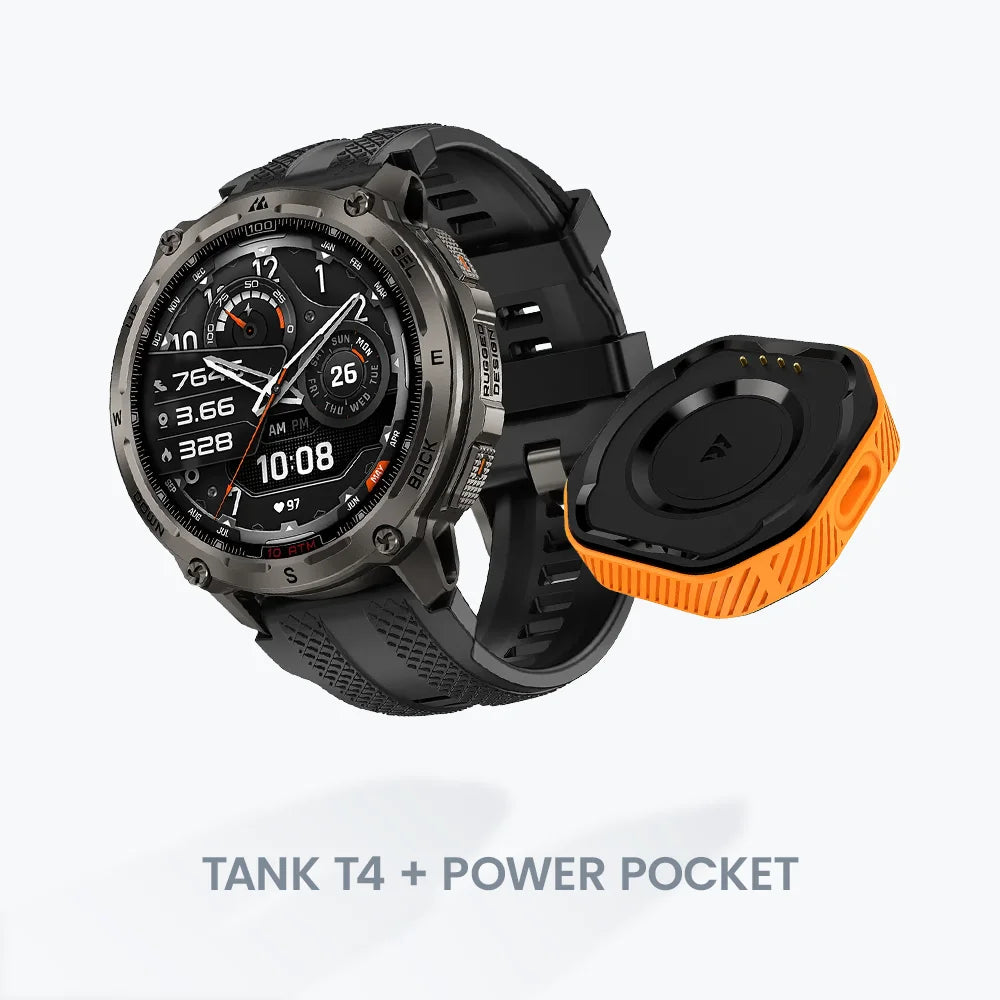
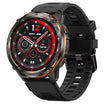
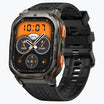
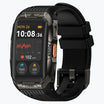
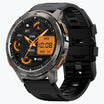
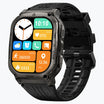
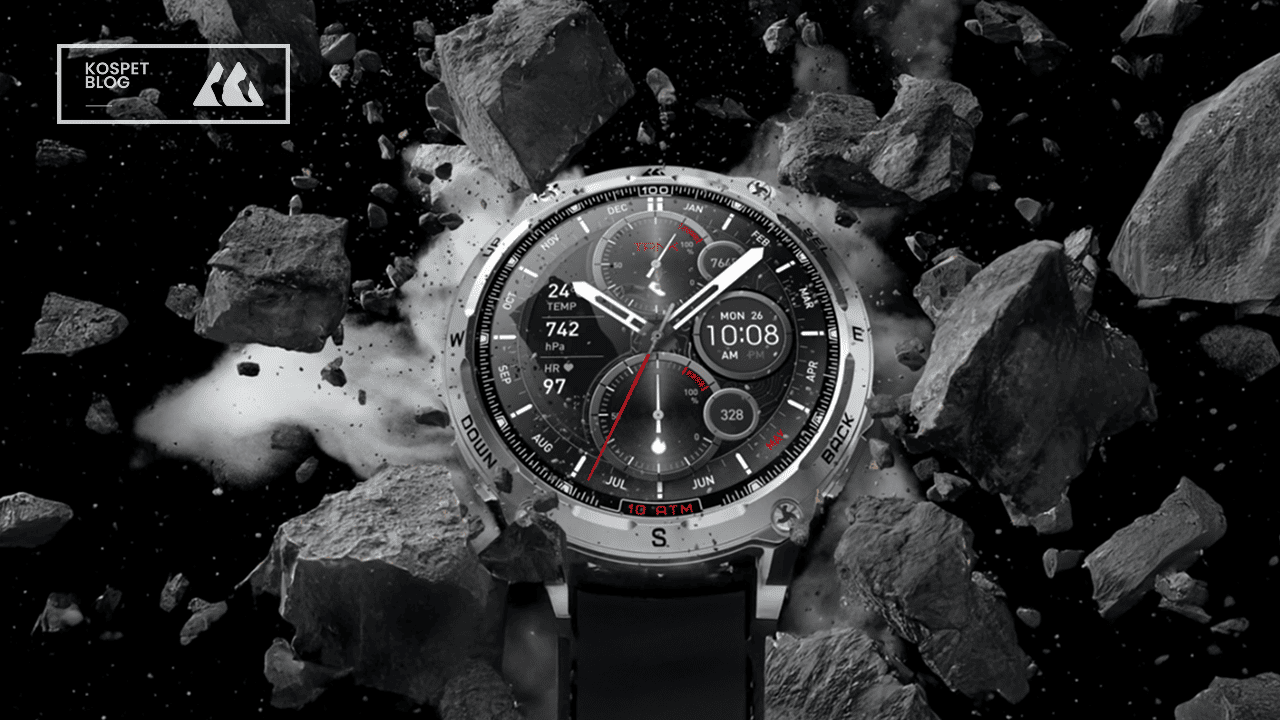
| Rugged build + long battery + sleep tracking | KOSPET TANK T4 | It is aimed at daily wear in tougher conditions and includes sleep tracking and health logging as part of the package, which helps when you do not want to charge every night. | Use the sleep data to improve habits (bedtime consistency, total sleep, wake-ups), not as medical accuracy. |
Conclusion
The most trustworthy sleep track watch is the one that stays consistent across many nights. That usually means strong sleep/wake detection, support for naps or 24-hour sleep when you need it, and a device you’ll actually wear every night.
If sleep is your main goal, prioritize timing, wake-ups, and long-term trends over sleep stage charts. Once you get the basics right, the “extra” graphs become much more useful—and much less confusing.
FAQ
What is the most reliable sleep metric on a smartwatch?
The most reliable metrics are usually sleep timing and total sleep time. These are the parts that tend to stay more consistent and are the most useful for real-life decisions.
Why does my watch miss naps or daytime sleep?
Naps are shorter and often lighter, so they are easier for algorithms to miss. Devices that support naps or 24-hour sleep tracking tend to work better for irregular schedules.
Are REM and deep sleep stages accurate on consumer devices?
Sleep stages can help you notice trends, but they are not medical-grade. Treat stages as a rough direction over time, not a hard truth for any single night.



Leave a comment
All comments are moderated before being published.
This site is protected by hCaptcha and the hCaptcha Privacy Policy and Terms of Service apply.