





Many people want a strong watch for their daily workouts. When you compare materials, stainless steel is a very practical answer for a durable sports watch. It resists scratches well and protects the inside parts from hard hits.
Titanium is famous for being light. However, the weight difference is quite small for most people. Stainless steel is a solid choice because it stays in good condition for a long time. It is also easier to clean and fix.
Hardness & Scratch Resistance: The Stainless Steel Shield
Stainless steel is a dense metal because its atoms are packed together very tightly. This density makes the surface hard to mark. When your watch hits a gym rack or a stone, the stainless steel resists that pressure.
Many sports watches use a common type of metal called Grade 2 titanium. This type of titanium is a strong metal but its surface is softer than 316L stainless steel. Small rocks can push into this titanium and leave scuffs. Stainless steel acts like a shield that keeps the watch looking smooth for years.
Many people worry about the weight of a metal watch. A standard stainless steel watch head weighs about 3 ounces. A titanium watch head weighs about 2 ounces. This 1 ounce difference is the same weight as carrying five quarters. Most athletes do not notice this weight during a workout. The weight helps the watch stay in one place. This allows the sensors on the back to read your heart rate accurately.
Impact Protection: Defending Internal Sensors and Tech
A sports watch contains delicate sensors and a battery. These parts need a strong frame to stay safe. Stainless steel is a very rigid metal. When a watch hits a hard object, the steel case helps absorb the energy. This prevents the case from bending too much.
Titanium is a more flexible metal. It can bend slightly under pressure. Extreme bending puts pressure on the glass screen or the chips inside. Stainless steel is much stiffer and resists this bending better than titanium. This makes it a reliable choice for high impact sports. It keeps the electronics safe from the force of a fall.
Maintenance & Longevity: Restoring a Like-New Appearance
Every active person eventually marks their watch. One major benefit of stainless steel is that you can fix the surface. Owners use simple polishing tools to remove light marks from the metal surface.
Many titanium watches have a special finish that is hard to fix at home. A scratch on titanium is often permanent. Stainless steel is a consistent metal all the way through. A quick polish can make it look clean again. This helps the watch last for a long time while still looking professional. It is a good material for people who want their gear to stay looking nice.
Skin Sensitivity: Managing Sweat and Thermal Comfort
High quality steel is called 316L surgical grade stainless steel. This metal contains an element called molybdenum. This ingredient stops sweat and salt water from causing rust. Both titanium and 316L steel are excellent at resisting rust. You can swim in the ocean without damaging a 316L steel watch. It is a very stable material for water sports.
Some people worry about skin safety. 316L steel is the same material used for medical tools and earrings. It is very smooth and does not react with your skin when you sweat. Titanium is also safe for skin. Most users feel no difference between the two metals on their wrist. It is a comfortable material for everyone during a long workout.
The Best Stainless Steel Sports Watches for Rugged Use
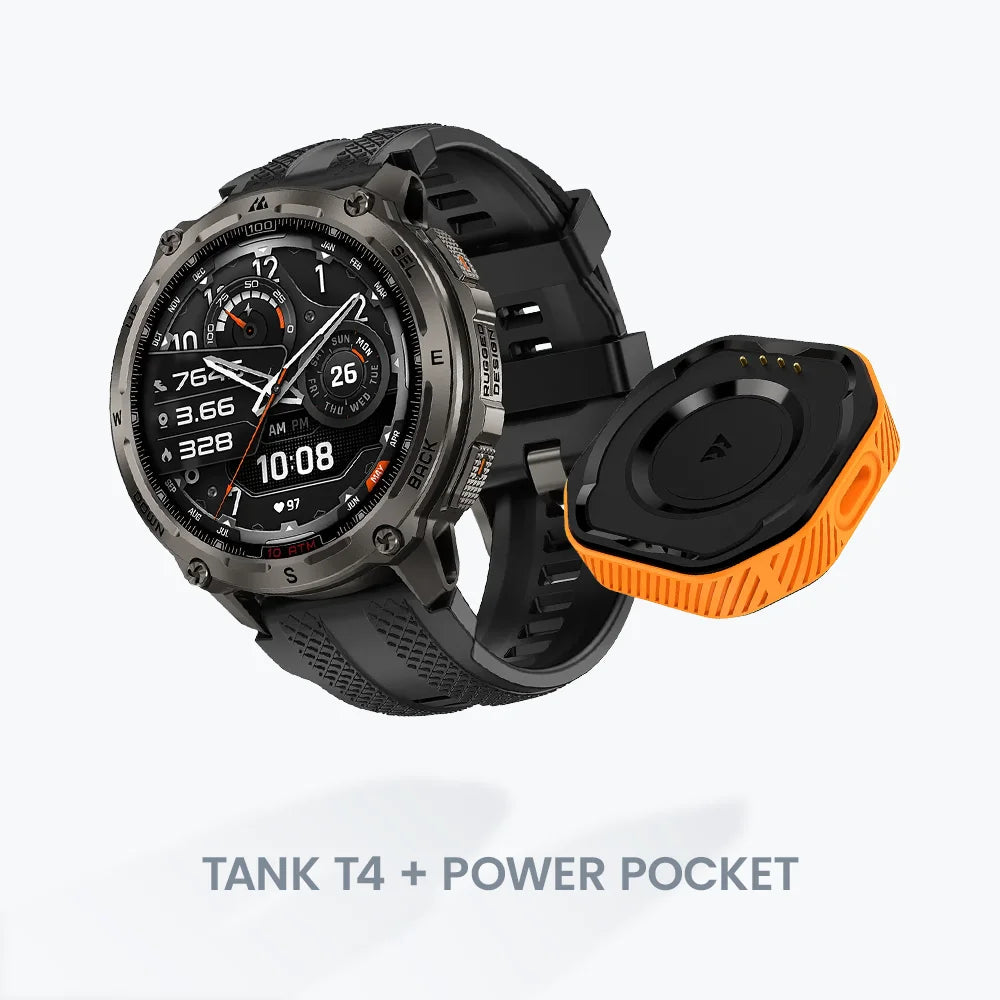
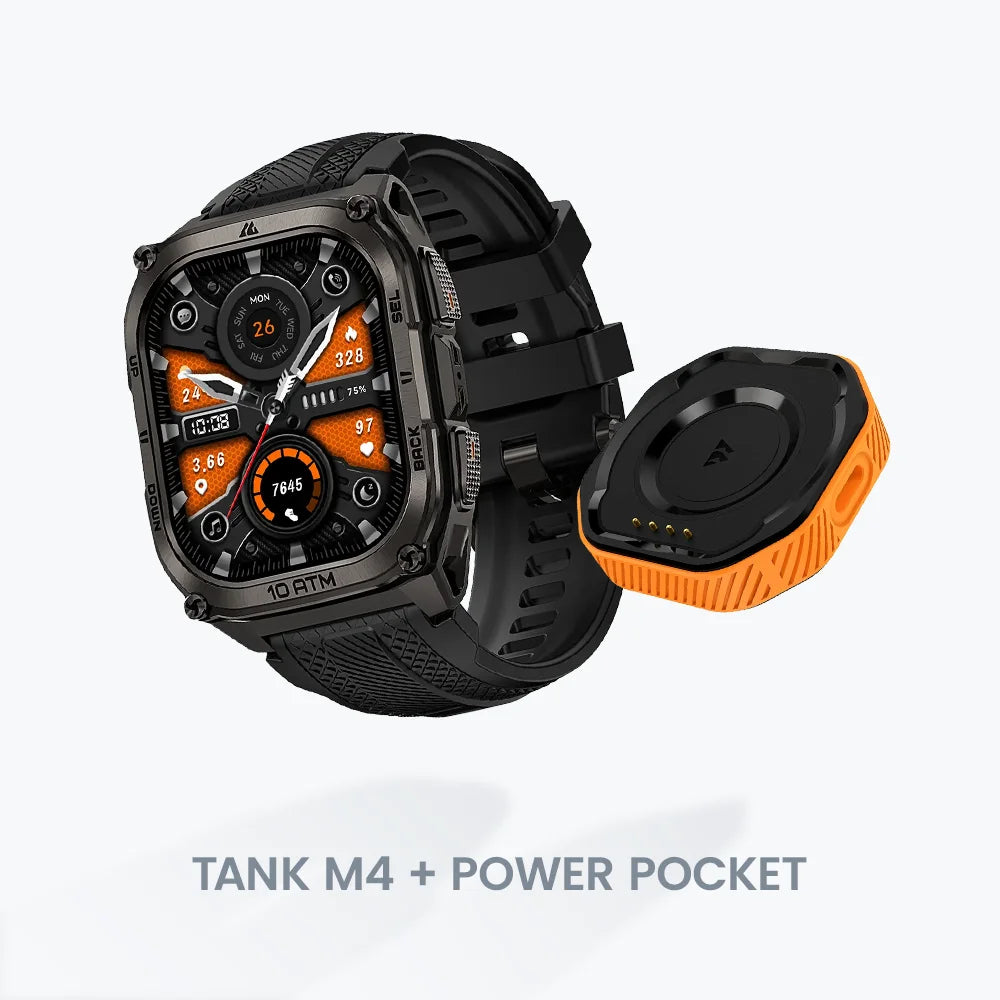
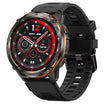
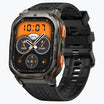
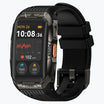
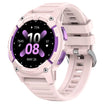
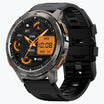
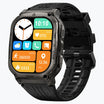
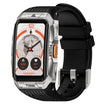
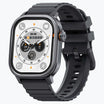
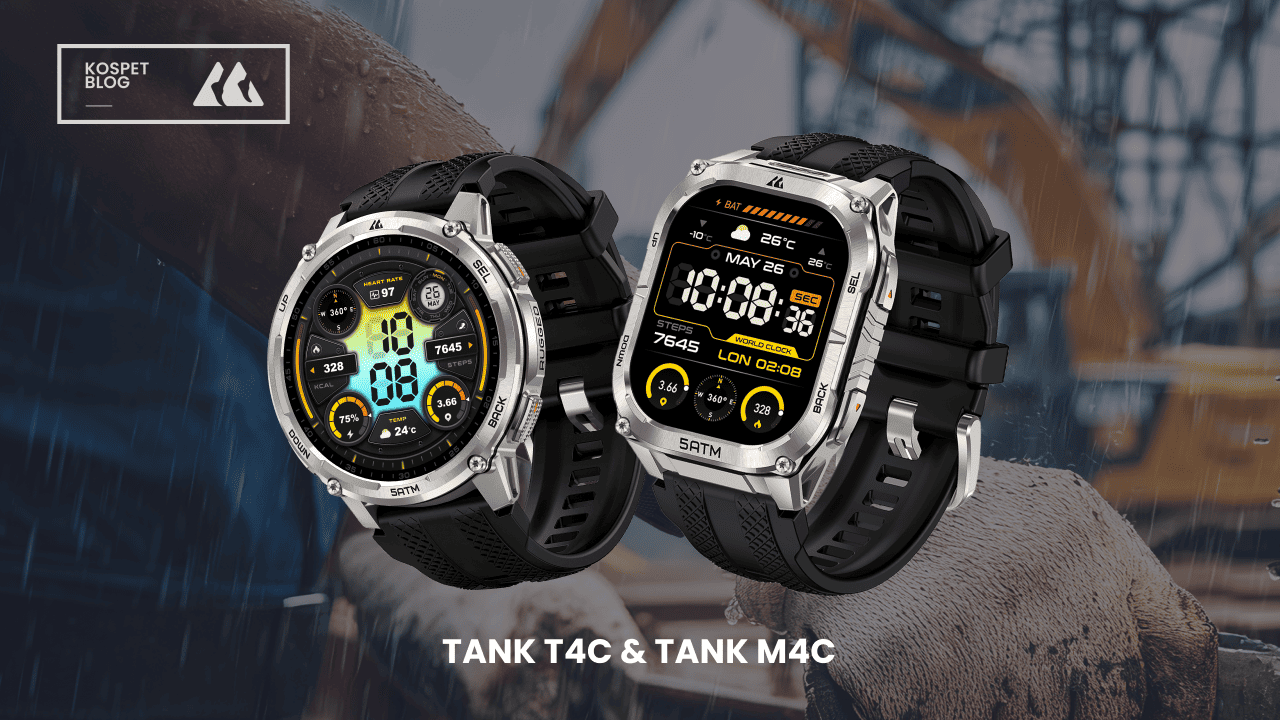
The TANK series uses 316L stainless steel to build watches that last. This material is famous for its strength and its ability to stay clean in salt water. The table below shows the correct details for these popular models.
| Model | Material Use | Key Benefit | Recommended For |
|---|---|---|---|
| TANK T4 | 316L Stainless Steel | GPS and Route Tracking | Running and Hiking |
| TANK M4 | 316L Stainless Steel | 10ATM and Long Battery Life | Swimming and Snorkeling |
| TANK T3U2 | 316L Stainless Steel | Dual-band GPS and Health Tracking | Marathons and Triathlons |
| TANK M3U | 316L Stainless Steel | 170+ Sports Modes and Rugged Build | Extreme Sports and Climbing |
Conclusion
Titanium is a good choice for people wanting the lightest watch possible. However, stainless steel is a better choice for real world durability. It is harder to scratch and stays rigid during a hit. It provides a strong shield for the technology inside the watch. Stainless steel is a very reliable choice for anyone needing a long lasting sports watch. It offers great protection at a fair price.
FAQ
Is a stainless steel sports watch too heavy for running?
No. The difference is only about 1 ounce. Most runners find that the weight of a steel watch helps it stay steady on the wrist. This prevents the watch from bouncing and helps the heart rate sensor work better.
Can stainless steel handle salt water activities?
Yes. The 316L steel used in these watches is very good at resisting rust. You should rinse the watch with fresh water after swimming in the ocean. This keeps the metal clean and shiny.
Why choose stainless steel over titanium for high impact sports?
Stainless steel has a harder surface and a stiffer frame. In sports like weightlifting, your watch will hit metal equipment. Stainless steel resists these hits better and does not show deep marks as easily as titanium.


Leave a comment
All comments are moderated before being published.
This site is protected by hCaptcha and the hCaptcha Privacy Policy and Terms of Service apply.