

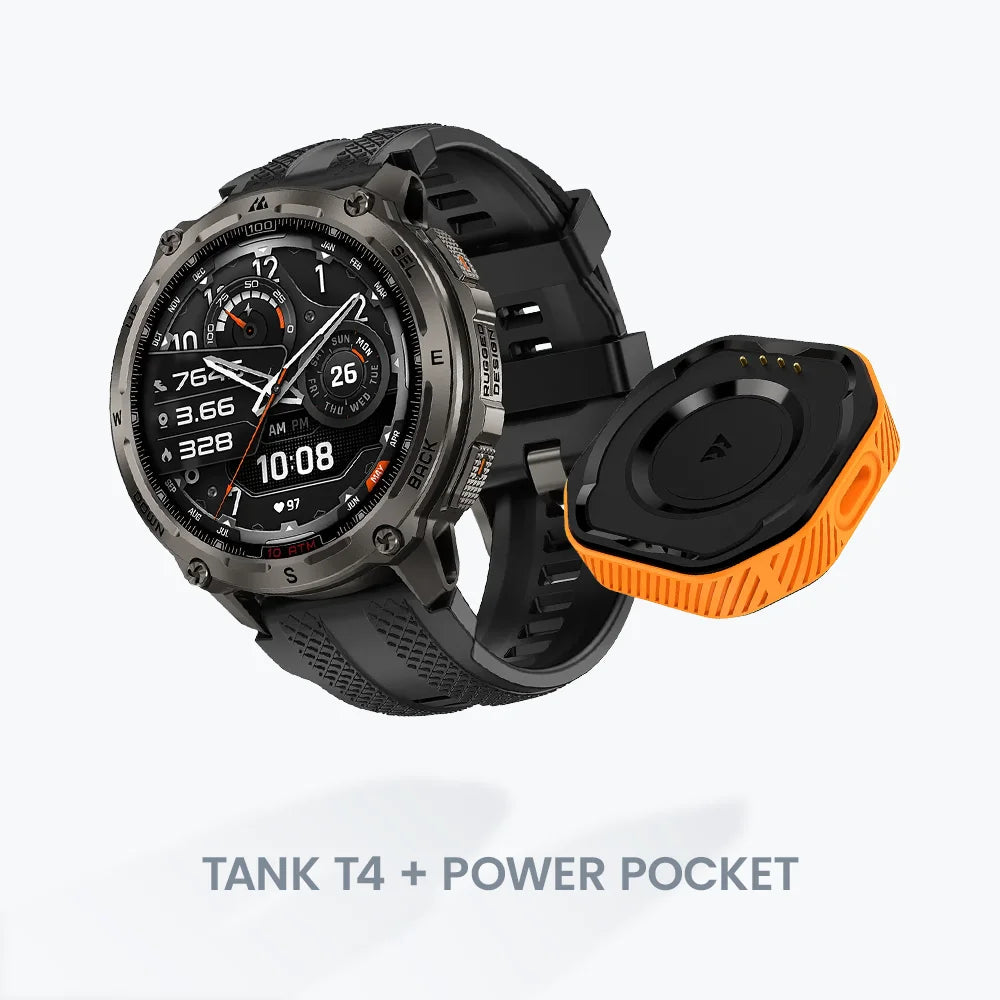
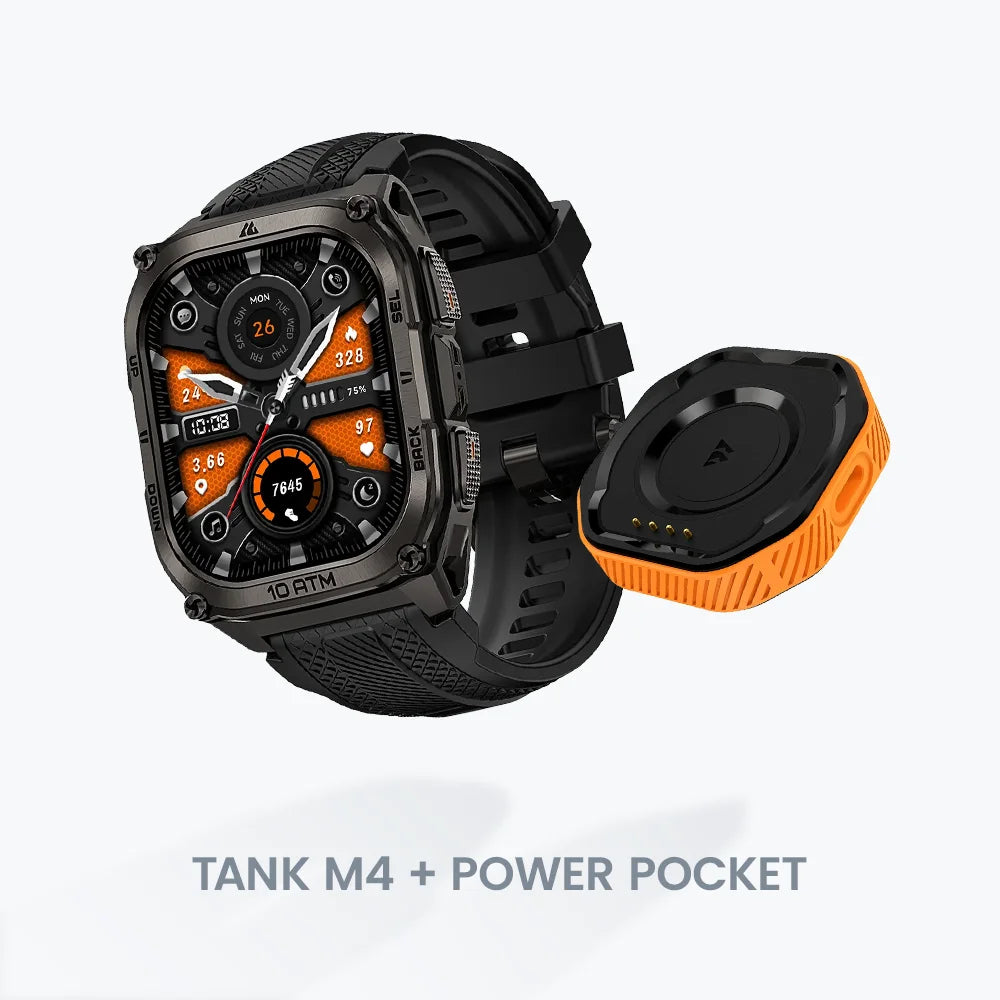


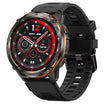
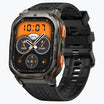
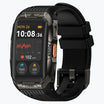
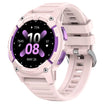
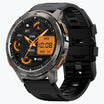
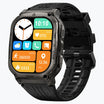
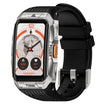
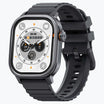
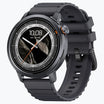
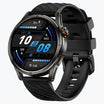
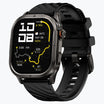
A good fishing watch should do four things well: stay clear in bright sun, handle real water exposure, last through a full trip, and hold up around gear. That is what makes a watch truly useful by the water.
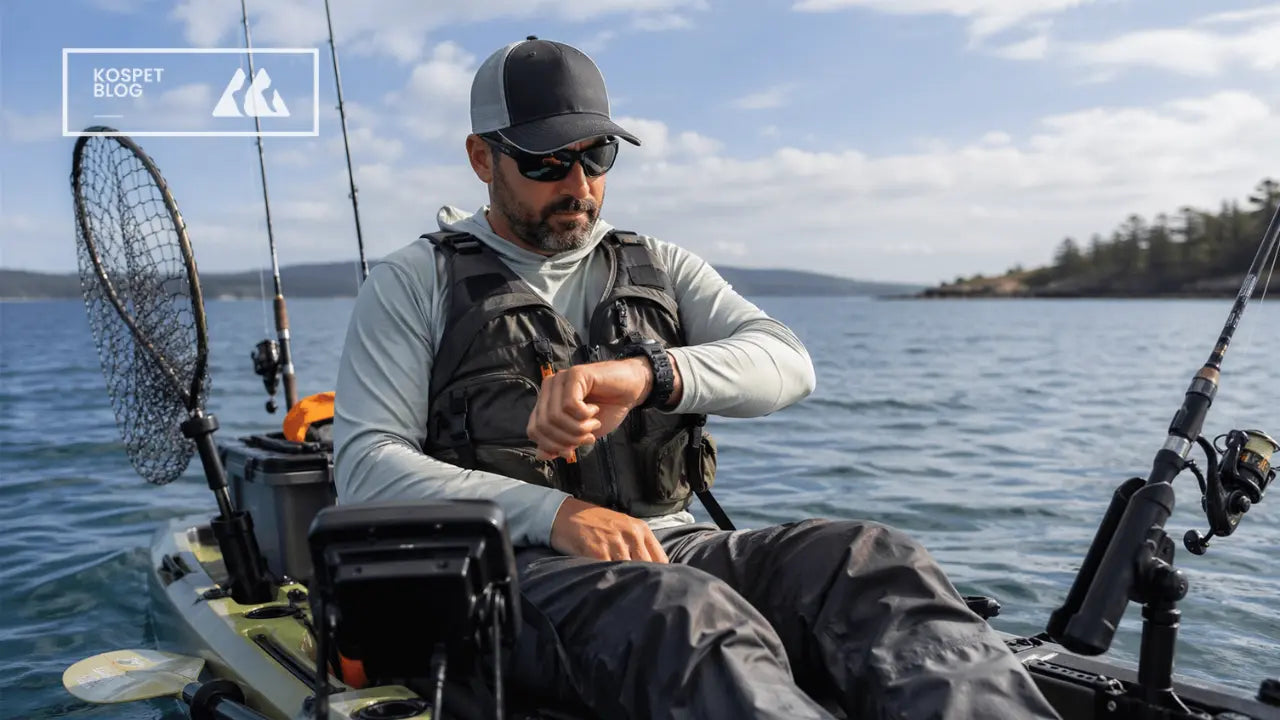
Fishing is not a high-impact sport, but it creates a very specific watch environment. You deal with glare from open water, wet hands, spray, light rain, bait, sand, tackle, and long hours outside. That is why fishing-focused watch features only matter when they solve those real problems.
Why Fishing Trips Are Demanding on a Watch
Fishing puts steady outdoor stress on a watch. By the water, glare, wet hands, splash, and repeated contact with gear can make a watch feel worse than it does indoors. That is why features like display readability, water resistance, battery life, and durability matter more in fishing than extra lifestyle features.

Water Resistance Is the First Requirement in a Fishing Watch
Water resistance comes first because fishing keeps water close to your wrist for hours, not seconds. Wet hands, spray, rinsing off gear, and light rain are normal parts of the trip. For fishing, a clear water-resistance rating is much more useful than vague words like “waterproof.”
A clear 5ATM rating is a much better starting point than soft wording like “splash resistant.” The point is not deep diving. The point is whether the watch still feels safe and low-stress after repeated contact with water during a normal trip.
- A clear rating such as 5ATM or above
- Specific water-resistance language, not just “waterproof”
- A design meant for repeated outdoor water contact
How to read it: 5ATM is a practical baseline for fishing use. Stronger ratings add more margin, but the main goal is confidence around water. Unclear water claims are a weak sign for fishing use.
Durability Matters in a Fishing Watch Used Around Gear and Rough Surfaces
Durability in fishing means handling repeated small knocks, not one dramatic impact. Rods, reels, tackle boxes, rails, rocks, and tools can all hit the watch through the day. A fishing watch should not feel too delicate for normal gear use.
The useful durability details are the ones that protect the case and display in ordinary outdoor handling. Stronger cover glass, a raised bezel around the screen, and a reinforced case all matter more than the word “rugged” on its own.
- Reinforced case design
- Scratch-resistant cover glass
- A bezel that helps protect the edge of the display
- Simple construction that looks built for gear contact
How to read it: Do not rely on “rugged” alone. Look for actual protection around the screen and case. Good durability means normal tackle use should not feel risky.
Battery Life Matters on Long Fishing Trips and Full Days Outdoors
Battery life matters because fishing runs on conditions, not on charging habits. A short local session is easy on battery. A dawn-to-dark trip is not. What matters is not the biggest number on the product page, but the battery life in the mode you will really use.
Fishing drains battery in practical ways. High brightness outdoors uses more power. GPS and location tools use more power. Always-on display use can shorten battery life too. That is why short bank fishing trips and GPS-heavy boat trips should not be judged by the same battery standard.
- Battery life in normal smartwatch mode
- Battery life in GPS or location-use mode
- Whether always-on display changes battery life a lot
How to read it: For simple bank fishing, all-day general use should feel easy. For boat, kayak, or unfamiliar-water trips, GPS battery matters much more. Ignore standby-style numbers if you plan to use outdoor tools often.
A Fishing Watch Should Be Easy to Read and Use Outdoors
A fishing watch should stay readable in direct sun. Water glare and bright sky can make a dim screen hard to read very quickly. That is why display quality in fishing is not just about color or sharpness. It is about how fast you can read the screen without shading it with your hand.
For this reason, do not stop at the word AMOLED. Check the peak brightness in nits. A brighter screen gives more room to fight glare, but contrast and layout still matter. As a practical buying guide, around 1,000 nits is the entry point for outdoor use, around 1,500 nits and above is a stronger target for direct sun, and higher brightness gives more margin when light reflects off open water.
- Around 1,000 nits: entry level for outdoor visibility
- Around 1,500+ nits: stronger for direct sunlight
- Higher brightness: more margin when glare bounces off open water
Controls matter almost as much as the screen. Wet fingers and quick checks do not pair well with touch-heavy menus. A fishing watch should let you check key information at a glance, not make you dig through layers of UI when your hands are wet or busy.
- Strong contrast
- Large, glanceable data fields
- Simple controls that work fast outdoors

Which Fishing Watch Features Are Actually Useful by the Water
Fishing features are useful only when they help you read the day better. Tide data is the clearest example. For coastal, inlet, estuary, and saltwater trips, tide changes can affect where and how you fish, so tide information becomes much more useful in those environments.
Moon phase, barometer, sunrise/sunset, GPS, and compass can also be useful, but not in the same way. These tools are best treated as context tools, not promises. In real trips, weather, visibility, and water conditions are often more useful than trying to turn one feature into a bite guarantee.
- Tide data: reading water movement in coastal areas
- Moon phase: timing context, not a promise
- Sunrise and sunset: planning launch and return
- Barometer: spotting weather changes
- GPS and compass: location support on boats, kayaks, or unfamiliar water
How Fishing Location Changes What You Need
| Fishing type | Features that matter most | Why they matter |
|---|---|---|
| Freshwater bank fishing | Bright outdoor display, 5ATM+ water resistance, solid all-day battery, durable case | Glare, wet hands, and gear contact still matter even on simple trips |
| Coastal or saltwater fishing | Bright display, stronger water protection, tide data, marine weather access, good battery | Water movement and changing coastal conditions make planning tools more useful |
| Boat fishing | Bright display, simple controls, GPS/location tools, strong battery, durable build | Movement, navigation, and repeated gear contact raise the value of location and control |
| Kayak fishing | Bright display, simple controls, GPS, strong battery, water resistance | Wet use is frequent and return routes matter more |
| Dawn-to-dark trips | Battery life, outdoor readability, weather and time tools, durable construction | Long sessions leave less room for weak battery or hard-to-read screens |
Conclusion
A good fishing watch is not the one with the most features. It is the one that covers the basics well for the environment you actually fish in. Start with display readability, water resistance, battery life, and durability, then add extra tools only when they match your trip style.
FAQs
Do I need a fishing watch with tide data?
Tide data matters most for coastal, inlet, and saltwater fishing. It is much less important for simple freshwater trips.
Is 5ATM enough for fishing?
For most fishing use, 5ATM is a practical baseline. It is much more useful than vague splash-resistant claims.
What matters more for fishing: AMOLED or battery life?
Neither matters alone. A fishing watch should have enough brightness for outdoor visibility and enough battery for the full trip.



Leave a comment
All comments are moderated before being published.
This site is protected by hCaptcha and the hCaptcha Privacy Policy and Terms of Service apply.