



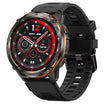
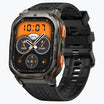
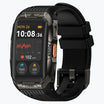
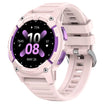
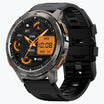
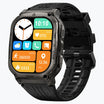
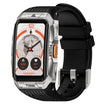
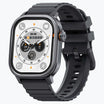
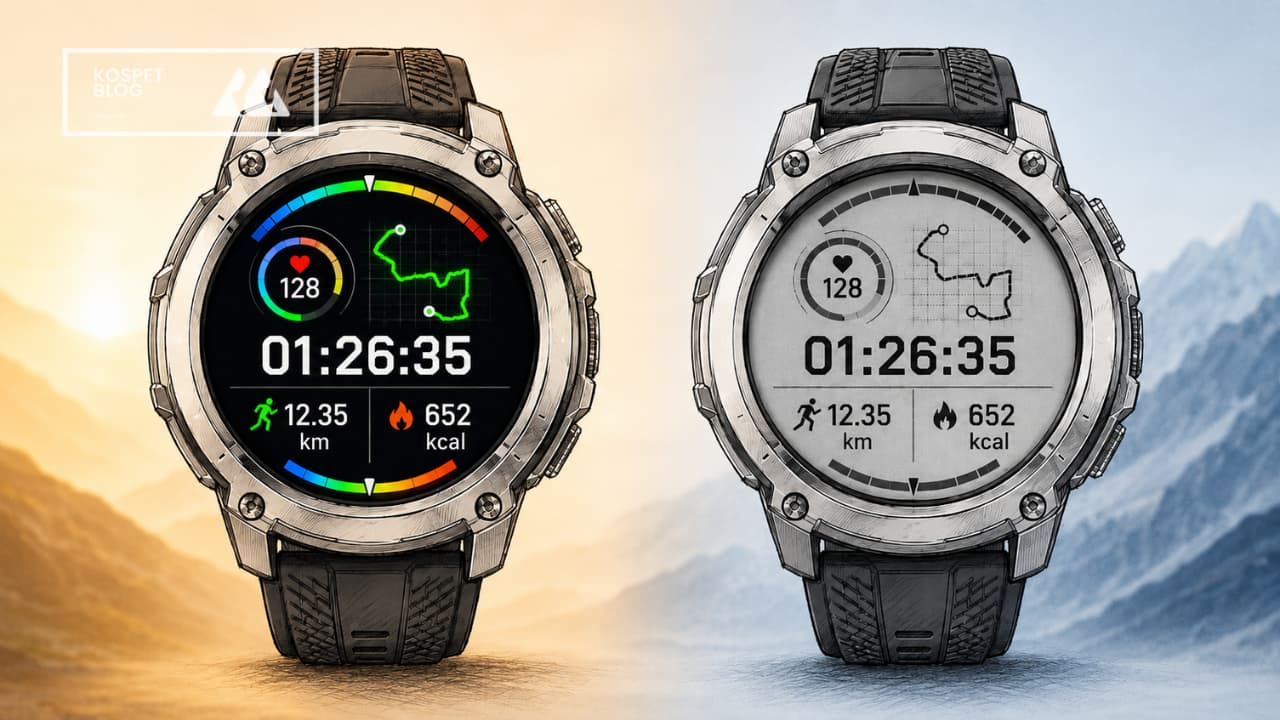
AMOLED is better for users who want sharper workout data, richer maps, and a more modern daily smartwatch screen. LCD, especially MIP-style LCD, is better for users who train outdoors for long hours and need stable readability in bright sunlight. The right choice depends on where you train, how long you train, and what you need to see on the watch.
A sports watch display is not just about color or style. It affects how quickly you can read pace, heart rate, distance, route lines, alerts, and battery status. A beautiful screen is useful only when it still works well during real training.
AMOLED vs LCD for Sports Watches: Quick Answer
| User Need | Better Choice | Why It Matters |
|---|---|---|
| Daily running and gym training | AMOLED | Workout data looks sharper and easier to read. |
| Training under strong sunlight | LCD / MIP-style LCD | The screen can stay readable in bright outdoor light. |
| Offline maps and route navigation | AMOLED | Colors help separate routes, arrows, and map details. |
| Long GPS workouts | LCD / MIP-style LCD | Often better for low-power, always-on outdoor use. |
| Premium daily smartwatch use | AMOLED | Watch faces, charts, and notifications look better. |
| Budget-focused sports watch | LCD | Usually focuses more on basic function and value. |
| One watch for sport and daily wear | AMOLED | Looks better during workouts and normal daily use. |
What Matters Most in a Sports Watch Display?
A sports watch display should help users read important data fast while moving. During a run or ride, users do not stop and study the screen. They glance at it for one second. That means the screen must show key data clearly.
The most important factors are sunlight readability, quick-glance data, GPS battery life, map clarity, always-on display, and price. Screen type matters, but it is not the only thing. Brightness, font size, screen layout, GPS mode, and battery design also shape the real experience.
AMOLED Displays: Best for Data Clarity and Map Detail
AMOLED is strongest when the watch needs to show several types of data in a small space. A sports watch screen may show pace, heart rate zone, distance, lap time, route direction, and workout status at the same time. The user needs to understand that data quickly, not slowly read it like a phone screen.
AMOLED helps because strong contrast makes small data fields easier to separate. Heart rate zones can use clear colors. Route lines can stand out from the map. Alerts and workout status can look more obvious. This is useful for users who do structured training, follow routes, or check more than basic time and distance.
AMOLED also makes more sense for users who wear the watch all day. Health charts, smart notifications, watch faces, and app menus look cleaner. For a user who wants one watch for training, work, and daily wear, AMOLED gives a better full-day screen experience.
Where AMOLED Can Fall Short in Sports Watches
AMOLED can become less practical when the workout is long, bright, and GPS-heavy. The screen may need high brightness under direct sun. At the same time, GPS tracking, heart rate monitoring, maps, vibration alerts, and music may also be running. This is where the display starts to affect real battery life.
AMOLED is not automatically power-saving in every situation. Research on OLED display power behavior explains that OLED power use depends strongly on the brightness and content shown on the screen. Dark screens can save power, but bright maps or light backgrounds can use much more energy.
This means users should not judge a sports watch only by the word “AMOLED.” They should check GPS battery life, outdoor brightness, always-on display settings, and whether the watch uses dark workout screens or bright map pages.
LCD Displays: Better for Long Outdoor Use
LCD is strongest when the watch is used more like an outdoor tool than a small smartphone. It may not look as rich as AMOLED, but it can be more practical for long training days, hiking, cycling, outdoor work, and bright open spaces.
This is especially true for MIP-style LCD screens. Garmin explains that its Chroma Display technology uses reflected ambient light and natural sunlight as primary light sources, so the display can become clearer as outdoor light gets stronger.
That is why LCD or MIP-style LCD can make sense for users who train outside for a long time. They may care less about rich color and more about checking pace, distance, direction, altitude, and battery without fighting the screen.
LCD also works well for users who want a more practical or lower-cost sports watch. It is a good fit when the main needs are time, pace, distance, heart rate, step count, and basic GPS tracking.
Where LCD Feels Limited for Sports Watches
LCD feels limited when the watch needs to show detailed visual information. Color maps, route lines, icons, training charts, and smart notifications usually look better on AMOLED. LCD can show this information, but it may feel less sharp or less easy to understand on a small watch screen.
This matters during navigation. A sports watch already has limited display space. When the screen has weaker contrast or fewer colors, users may need more time to understand route lines, map icons, or workout charts. That is not ideal during a run, ride, or hike.
LCD can also feel less premium for daily wear. Users who want smooth watch faces, clear health charts, colorful widgets, and a modern smartwatch feel may prefer AMOLED.
AMOLED vs LCD for Running, Cycling, and Hiking
The best screen depends on the sport and the product behind it. AMOLED is often better for richer maps and daily smartwatch use. LCD or MIP-style LCD is often better for long outdoor sessions where sunlight readability and battery life matter more.
| Sport Scenario | Better Choice | Product Example | Why It Matters |
|---|---|---|---|
| Road running | AMOLED or bright LCD | Garmin Forerunner 965 / COROS PACE 3 | Pace, heart rate, and distance must be easy to read fast. |
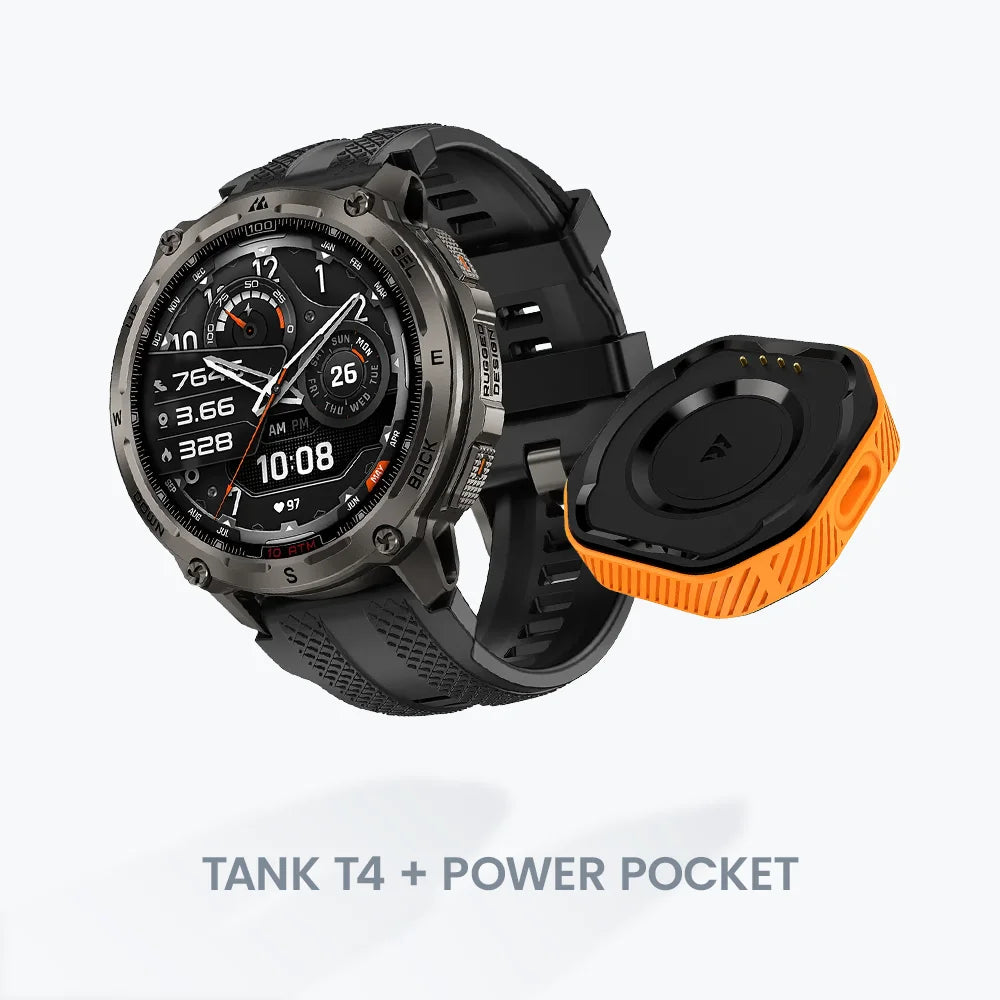
| Trail running | AMOLED for maps; LCD for longer outdoor use | KOSPET TANK T4 / Garmin Forerunner 965 | Routes, GPS accuracy, maps, and battery all matter. |
| Cycling | Bright AMOLED or outdoor LCD | Apple Watch Ultra 2 / Garmin Forerunner 965 | Riders need quick-glance data without staring at the screen. |
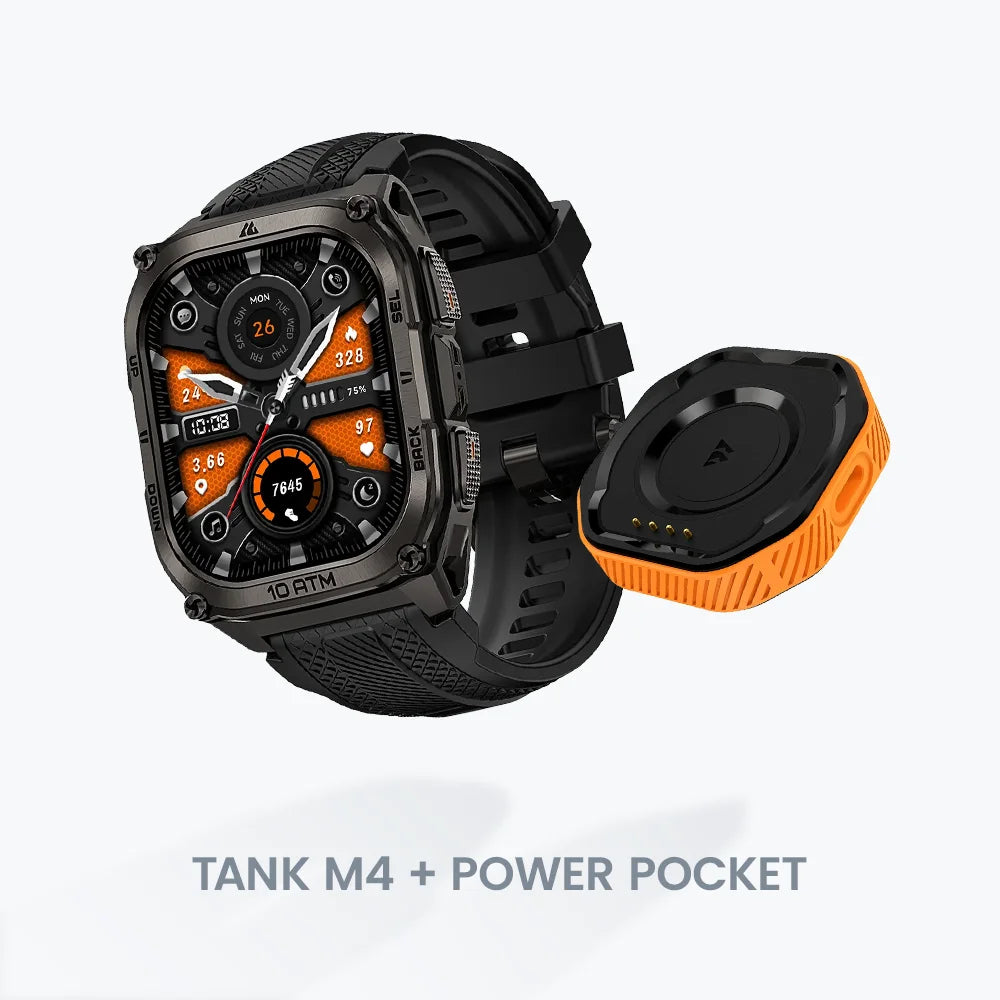
| Hiking | LCD / MIP-style LCD or long-battery AMOLED | Garmin Instinct 2 / Suunto Vertical / KOSPET TANK M4 | Long hours, strong sunlight, route checks, and GPS battery matter. |
| Gym training | AMOLED | Apple Watch Ultra 2 / KOSPET TANK T4C | Indoor screens, heart rate zones, and workout data look clearer. |
| Swimming | Screen type is secondary | KOSPET TANK M4 / Garmin Instinct 2 | Water rating, buttons, and simple workout data matter more. |
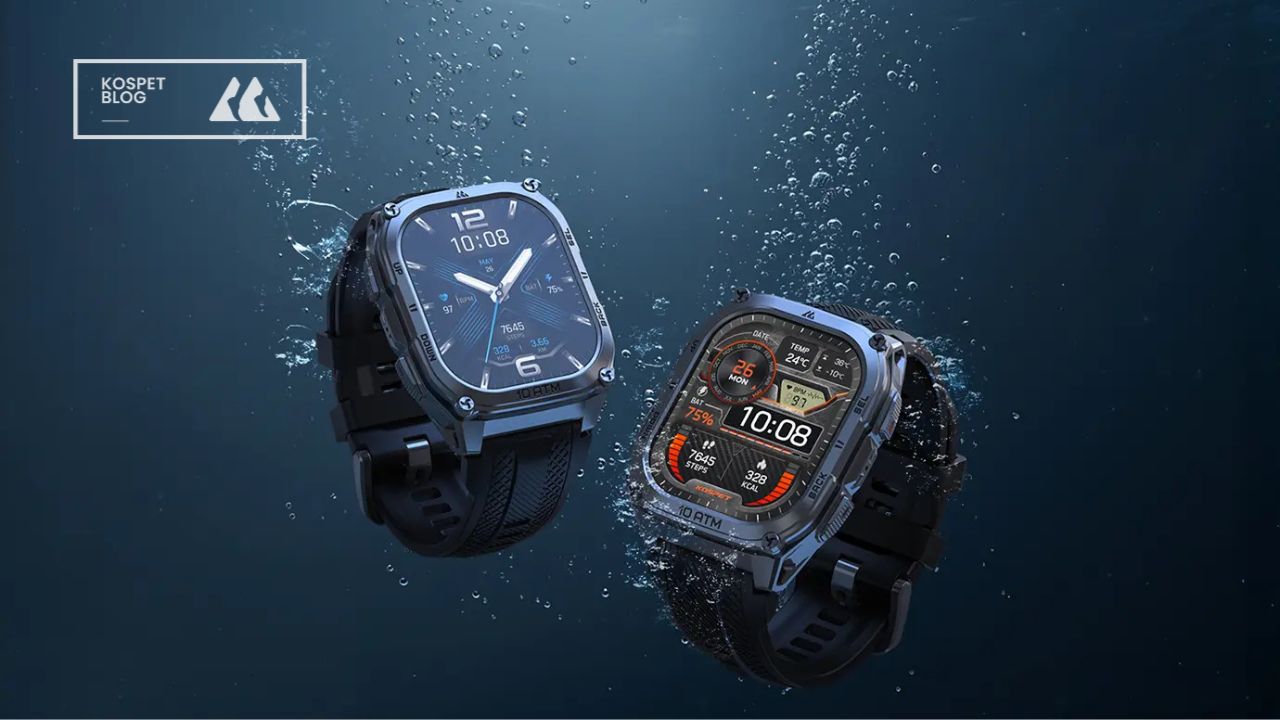
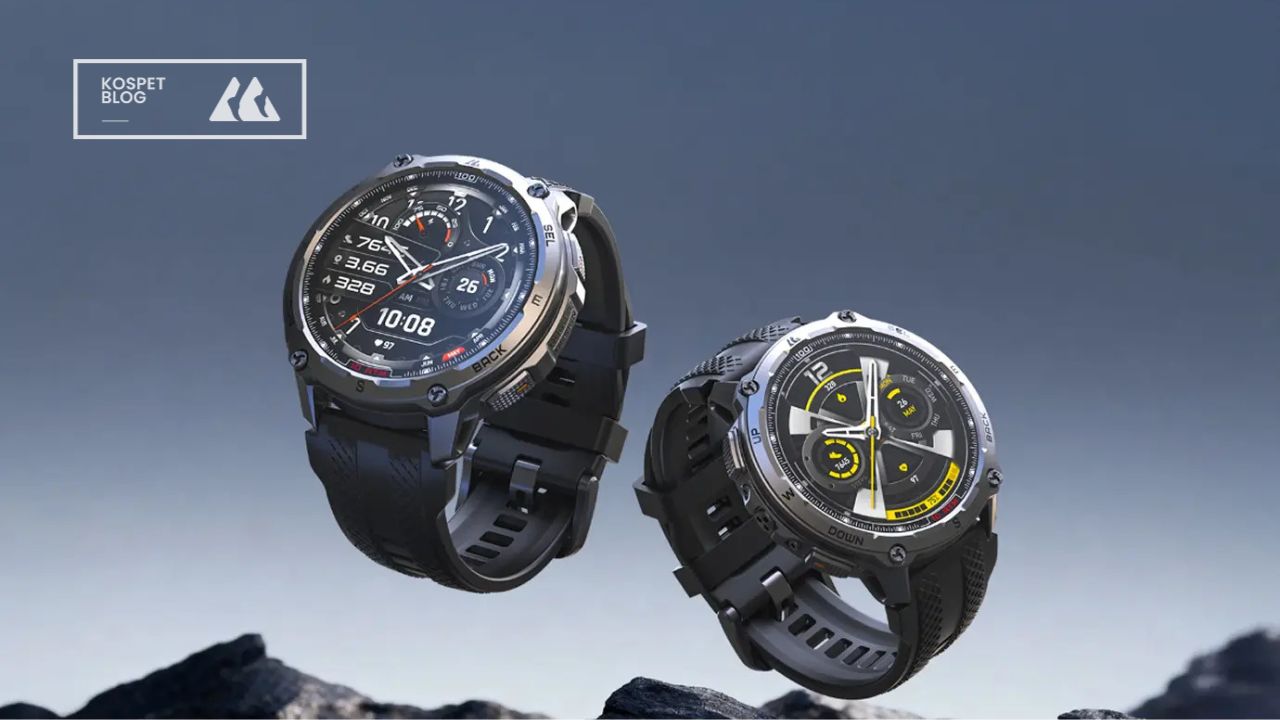
For users who want offline maps, music storage, and rugged outdoor use at a more value-focused price, KOSPET TANK T4 and KOSPET TANK M4 can be used as product examples. KOSPET lists TANK T4 with 32GB storage for music and offline maps, while TANK M4 focuses on long battery life, offline maps, diving, and outdoor endurance.
Which Display Is Better for Battery Life?
LCD or MIP-style LCD is often better for long outdoor training, but AMOLED can still perform well with the right design. The real answer depends on screen brightness, GPS mode, always-on display, maps, sensors, and software.
AMOLED can save power when it shows dark screens because black pixels can turn off. But it may use more power when the screen is bright or shows light-colored content. Research on OLED power consumption explains that OLED power use depends highly on displayed content and pixel intensity.
LCD works differently. It uses a backlight or reflected light system, depending on the display type. MIP-style displays can be more efficient for always-on outdoor use because they do not need to fight sunlight in the same way. This is why some outdoor watches still use transflective or memory-in-pixel displays.
For sports watch users, the most useful number is GPS battery life, not just daily battery life. A watch that lasts many days in normal use may not last as long with GPS, maps, music, and high brightness turned on.
Which Display Is Easier to Read in Sunlight?
MIP-style LCD is often easier to read in strong sunlight because it can use outdoor light instead of fighting against it. This is useful for midday running, hiking, cycling, fishing, and outdoor work.
Chroma Display reflected ambient light and natural sunlight can make the display clearer outdoors without the same battery impact as simply increasing backlight strength.
AMOLED can also be good in sunlight, but it needs enough brightness and good anti-glare design. The Apple Watch Ultra 2, for example, lists an OLED display with up to 3,000 nits maximum brightness. A high-brightness AMOLED screen can work well outdoors. A lower-brightness AMOLED screen may look great indoors but feel harder to read under direct sun.
This is why users should not judge only by screen type. They should check brightness, screen glass, anti-reflection design, data field size, and outdoor display mode.
For real sports use, sunlight readability is not about color beauty. It is about seeing the right number at the right moment.
Which Display Is Better for Maps and Navigation?
AMOLED is usually better for maps and route navigation because color helps users find information faster. Route lines, arrows, terrain, roads, POI icons, and warning markers are easier to separate when the screen has stronger color and contrast.
This is not only a design opinion. A study on color coding and layout coding in mobile map navigation icons found that color and layout can affect visual search efficiency and user experience. For a sports watch, that matters because the screen is small and the user may be moving.
This matters for trail running, hiking, cycling, and exploring new routes. AMOLED can make offline maps and navigation feel more natural. LCD can still show routes, but it may be better for simple route checks than detailed map reading.
Users who care about maps should also check GPS accuracy, route import, offline map support, storage, and navigation alerts. The display helps, but it is only one part of the full navigation experience.
Conclusion
AMOLED is the better choice for most users who want a modern sports watch with sharp data, better maps, and a stronger daily experience. It works well for running, gym training, health tracking, notifications, and route navigation.
LCD or MIP-style LCD is the better choice for users who spend long hours outdoors and care more about sunlight readability and battery stability. It may not look as rich, but it can be more practical for long outdoor use.
The best choice is not just AMOLED vs LCD. It is about training style, outdoor light, GPS battery life, map use, and budget. For visual detail and daily use, choose AMOLED. For long outdoor training and practical endurance, choose LCD or MIP-style LCD.
FAQs About AMOLED and LCD Sports Watches
Is AMOLED better than LCD for sports watches?
AMOLED is better for sharp data, maps, colors, and daily smartwatch use. LCD is better for long outdoor sessions and strong sunlight.
Does AMOLED drain more battery on a sports watch?
Not always. AMOLED can save power on dark screens, but high brightness, GPS, maps, and always-on display can use more battery.
Is LCD still good for sports watches?
Yes. LCD, especially MIP-style LCD, is still useful for outdoor training, hiking, long GPS workouts, and easy sunlight readability.


Leave a comment
All comments are moderated before being published.
This site is protected by hCaptcha and the hCaptcha Privacy Policy and Terms of Service apply.