

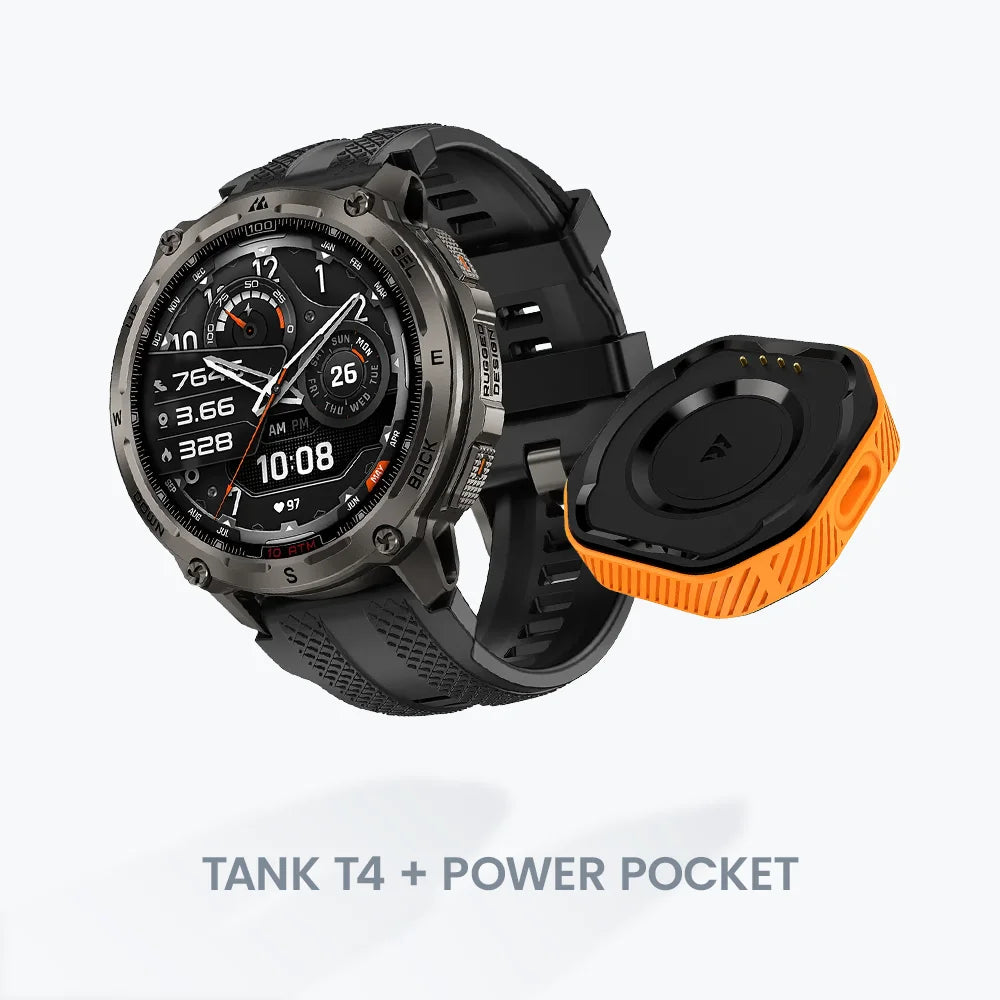
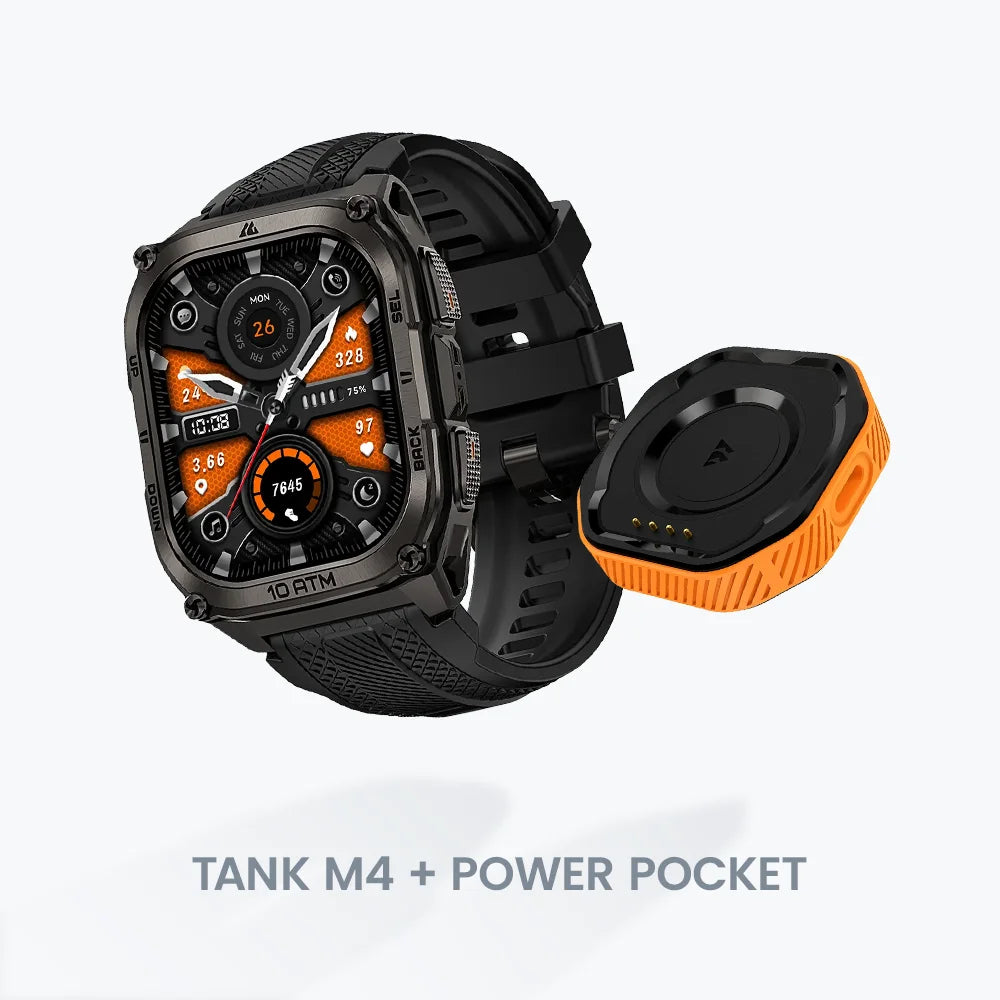


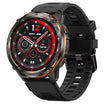
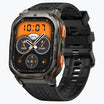
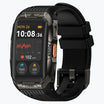
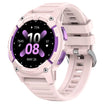
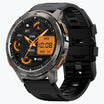
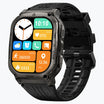
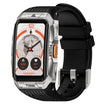
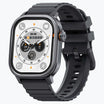
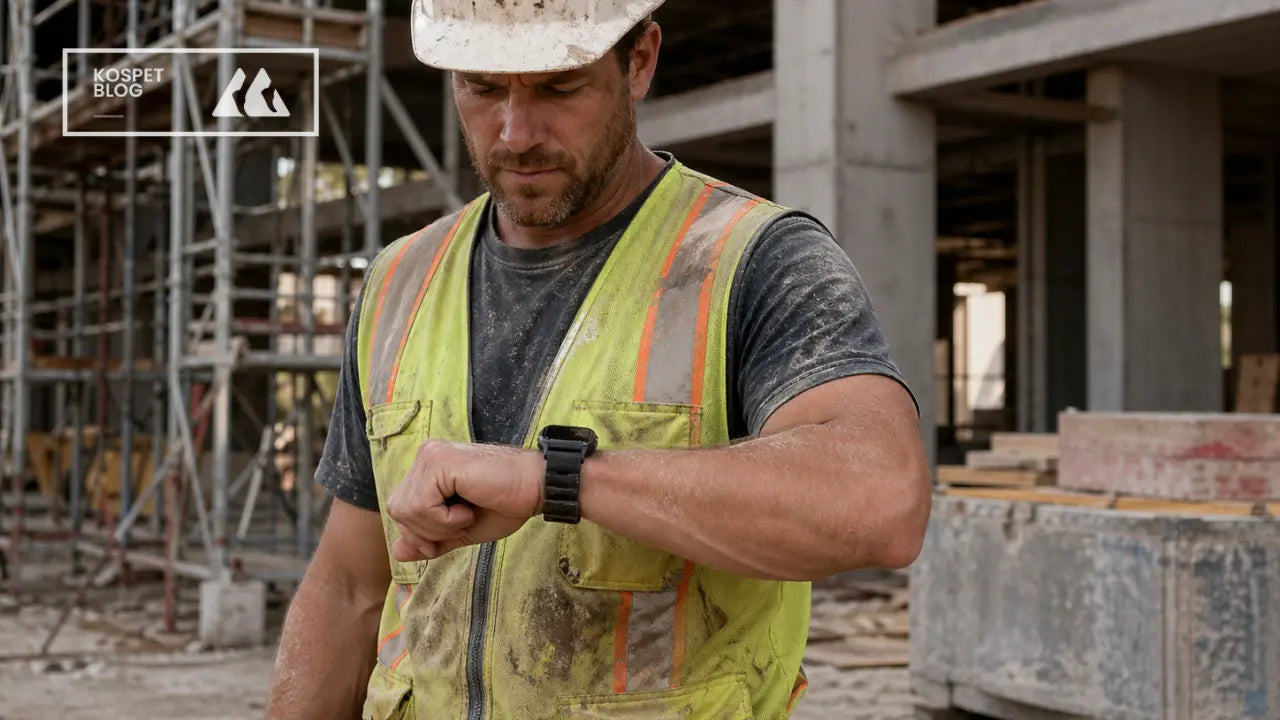
For most manual labor workers, a rugged smartwatch is a safer choice than a slim lifestyle smartwatch. It gives better protection against repeated bumps, scratches, sweat, dust, rain, dirty hands, and long shifts.
Manual labor does not usually damage a watch in one big accident. It wears the watch down through daily contact with tools, shelves, pipes, walls, boxes, machines, and rough surfaces. A good work smartwatch should reduce this kind of daily damage before it turns into a cracked screen, stuck button, weak battery, or uncomfortable strap.
The Best Durable Smartwatch for Manual Labor Work
A durable smartwatch for manual labor should be built around protection, control, and workday reliability. The best design is not the thinnest one or the one with the most apps. It is the one that stays useful when the work gets rough, dirty, wet, or long.
A good manual labor smartwatch should include:
- Protected screen: The screen should use tough glass, such as Corning Gorilla Glass, sapphire glass, or hardened glass. A raised bezel should sit higher than the display, so the case has a better chance of touching hard surfaces before the glass does.
- Rugged case: The body should have protected corners, a strong outer frame, and materials that are better suited for repeated bumps. A rugged polymer case, metal-reinforced bezel, or TPU outer layer can help reduce damage from daily contact.
- Clear water and dust protection: The watch should show real ratings, such as IP68, IP69K, 5ATM, or 10ATM. A vague “waterproof” claim is not enough for sweat, rain, mud, dust, handwashing, and cleaning.
- Work-friendly controls: Physical buttons matter because touchscreens can become harder to use with wet hands, dusty fingers, oil, or gloves.
- Multi-day battery life: A work smartwatch should last at least 5–7 days in normal use. For long shifts and outdoor work, 10–14 days is a better target.
- Easy-clean strap: Silicone, TPU, or rubber straps are better for manual labor than leather or fabric. They are easier to rinse after sweat, dust, mud, or oil exposure.

Why Regular Smartwatches Struggle on Tough Jobs
Regular smartwatches often struggle on tough jobs because they are built for clean daily use, not repeated work damage. Their weak points become more obvious when the watch is exposed to tools, water, dust, sweat, and hard surfaces every day.
| Regular Smartwatch Weak Point | Why It Becomes a Problem at Work | Better Design for Manual Labor |
|---|---|---|
| Flat exposed screen | The glass may hit toolboxes, pipes, shelves, walls, or metal edges first | Raised bezel + tough glass |
| Thin lifestyle case | Less protection around corners, buttons, and screen edges | Rugged case with protected corners |
| Touchscreen-only control | Sweat, dust, oil, water, and gloves can make touch input less reliable | Touchscreen + physical buttons |
| Soft or delicate strap | Can trap sweat, dirt, odor, or oil | Washable silicone, TPU, or rubber strap |
| Vague water resistance | May not be enough for rain, mud, sweat, washing, or cleaning | Clear IP68, IP69K, 5ATM, or 10ATM rating |
| One-day battery | Long shifts and missed charging can leave the watch dead | Multi-day battery life |
| Dim display | Harder to read outdoors or under strong light | Bright outdoor-readable screen |
A regular smartwatch can still work for light tasks. For construction, repair, warehouse work, landscaping, maintenance, and other manual labor jobs, the watch needs stronger protection and easier control.
Screen Protection Is the First Durability Test
Screen protection matters most when the watch face keeps touching hard surfaces during work. In manual labor, the screen can scrape against toolboxes, metal shelves, wood, concrete, pipes, truck beds, and machine edges.
A work-ready screen should solve these real problems:
- When your wrist hits a hard edge: A raised bezel helps the case touch the surface before the glass does. This is useful when moving boxes, reaching into a toolbox, or working near metal frames.
- When the watch rubs against rough materials: Gorilla Glass, sapphire glass, or hardened glass helps reduce scratches from tools, stone, wood, metal parts, and construction materials.
- When outdoor light makes the screen hard to read: A bright display helps workers check time, alerts, or data quickly without stopping the job. Around 1,000 nits is a useful target for many outdoor work settings.
- When small scratches build up: A scratched screen is not only a cosmetic issue. It can make the display harder to read, especially in sunlight or dusty work areas.
For manual labor, the screen should not be treated like a delicate glass surface. It should be protected like the most exposed part of the watch.
A Rugged Case Should Absorb Daily Hits
A rugged case matters because many work impacts hit the side of the watch, not just the screen. Manual labor workers often bump their wrists against shelves, ladders, walls, pipes, machines, toolboxes, and workbenches.
A good rugged smartwatch case should handle these jobsite problems:
- Side impact: The case should have protected edges and enough thickness around the body. This helps reduce damage when the wrist bumps into equipment or tight spaces.
- Corner damage: Protected corners matter because watch edges often take the first contact during lifting, carrying, or reaching.
- Button damage: Buttons should not stick out in a weak way. A guarded button area helps reduce damage from side contact.
- Repeated small hits: A rugged polymer body, TPU frame, or metal-reinforced bezel can be better suited for daily bumps than a thin polished lifestyle case.
A rugged case should work like a bumper. Its job is to take the hit before the screen, sensors, and internal parts do.
Work-Friendly Controls Matter With Dirty Hands
A work smartwatch must stay easy to control when hands are wet, dusty, oily, or covered by gloves. A touchscreen alone can be frustrating when the job gets messy.
Controls should match real work situations:
- Wet hands: Physical buttons are easier to use after handwashing, rain exposure, plumbing work, or heavy sweating.
- Dusty fingers: Dust from concrete, wood, soil, or packaging can make swiping and tapping less reliable. Buttons give a more stable backup.
- Gloves: Large buttons with firm feedback are easier to press than small touch targets on a screen.
- Quick checks: Workers often need to check time, timers, notifications, or health data in seconds. Controls should not slow them down.
The best work smartwatch uses both touchscreen and physical buttons. Touch is convenient in clean moments. Buttons matter when work conditions are not clean.
Water and Dust Resistance Are Daily Work Needs
Water and dust resistance matter because manual labor exposes a watch to sweat, dirt, and cleaning every day. This is not only about swimming or outdoor sports.
A work smartwatch should be ready for these situations:
- Sweat during long shifts: A sealed body and washable strap help the watch stay comfortable after hours of wear.
- Rain and mud: Outdoor workers need water resistance that can handle bad weather, splashes, and dirty surfaces.
- Fine dust: Concrete dust, sawdust, metal dust, and soil can collect around buttons, speaker holes, case gaps, and strap edges.
- End-of-day cleaning: A watch used for manual labor should be easy to rinse or wipe down after work.
- Clear rating checks: IP68 is useful for dust and daily water exposure. IP69K is better for harsher wet or dirty environments. 5ATM or 10ATM helps show water pressure resistance.
The strap is part of this durability. Silicone, TPU, or rubber is easier to clean than leather or fabric. A watch that traps sweat and dirt will not feel good as a daily work watch.
Long Battery Life Means Fewer Workday Failures
A smartwatch for manual labor should last at least 5–7 days in normal daily use, and 10–14 days is a better target for workers with long shifts. One-day battery life is usually too weak for manual labor because workers may start early, finish late, work outdoors, or forget to charge after a tiring day.
Battery life should be judged by real work use:
- Basic workday use: For time checks, notifications, alarms, timers, and basic health tracking, a durable work smartwatch should reach at least 5–7 days of use.
- Heavy work use: With frequent screen checks, all-day heart rate tracking, more alerts, and outdoor brightness, a stronger target is 7–10 days.
- Outdoor GPS use: GPS drains power much faster. For workers who use GPS for field routes, outdoor jobs, hiking, or long-distance movement, the watch should support at least 15–20 hours of GPS tracking.
- Missed charging: Manual labor workers often do not charge every night. A watch with 10+ days of typical battery life gives a safer buffer for long weeks.
A good work smartwatch should not make charging part of the daily routine. The better question is not “what is the maximum battery claim?” The better question is: can this watch last through a full workweek, several long shifts, and occasional GPS use without battery stress?
Recommended Rugged Smartwatch for Manual Labor Work
KOSPET TANK T4C with a stainless steel bezel, zinc alloy body, polymer case back, four buttons, 5 ATM and IP69K water resistance, silicone strap, Corning® Gorilla® Glass 3, a 1.5-inch AMOLED display with up to 1,000 nits brightness, and up to 12–15 days of typical battery life. Battery values are listed as “up to” figures and can vary by settings, usage, and environment.

| Manual Labor Need | What to Look For | TANK T4C Match |
|---|---|---|
| Screen protection | Tough glass and rugged face design | Corning® Gorilla® Glass 3 |
| Repeated work contact | Tougher body structure | Stainless steel bezel, zinc alloy body, polymer case back |
| Wet or dirty work | Clear water and dust rating | 5 ATM + IP69K |
| Dirty hands or gloves | Physical buttons | Four physical buttons |
| Outdoor visibility | Bright AMOLED display | 1.5-inch AMOLED, up to 1,000 nits |
| Long shifts | Multi-day battery claim | Up to 12–15 days typical use; up to 8–10 days heavy use |
| Sweat and cleaning | Washable strap material | Silicone strap |
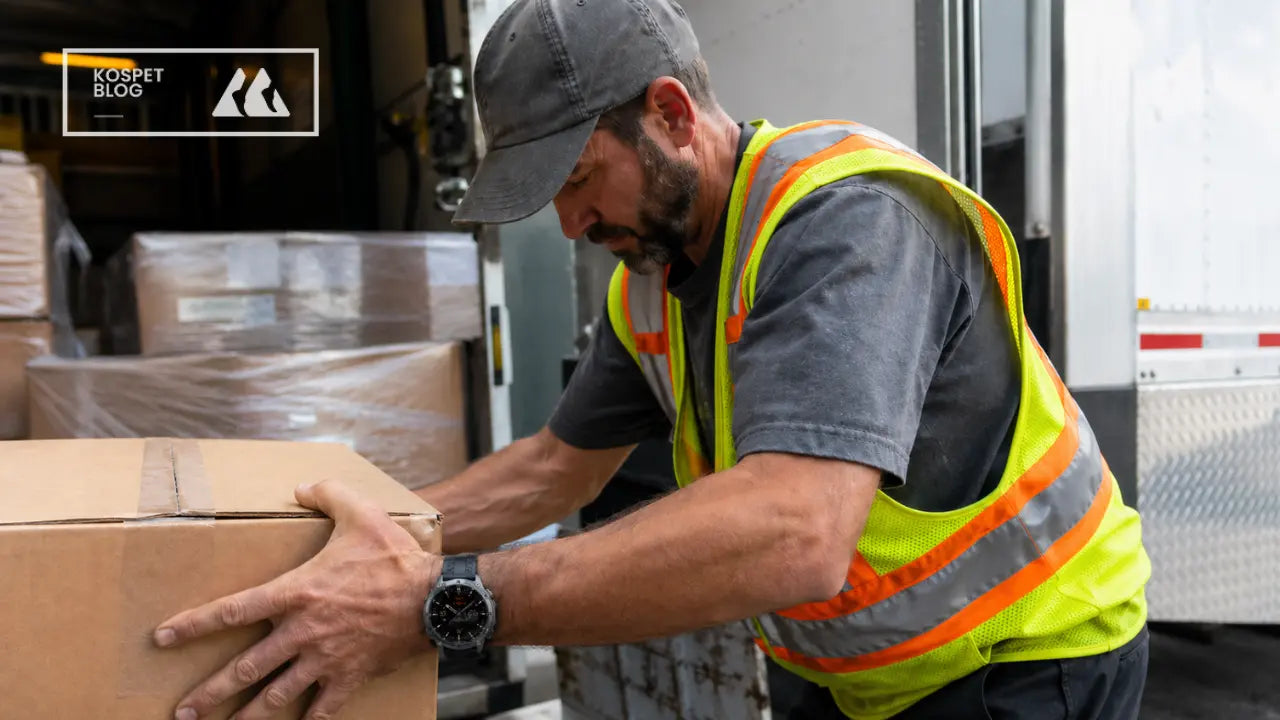
Best fit: users who want a rugged smartwatch for construction, warehouse work, maintenance, repair, landscaping, outdoor labor, or other jobs where the watch often faces scratches, sweat, dust, water, and repeated contact.
Conclusion
The most durable smartwatch for manual labor is the one built around real work damage. It should protect the screen with a raised bezel and tough glass, use a rugged case to reduce damage from daily contact, resist sweat and dust, stay usable with dirty hands, and last through long shifts.
FAQs
What type of smartwatch is best for manual labor?
A rugged smartwatch is usually a better choice for manual labor. It gives stronger protection against impact, scratches, sweat, dust, rain, and long workdays than a thin lifestyle smartwatch.
What makes a smartwatch durable enough for work?
A durable work smartwatch should have a raised bezel, tough glass, rugged case, clear water and dust ratings, physical buttons, multi-day battery life, and a washable strap.
Is a regular smartwatch enough for manual labor?
A regular smartwatch may be enough for light work. Tough jobs usually need stronger screen protection, better case protection, clearer water and dust ratings, and more reliable controls.


Leave a comment
All comments are moderated before being published.
This site is protected by hCaptcha and the hCaptcha Privacy Policy and Terms of Service apply.