



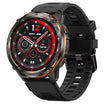
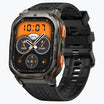
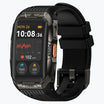
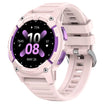
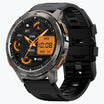
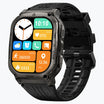
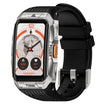
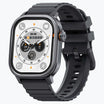
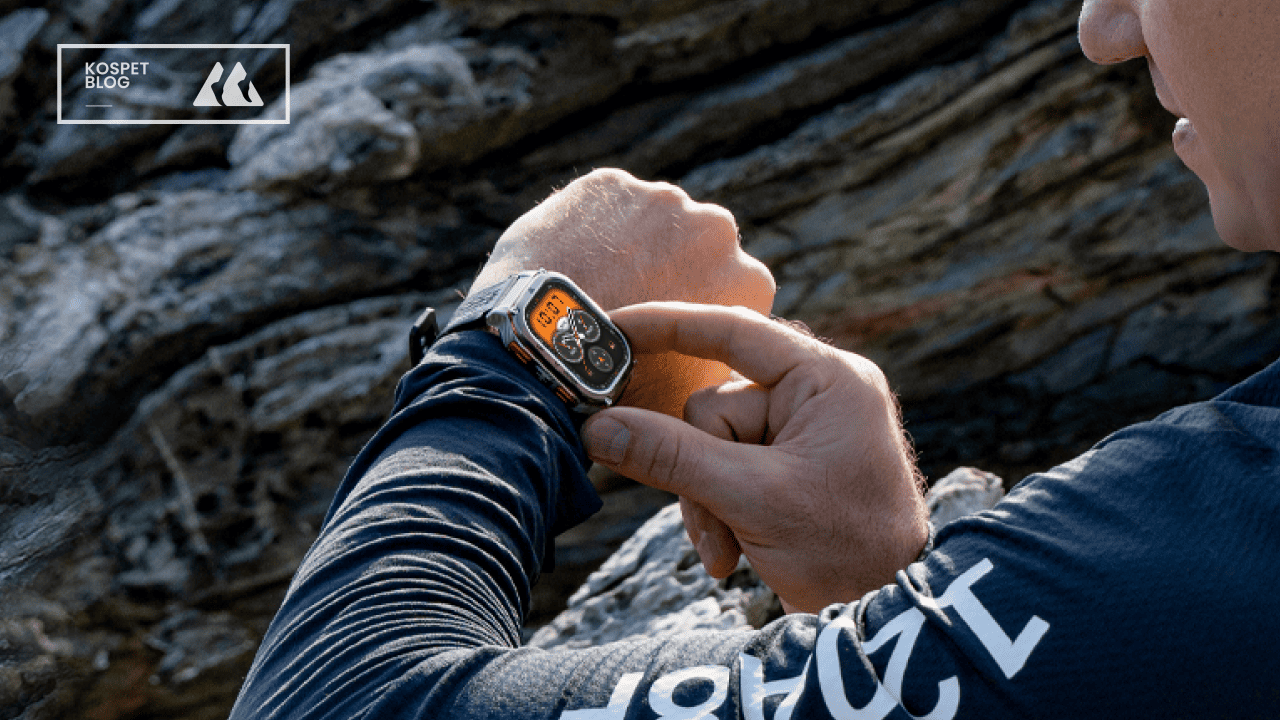
Choosing the right watch depends on whether you prioritize hardware survival in harsh environments or lightweight data tracking for daily health goals. Both devices offer smart features, but they serve different types of people.
A rugged smartwatch is a tool for survival and heavy-duty work. A fitness watch is a companion for the gym and office. Selecting the wrong one leads to broken screens or unnecessary bulk on your wrist.
Durability Standards: Can Your Watch Survive the Extreme?
Extreme durability standards like MIL-STD-810H define the main difference between rugged and fitness watches. This military-grade certification ensures a device survives high-altitude low pressure, extreme heat, and freezing cold.
Rugged smartwatches use these standards to guarantee they will not fail during a mountain climb or on a construction site. Fitness watches rarely meet these intense requirements. Most standard sports watches focus on looking sleek rather than absorbing a hard impact against a rock or metal tool.
| Feature | Rugged Smartwatch | Fitness Watch |
|---|---|---|
| Durability Standard | 15+ MIL-STD-810H Tests | Standard Drop Tests |
| Screen Material | Sapphire Glass or Gorilla Glass | Standard Tempered Glass |
| Impact Protection | Raised Bezels & Metal Shell | Flush Screen & Plastic/Aluminum |
Screen protection is another area where rugged devices lead the market. Most high-end rugged models feature sapphire glass or deeply recessed screens. This design prevents scratches when your arm hits a wall or slides against gravel.
Standard fitness watches often use Gorilla Glass, which is clear and light but remains vulnerable to shattering under direct pressure. According to reports by theAmerican Society for Testing and Materials, material hardness is the single most important factor in preventing hardware failure in outdoor electronics.
Waterproofing: From Rain Showers to Deep Sea Diving
High-level waterproofing protects rugged smartwatches from more than just a light rain shower. Devices with an IP69K rating can withstand high-pressure water jets and steam cleaning. This makes them perfect for people who work with heavy machinery or enjoy mud runs.
Most fitness watches carry an IP68 rating, which is safe for a swimming pool but risky in high-velocity water sports. Choosing a watch with 5ATM or 10ATM water resistance allows for professional diving activities that would destroy a standard fitness tracker instantly.
- IP69K Rating: Protects against high-pressure, high-temperature water.
- 5ATM/10ATM: Defines the depth the watch can handle (50m to 100m).
- Dust Resistance: Prevents sand and fine particles from clogging the buttons.
Dust and sand protection are equally important for longevity. Rugged watches use specialized seals to prevent fine particles from entering the casing. These seals protect the internal motherboard and battery from corrosion.
Fitness watches often have small gaps around buttons or sensors where dust can collect over time. In desert environments or woodworking shops, these particles eventually cause the touch screen or physical buttons to stop working.
Fitness Tracking vs. Tactical Features: Body Data vs. Environment Tools
The choice between fitness and tactical features depends on whether you track your internal health or your external surroundings. Fitness watches focus on "Body Data" to help you improve your physical performance. Rugged watches focus on "Environment Tools" to keep you safe in the wilderness. Understanding these two categories helps you avoid paying for sensors you will never use.
The Fitness Focus: Analyzing Your Body
Fitness watches specialize in high-accuracy heart rate monitoring and recovery analysis. They provide deep data on VO2 max and sleep stages to help athletes improve their training. These devices are best for people who spend their time in a controlled gym environment or on a paved running track.
- Recovery Tracking: Tells you how long to rest after a hard workout.
- Sport Modes: Offers specific data for yoga, pilates, or indoor cycling.
- Sleep Analysis: Breaks down light, deep, and REM sleep cycles.
The Tactical Focus: Navigating Your Environment
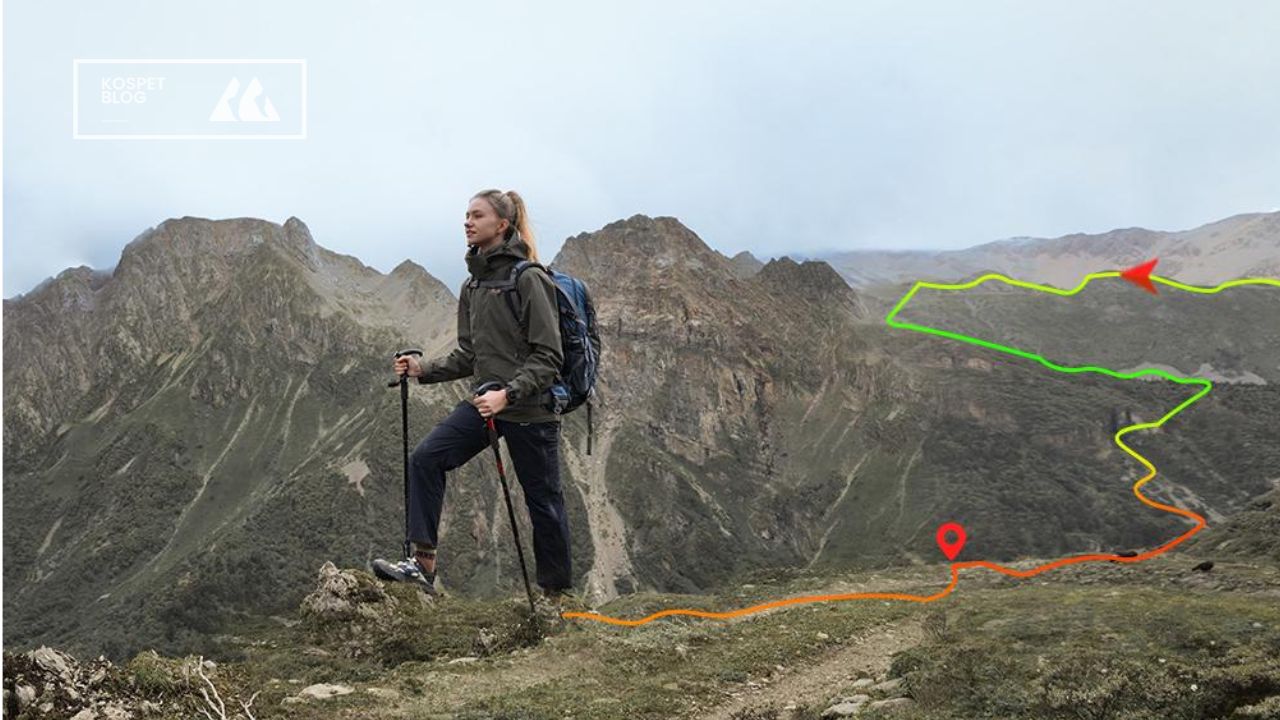
Rugged smartwatches prioritize survival tools like a built-in altimeter, barometer, and compass. These sensors help hikers predict weather changes and track their elevation in real-time. Many rugged models also include dual-band GPS tracking for better accuracy in deep forests or between tall buildings.
- Barometer: Alerts you to sudden drops in air pressure that signal a storm.
- Altimeter: Tracks your vertical climb during a hike or mountain bike ride.
- Navigation: Provides breadcrumb trails to help you find your way back home.
Battery Longevity: Weekly vs. Monthly Charging
Battery longevity remains a primary pain point for people who hate charging their devices every night. Rugged smartwatches have larger cases, which provides more room for high-capacity batteries.
Many models stay powered for 20 to 60 days on a single charge in standard mode. This makes them ideal for multi-day camping trips or long work shifts where a power outlet is unavailable. A standard fitness watch is thin and light, which limits the battery size. Most fitness trackers require a charge every 5 to 7 days, especially when using the GPS frequently.
| Usage Scenario | Rugged Watch Battery | Fitness Watch Battery |
|---|---|---|
| Typical Daily Use | 15–25 Days | 5–10 Days |
| Standby Mode | 50+ Days | 15–20 Days |
| Continuous GPS | 20+ Hours | 10–15 Hours |
Power-saving modes in rugged devices are also more advanced. These watches can shut down non-essential smart features while keeping the GPS tracking and clock active for days.
This is a critical feature for search and rescue workers or long-distance hikers. Fitness watches often shut down completely once the battery hits a low percentage. Constant charging also degrades the battery life faster over time. A watch that charges once a month will physically last more years than a watch that charges every night.
Design & Comfort: Office vs. The Great Outdoors
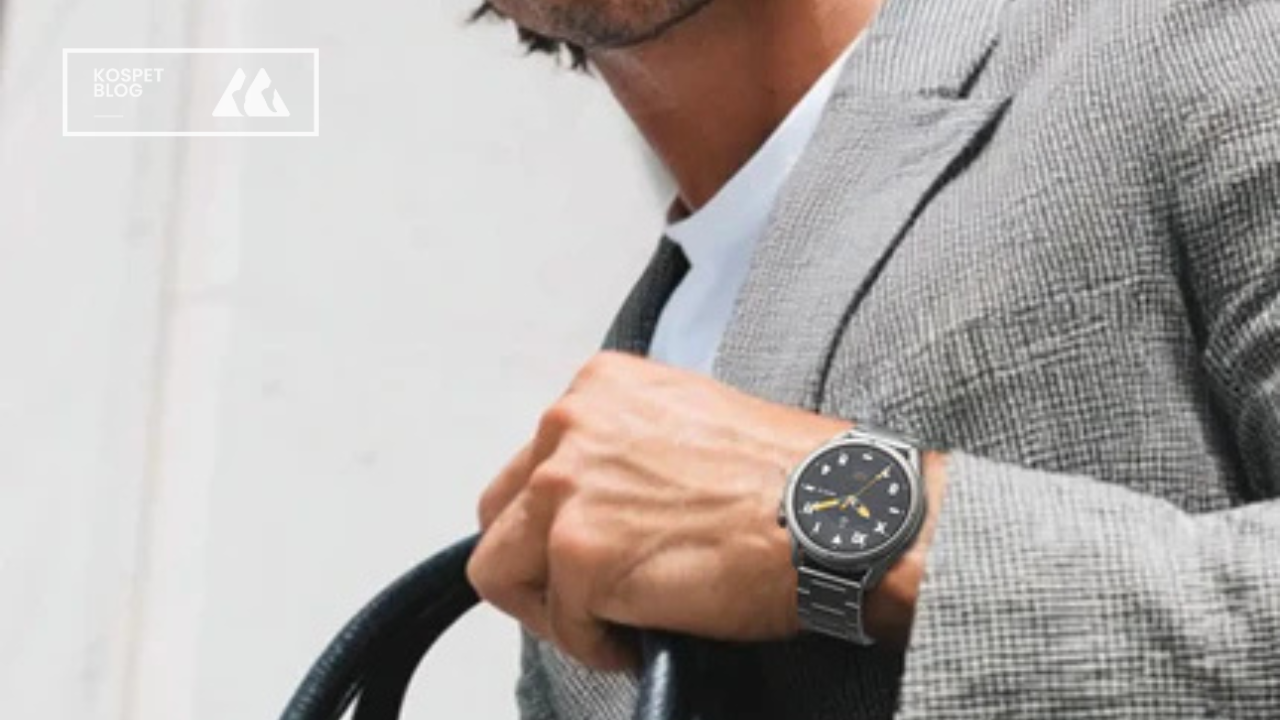
Design choices directly impact your comfort during long shifts or sleep tracking sessions. Fitness watches feature a slim design and lightweight materials like aluminum or plastic.
This makes them easy to wear 24/7 without feeling heavy on the wrist. They fit easily under the sleeve of a dress shirt or a tight jacket. People who work in offices or attend formal events usually prefer the subtle look of a fitness tracker.
Rugged watches are intentionally bulky to accommodate protective bumpers and glove-friendly buttons. These large physical buttons allow you to operate the watch even when your hands are wet, muddy, or covered by thick winter gloves.
The straps are usually made of heavy-duty silicone or woven nylon to prevent snapping under tension. While they might feel heavy for some users, the extra weight represents the armor protecting the technology inside. Professionals in the field value this "overbuilt" design because it prevents the device from being the weakest link in their gear.
Recommended Products: Top Picks for Your Lifestyle
Choosing the right KOSPET smartwatch ensures you get a watch that aligns with the lifestyle themes discussed in this article. Whether you need a stylish fitness partner or a military-grade survival tool, these recommendations represent the best of both worlds.
The Fitness Choice: KOSPET Magic Series
The Magic Series is designed for the "Urban Athlete" who needs health tracking without the bulk. These watches match the Fitness Watch theme perfectly with their lightweight frames and professional heart rate sensors.
- Best For: Daily gym sessions, office wear, and detailed sleep tracking.
- Key Strength: Offers 180+ sport modes and high-definition displays in a slim, elegant body.
- Durability: Provides IP68 water resistance, making it safe for daily splashes and rain.

The Rugged Choice: KOSPET TANK T3 Ultra 2
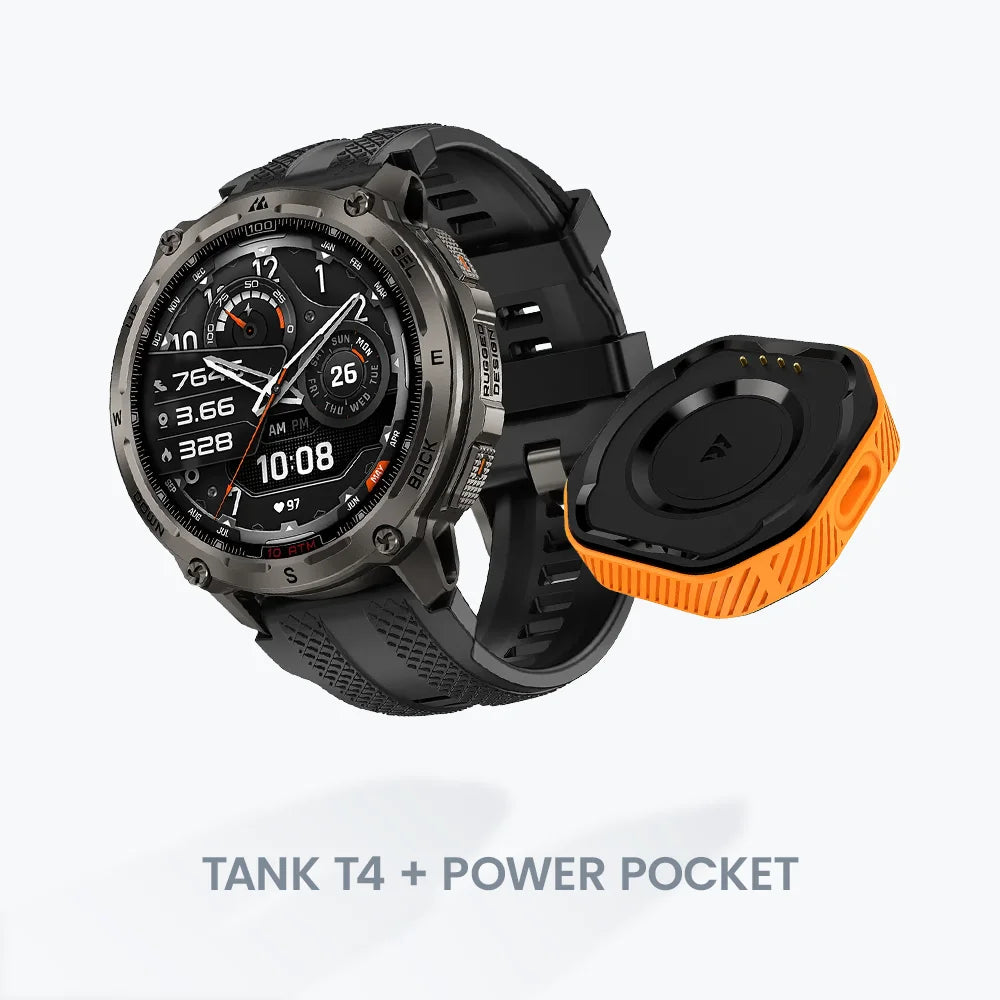
The TANK T3 Ultra 2 is the ultimate example of a Rugged Smartwatch built for extreme conditions. It aligns with our "Tactical" theme by offering 15 U.S. Military-grade certifications and advanced navigation tools.

- Best For: Outdoor exploration, construction work, and military/tactical use.
- Key Strength: Features dual-band GPS, a built-in compass, and 5 ATM waterproofing for swimming.
- Battery: Delivers massive battery longevity, lasting up to 50 days on standby to ensure you are never stranded without power.
Conclusion
The best watch is the one that survives your worst day. Rugged smartwatches offer peace of mind through MIL-STD-810H durability and massive battery life. They are the best choice for adventurers and professionals working in tough conditions. Fitness watches offer elegance and deep biological insights for those who stay in safer environments. Focus on your environment first, and the right choice will become clear.
FAQs
Why should I choose a rugged smartwatch over a fitness watch?
If you work in tough conditions like construction or enjoy outdoor sports like hiking, a rugged watch is built to survive impacts and extreme weather that would break a standard watch.
Can I still track my heart rate and steps on a rugged watch?
Yes, rugged watches like the TANK series include all the standard health sensors found in fitness watches, such as heart rate, steps, and blood oxygen (SpO2) monitoring.
How often do I need to charge a rugged smartwatch?
Most rugged smartwatches only need to be charged once every 15 to 30 days, while a typical fitness watch often needs a charge every week.


Leave a comment
All comments are moderated before being published.
This site is protected by hCaptcha and the hCaptcha Privacy Policy and Terms of Service apply.