



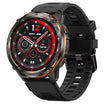
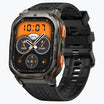
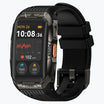
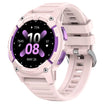
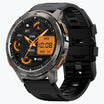
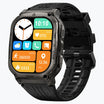
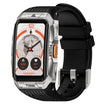
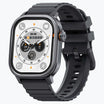

A GPS smartwatch is a wearable device that tracks your location and movement using built-in satellite sensors instead of relying on a smartphone.
This independent tracking allows you to record your running route, hiking distance, or cycling speed with high precision. By cutting the cord to your phone, these devices offer a level of freedom and data accuracy that standard fitness trackers simply cannot match.
What Is a GPS Smartwatch and Who Is It For?
A GPS smartwatch uses a dedicated internal chip to receive signals from Global Navigation Satellite Systems (GNSS). These systems include the American GPS, Russian GLONASS, European Galileo, and Chinese Beidou.
By locking onto multiple satellites at once, the watch calculates your exact coordinates on Earth in real-time. This technology is much more reliable than basic step-counting because it measures physical distance rather than just arm movement.
Different groups of people find these devices essential for their specific lifestyles:
- Outdoor Explorers: Hikers and mountain climbers use them to navigate trails and avoid getting lost in areas without cell service.
- Data-Driven Athletes: Marathon runners and triathletes rely on them for precise split times and pace management.
- Commuters and Walkers: People who want to see a visual map of their daily activity without draining their phone battery.
- Privacy-Conscious Users: Anyone who prefers to exercise without a bulky, connected smartphone tracking their every notification.
Key GPS Smartwatch Features to Look For
A truly comprehensive GPS watch must offer a blend of satellite accuracy, environmental sensing, and physical durability. To get the most out of your investment, focus on these four pillars of performance:
- Multi-System GNSS Support: Look for "All-System" or "Dual-Band" tracking. This allows the watch to use two different frequencies from five or six different satellite networks at once, providing a signal even in "canyons" made of tall city buildings or thick forest trees.
- Environmental Sensors: A built-in barometric altimeter is necessary for tracking elevation gain, while a digital compass helps with orientation. These sensors turn a simple tracker into a professional navigation tool.
- Battery Optimization: High-quality watches offer a "GPS Power Save" mode. This allows the watch to ping satellites less frequently to save energy on multi-day trips while still maintaining a reasonably accurate path.
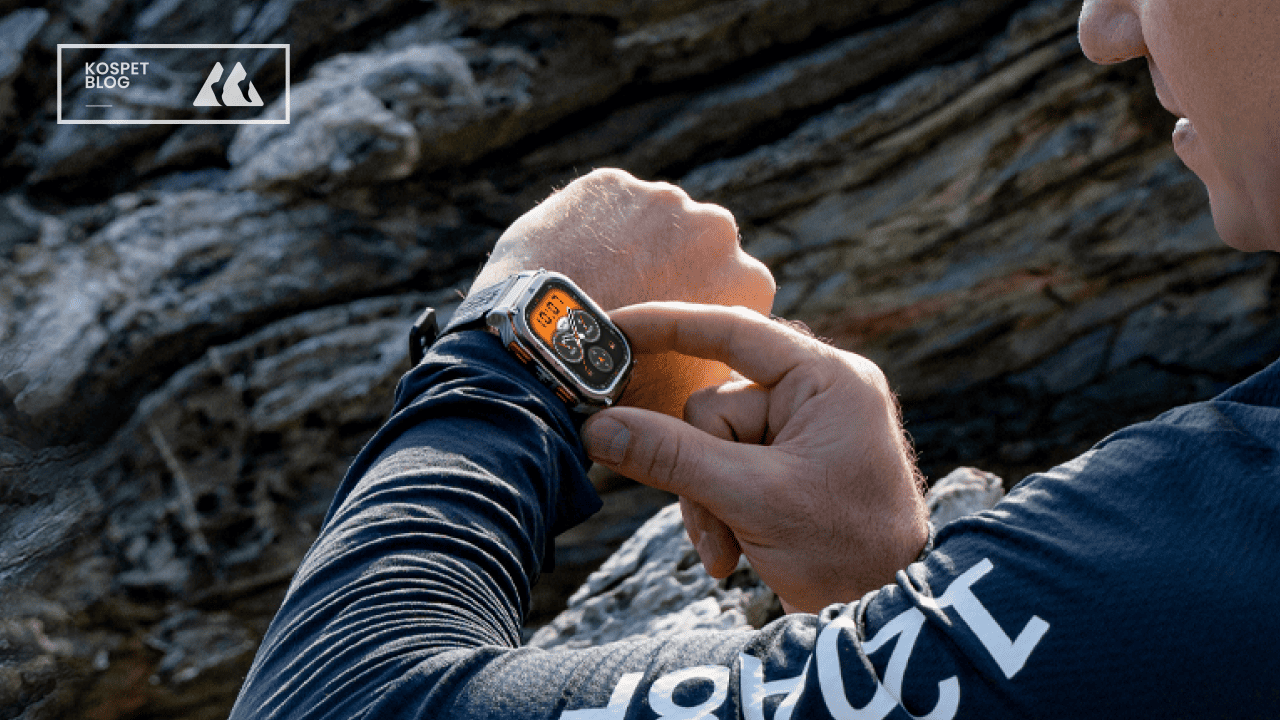
- Rugged Build Standards: Ensure the watch meets MIL-STD-810H military standards. This means the device can survive extreme heat, freezing cold, and accidental drops against hard rocks.
GPS Smartwatch vs. Regular Smartwatch
The difference between these two categories lies in their independence and sensor quality. A regular smartwatch is often just a second screen for your phone, while a GPS smartwatch is a standalone computer for your wrist.
| Feature | GPS Smartwatch (Built-in) | Regular Smartwatch (Connected) |
|---|---|---|
| Location Source | Internal GPS Antenna | Paired Smartphone via Bluetooth |
| Phone Necessity | Works entirely without a phone | Must stay within 30 feet of a phone |
| Data Accuracy | High precision (3-5 meters) | Variable (depends on phone sensor) |
| Battery Impact | High drain during active tracking | Low drain on watch (drains phone) |
| Best Use Case | Hiking, Trail Running, Open Water | Casual Gym, Step Counting, Notifications |
How to Choose a GPS Smartwatch by Activity
Your primary choice should depend on where and how you spend most of your active time. Different activities demand different levels of sensor frequency and ruggedness.
- For Hiking and Trekking: Prioritize a watch with "Breadcrumb Navigation" or "Offline Maps." These features show a simple line on your screen to guide you back to your starting point. High battery life in GPS mode (30+ hours) is vital for long days in the wilderness.
- For Running and Cycling: Focus on lightweight designs and "Dual-Band GPS." Runners need instant feedback on their current pace and heart rate zones to improve their performance.
- For Swimming and Water Sports: Look for a 10ATM or IP69K rating. The watch needs specialized algorithms to track location in open water.
Are Offline Maps and Advanced GPS Features Worth It?
Dual-band GPS (L1+L5) provides a massive improvement in accuracy for users in challenging environments. Standard GPS signals often bounce off hard surfaces like glass skyscrapers or granite cliffs, creating "drift" on your map. Dual-band technology uses two signals to filter out these errors, ensuring your recorded path stays on the actual trail or sidewalk.
Offline mapping features act as a vital safety net when you travel outside of cellular coverage. Having a color topographic map on your wrist means you can see terrain changes and nearby landmarks without needing an internet connection. This feature is worth the extra cost for anyone who frequently explores remote national parks or unfamiliar city streets.
How GPS Smartwatch Battery Life Affects Daily Use
Activating the GPS chip is the most energy-intensive task a smartwatch can perform. When the watch is constantly searching for satellites, a battery that normally lasts two weeks might drain in just 20 to 30 hours. Users should plan their charging cycles around their workout schedule to avoid a dead battery during an important event.
Many modern watches use "Smart Battery Management" to balance performance and longevity. These systems can automatically dim the screen or turn off non-essential sensors when the GPS is active. Understanding these settings allows you to customize the watch so it lasts for your entire marathon or weekend camping trip.
Market Overview: Selecting the Right GPS Smartwatch
The current market offers a wide range of devices tailored to different budgets and durability needs. The table below compares top-rated models from leading brands to help you identify which device best fits your specific requirements for 2026.
| Model | Best For | Key GPS Feature | Storage / Maps | Water Resistance |
|---|---|---|---|---|
| Garmin Fenix 8 | Professional Athletes | SatIQ (Auto-selection) | 32GB Preloaded Maps | 10 ATM |
| Apple Watch Ultra 3 | iPhone Power Users | Dual-Frequency L1+L5 | Apple Maps (Online) | 10 ATM |
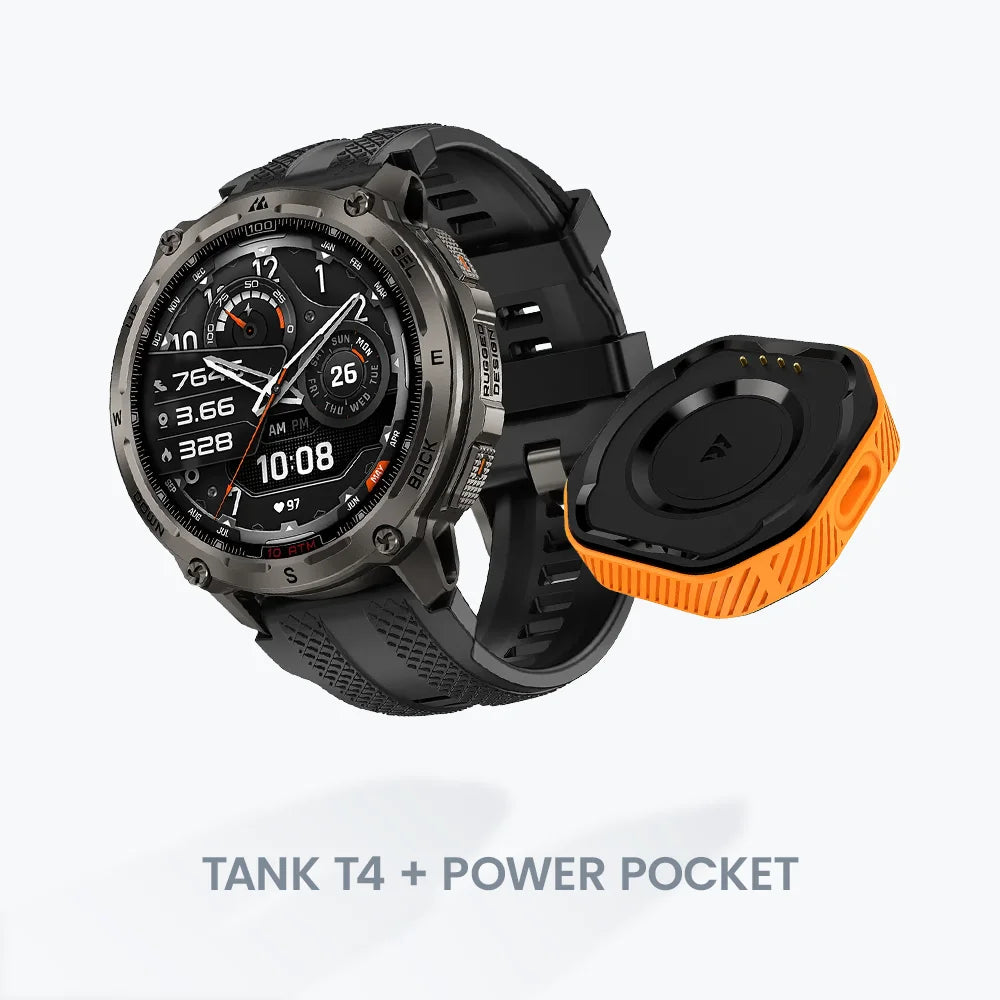
| KOSPET TANK T4 | Navigation & Running | Dual-Band (6-Satellite) | 32GB Offline Maps | 10 ATM & IP69K |
| KOSPET TANK T3 Ultra 2 | Endurance Tracking | Dual-Band (6-Satellite) | Route Back | 5 ATM & IP69K |
| Suunto Vertical 2 | Long Expeditions | Free Offline Maps | 32GB Storage | 10 ATM |
📢 Use code BLOG15 at checkout for an instant 15% discount on every outdoor smartwatch in this guide.
Conclusion
Choosing the right GPS smartwatch is about matching the device's satellite precision and battery life to your specific outdoor goals. If you mostly stick to city parks, a standard GPS model is perfect. However, if you plan to conquer mountains or explore deep forests, a rugged, dual-band device is the safer and more reliable choice.
FAQs
Does a GPS smartwatch require a monthly subscription fee?
No, the satellite signals used by these watches are free for everyone to access worldwide. You only pay for the watch itself.
Can I use the GPS features without a SIM card?
Yes, GPS is a one-way signal from space to your wrist and does not require a cellular data plan or a SIM card to function.
How accurate are these watches compared to professional gear?
High-end consumer GPS watches are usually accurate to within 3 to 5 meters. This is more than enough for sports, navigation, and fitness tracking.



Leave a comment
All comments are moderated before being published.
This site is protected by hCaptcha and the hCaptcha Privacy Policy and Terms of Service apply.