



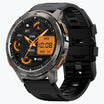
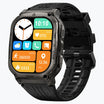

Running smartwatches are more than just fitness trackers; they offer sophisticated metrics that help athletes, especially runners, track their performance and make informed training decisions.
One of the most powerful metrics these devices measure is VO₂ max, which indicates how effectively your body uses oxygen during exercise.
In this article, we'll explore how running smartwatches estimate VO₂ max, why it's important for improving performance, and how you can use it to boost your running efficiency.
The Importance of VO₂ Max and Running Smartwatches
For runners, understanding and improving VO₂ max is essential for maximizing performance. VO₂ max is the maximal oxygen consumption your body can utilize during intense exercise.
The higher your VO₂ max, the more efficiently your cardiovascular system delivers oxygen to your muscles, which translates to better endurance and improved race times.
Running smartwatches have become an indispensable tool for athletes aiming to track and improve their VO₂ max. These devices collect data during runs and provide real-time feedback on performance, allowing runners to measure their cardiovascular fitness without needing expensive lab tests.
What is VO₂ Max and Why It Matters for Runners
VO₂ max is often described as the ultimate indicator of aerobic fitness. It reflects how much oxygen your body can take in, transport, and utilize during vigorous exercise. For runners, a higher VO₂ max means better endurance, faster recovery, and improved stamina during long-distance runs.
Increasing VO₂ max is crucial for improving running performance. A runner with a higher VO₂ max can run at a faster pace with less perceived effort, as their body becomes more efficient at using oxygen to produce energy.
It’s not just about running faster—it’s about sustaining the effort over longer distances without exhausting your body’s resources.
Improving VO₂ max involves consistent aerobic exercise, especially interval training and long-duration steady-state running. By tracking VO₂ max, runners can measure the effectiveness of their training and make adjustments to improve their endurance.
How Running Smartwatches Estimate VO₂ Max
Running smartwatch estimate VO₂ max using several key physiological metrics. Here's how they do it:
The Key Metrics:
- Heart Rate: Your heart rate is one of the most important factors in estimating VO₂ max. During exercise, the more intensely your heart beats in response to effort, the more oxygen your body is demanding. Smartwatches track your heart rate continuously to gauge your cardiovascular workload.
- Speed and Distance (via GPS): The pace at which you run and the distance covered are critical for determining VO₂ max. A runner who can maintain a higher speed over long distances is likely to have a higher VO₂ max, as it indicates their cardiovascular system can sustain higher levels of oxygen use over time.
- Cadence: Cadence refers to the number of steps you take per minute. A runner with efficient movement (a higher cadence) is likely to use less oxygen to cover the same distance. Smartwatches monitor cadence to assess running efficiency and help refine VO₂ max estimates.
- Personal Profile Data: Smartwatches often take into account personal data, such as age, weight, height, and gender. This helps adjust the VO₂ max estimate for individual factors that influence oxygen consumption, as these variables affect how oxygen is processed and utilized.
The Estimation Process:
Running smartwatches use proprietary algorithms to combine these data points—heart rate, pace, cadence, and personal factors. By continuously monitoring these factors during your run, the watch estimates your VO₂ max. Here's the basic logic behind the estimation:
- Heart Rate Response to Effort: As you run, your body demands more oxygen. The smartwatch tracks how your heart rate increases relative to the speed you're running. A more efficient cardiovascular system (i.e., a higher VO₂ max) will show a slower heart rate increase for the same speed.
- Pace and Distance: The faster you run at a given heart rate, the more oxygen your body is using to sustain that pace. Smartwatches compare your pace to your heart rate and adjust the VO₂ max estimate accordingly.
- Cadence and Efficiency: Efficient runners have a higher cadence and use less oxygen per step. The smartwatch tracks your cadence, helping to refine the VO₂ max estimate based on your movement efficiency.
- Algorithmic Adjustment: The smartwatch combines the above factors using an algorithm designed to approximate VO₂ max. These algorithms are based on research and data collected from thousands of runners, helping to create reliable estimates. While not as accurate as laboratory testing, these estimates provide valuable insights into your cardiovascular fitness.
Limitations:
It’s important to note that VO₂ max estimates on smartwatches are not perfect. They can be influenced by various factors such as external conditions (e.g., temperature, humidity), smartwatch placement on the wrist, and the quality of GPS data. However, for most runners, the smartwatch estimate offers a practical and reliable way to monitor fitness progress over time.
Using Running Smartwatches to Improve VO₂ Max

Once you have an understanding of your VO₂ max, you can use this data to fine-tune your training. The key to improving VO₂ max is consistently pushing your cardiovascular system through interval training and aerobic efforts.
Interval Training (HIIT):
High-Intensity Interval Training (HIIT) is one of the most effective ways to improve VO₂ max. These workouts alternate between intense bursts of exercise and recovery periods.
By doing HIIT, you train your body to use oxygen more efficiently during periods of high exertion. A running smartwatch can track your heart rate during these intervals and ensure you're hitting the intensity needed to boost your VO₂ max.
Steady-State Runs:
Long, steady-state runs at a moderate pace help increase your aerobic capacity and endurance.
These runs are crucial for improving your VO₂ max over time. Running smartwatches can track your pace and heart rate during these runs, giving you real-time feedback on your effort levels and VO₂ max progress.
Recovery:
A good recovery period after high-intensity training is essential for improving VO₂ max. Smartwatches track your recovery heart rate and give you insights into how well your body is bouncing back from exertion. Recovery data can help you adjust your training to prevent burnout and ensure consistent improvement.
By using these insights from your smartwatch, you can make targeted adjustments to your training, ensuring that you are consistently improving your VO₂ max.
Key Features to Look for in Running Smartwatches for VO₂ Max Tracking
When choosing a running smartwatch for VO₂ max tracking, look for the following features:
- Accurate Heart Rate Monitoring: Since heart rate is crucial for VO₂ max estimation, choose a smartwatch with reliable heart rate tracking, especially during high-intensity exercises.
- GPS Precision: GPS data is necessary for tracking your pace and distance, which are key factors in estimating VO₂ max.
- Long Battery Life: For long training sessions, you’ll want a smartwatch that lasts throughout your workout, especially if you’re using GPS or heart rate monitoring.
- Comfort and Fit: The smartwatch should be lightweight and comfortable enough to wear for extended periods, especially during long runs.
Tips for Accurate VO₂ Max Data
To get the most accurate VO₂ max data from your running smartwatch, follow these tips:
- Wear the watch properly: Ensure that the watch is snug but not tight on your wrist. If it’s too loose, the sensors may not get accurate heart rate readings.
- Use a chest strap: For the most accurate heart rate readings, consider using a heart rate monitor chest strap along with your smartwatch. This provides more reliable data during high-intensity runs.
- Warm-up properly: Start your workout with a good warm-up. This prepares your cardiovascular system and helps ensure that your heart rate data is accurate during your run.
- Run outdoors: GPS tracking is more accurate when running outdoors. If you're training indoors, be aware that the data may not be as precise, especially for VO₂ max estimation.
By following these guidelines, you can optimize your smartwatch experience and ensure that you’re getting the most accurate and useful VO₂ max data.
Conclusion
VO₂ max tracking is a powerful feature for runners looking to improve their performance. By using a running smartwatch, you can track your VO₂ max over time, identify areas for improvement, and adjust your training to maximize endurance and speed.
Smartwatches provide an accessible way to measure cardiovascular fitness, giving you the data you need to take your running to the next level.
Whether you’re training for a marathon or simply looking to improve your overall fitness, VO₂ max tracking with a running smartwatch can help you achieve your goals. Start using this feature today to better understand your body’s limits and unlock your full running potential.
FAQs
How accurate is VO₂ max tracking on a smartwatch?
While not as accurate as lab testing, VO₂ max estimates from smartwatches are reliable enough to track your fitness progress and guide training adjustments.
Can VO₂ max be estimated during indoor runs?
Yes, VO₂ max can be estimated indoors, but GPS accuracy may be lower. Using a heart rate monitor strap can improve data accuracy.
What factors affect VO₂ max data on my running watch?
Environmental factors like temperature, humidity, and the fit of the watch can impact VO₂ max estimations. GPS data quality also plays a role.


Leave a comment
All comments are moderated before being published.
This site is protected by hCaptcha and the hCaptcha Privacy Policy and Terms of Service apply.