



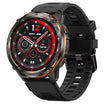
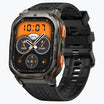
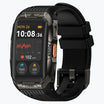
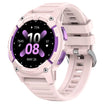
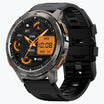
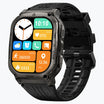
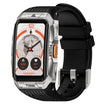
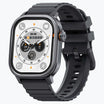
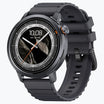
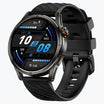
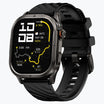

Yes, you can find durable smartwatches under $300 that offer Bluetooth calling, long battery life, and outdoor protection. The key is choosing a watch that proves its value through real specs, not just a tough-looking case.
A good durable smartwatch should solve five problems at once. It should handle rough use, last through long days, support calls from the wrist, track daily activity, and feel solid enough for everyday wear. That matters for users who do not want a delicate smartwatch, short battery life, weak sensors, or a plasticky design.
Durable Smartwatches Under $300: Quick Comparison
KOSPET smartwatches under $300 cover different needs, so the right choice depends on how you use your watch most often. Some users need a tougher workday watch. Some need stronger GPS battery. Others care more about calls, fitness tracking, or a more solid feel.
| Model | Better For | Call Support | Battery Focus | Main Reason to Consider |
|---|---|---|---|---|
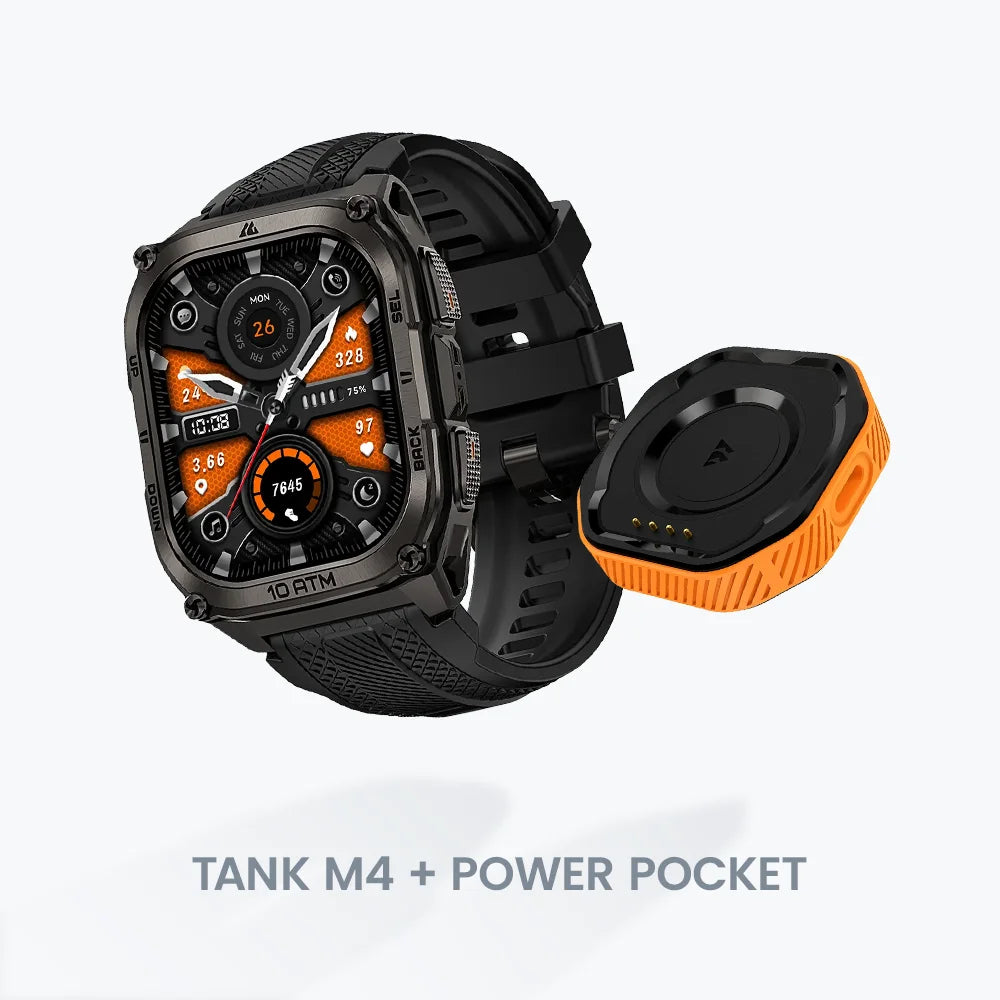
| KOSPET TANK M4C | Rough work and outdoor use | Built-in speaker/mic | Up to 13–16 days; 18–21h GPS | Large square display, utility tools, rugged build |
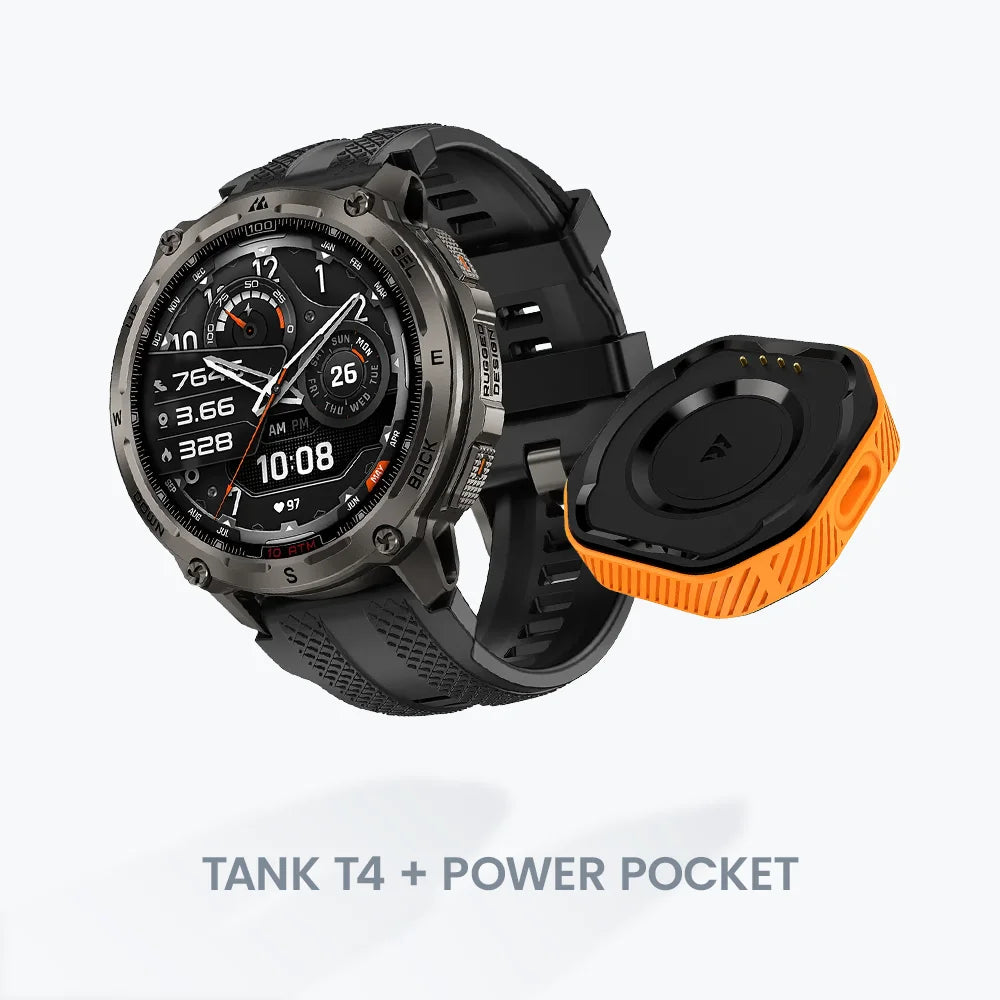
| KOSPET TANK T4 | GPS training and outdoor routes | Bluetooth 5.3 call support | 14–15 days; 21–22h GPS | Offline maps, GPX/KML route import, long GPS battery |
| KOSPET TANK T4C | Daily calls and notifications | Direct BT calling | Up to 12–15 days; 21h GPS | Round design, calls, alerts, workday tools |
| KOSPET TANK M3 Ultra | Health and sports tracking | Bluetooth calls | Up to 15 days | 170+ sports modes, dual-band GPS, 5ATM/IP69K |
| KOSPET TANK T3 Ultra 2 | Solid feel and value | Bluetooth calls | Up to 15 days; 35h GPS | Stainless steel body, Gorilla Glass 3, long battery |
The main difference is not which model has the longest feature list. The real question is which one solves your biggest concern: rough use, GPS battery, calls, tracking, or build feel.
Can a Durable Smartwatch Under $300 Handle Rough Use?
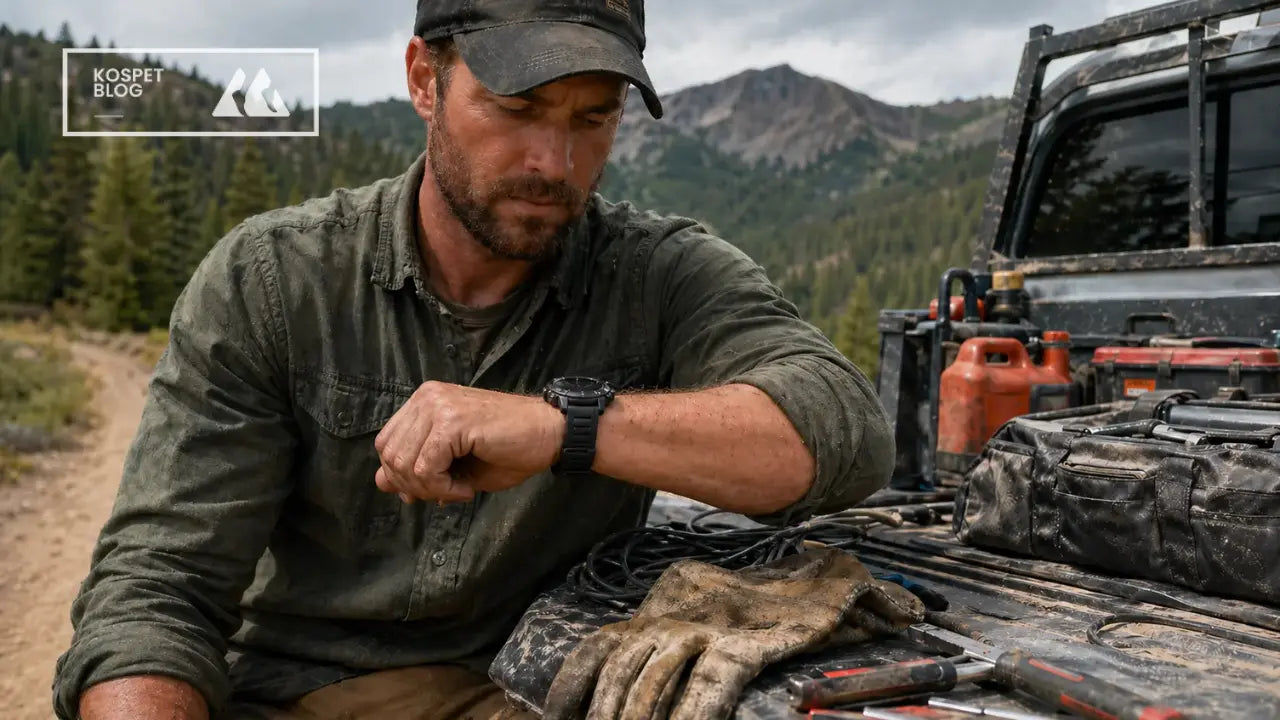
A durable smartwatch under $300 can handle rough use when it is built for water, dust, impact, dirty hands, and outdoor visibility. A thick case alone does not prove durability. The watch needs the right protection and design for the way people actually use it.
For rough daily use, users should look at these needs first:
- For rain, sweat, mud, and rinsing: choose a watch with clear water and dust protection, such as 5ATM, 10ATM, or IP69K. This matters for outdoor work, fishing, hiking, garage tasks, and wet hands.
- For bumps and tool contact: look for a reinforced case, a stronger bezel, and tougher screen glass. A watch used around tools, rocks, bikes, trucks, or outdoor gear needs more than a soft plastic shell.
- For wet or dirty hands: physical buttons are important. Touchscreens can be harder to use when hands are sweaty, dusty, or gloved.
- For outdoor reading: screen brightness matters. A bright AMOLED display makes it easier to check time, calls, alerts, and workout data in sunlight.
- For long rough days: battery life still matters. A rugged watch is less useful when it needs charging too often.

KOSPET TANK M4C fits this need because it combines rough-use design details such as a stainless steel bezel, zinc alloy body, four physical buttons, 5ATM/IP69K protection, Gorilla Glass 3, and a 1.96-inch AMOLED display with up to 1,000 nits brightness. These specs support rough daily use instead of only giving the watch a rugged look.
Will the Battery Last Through GPS and Long Outdoor Days?
A long battery smartwatch should be judged by how it performs during real use, not by one large battery number. A watch may last many days in normal use, but GPS tracking, bright screen use, calls, notifications, and always-on display can drain power faster.
For outdoor training and long days, users should check these battery needs:
- For daily wear: look at typical battery life. This shows how long the watch may last with normal use, notifications, health tracking, and casual workouts.
- For hard daily use: look at heavy-use battery life. This is closer to users who train often, use more alerts, check the screen frequently, or keep health tracking active.
- For always-on display: check AOD battery life. AOD makes the watch easier to glance at, but it usually shortens battery life.
- For running, hiking, and cycling: check continuous GPS battery life. This is more important than standby time for outdoor users.
- For route-based training: offline maps and GPX/KML route import matter because they help users follow a planned route, not just record distance afterward.

KOSPET TANK T4 is made for users who do not want their GPS watch dying halfway through a long outdoor day. Its battery numbers are useful because they separate normal wear from real training use:
- 14–15 days for typical daily use
- 9–10 days for heavier use
- 5–6 days with always-on display
- 21–22 hours of continuous GPS tracking
This helps users understand what the watch can handle in real life. Daily wear, outdoor runs, long hikes, and GPS sessions do not drain the battery in the same way.
Can You Take Calls Without Giving Up Battery Life?
A durable smartwatch under $300 usually handles calls through Bluetooth, not standalone LTE. This is important because Bluetooth calling is more realistic for this price range. It lets users answer or manage calls from the wrist when the phone is nearby, while keeping the watch more affordable and battery-friendly.
For daily calls and notifications, users should check these needs:
- For call use: the watch should have a built-in speaker and microphone. Call alerts alone are not enough.
- For stable connection: Bluetooth version and connection quality matter. A weak connection makes calls less useful.
- For work or driving: call notifications should be easy to see and answer quickly. Users may not have time to unlock a phone.
- For quick replies: Android call quick reply or message reminders can save time during busy moments.
- For battery balance: Bluetooth calling is usually a better fit than LTE for users who want long battery life under $300.

KOSPET TANK T4C fits this need because it supports direct Bluetooth calling from the wrist, a built-in speaker and microphone, Bluetooth 5.3, phone call notifications, SMS reminders, app notifications, and Android call quick reply. These features match the daily-call need without moving the watch into LTE smartwatch territory.
Bluetooth calling does not mean the watch has its own phone service. The phone normally needs to stay connected. For many users under $300, that is the better trade-off because it keeps the watch practical for calls without giving up the long-battery advantage.
Will the Sensors Be Reliable Enough for Daily Tracking?
A durable smartwatch also needs useful tracking data, or it becomes only a tough-looking watch. Users who care about workouts, steps, heart rate, sleep, and outdoor activity need data that is easy to check and useful for daily reference.
For health and sports tracking, users should check these needs:
- For workout effort: heart rate tracking helps users see how hard they trained.
- For outdoor routes: dual-band GPS and multiple satellite systems help with running, hiking, cycling, and route records.
- For sports variety: more sports modes help the watch show data that fits the activity, not just generic calories and steps.
- For recovery habits: sleep tracking helps users review rest patterns.
-
For daily wellness: stress tracking and activity data give users a simple picture of daily routine.

KOSPET TANK M3 Ultra fits this need because it brings together 170+ sports modes, dual-band GPS with six satellite systems, heart rate tracking, sleep tracking, stress tracking, 5ATM/IP69K protection, and up to 15 days of battery life.
The goal is not medical-level accuracy. The goal is useful daily reference data that helps users review workouts, compare activity, and understand their routine better.
Does It Feel Solid or Just Look Rugged?
A rugged smartwatch should feel solid on the wrist, not just look strong in product photos. Many users do not want a watch that feels hollow, plasticky, or cheap after a few days of wear.
For better build quality, users should check these details:
- For a stronger case feel: stainless steel or metal-reinforced materials help the watch feel less like a plastic gadget.
- For screen protection: tough glass matters because the screen takes daily contact from tools, walls, gear, bags, and outdoor surfaces.
- For outdoor readability: a bright AMOLED display helps users check data without hiding the screen from sunlight.
- For control confidence: firm physical buttons make the watch feel more dependable during workouts or rough use.
- For long-term comfort: the watch should feel solid without feeling clumsy. Weight, strap, case shape, and button placement all matter.
- For daily trust: water resistance, dust protection, and durability testing make the watch feel ready for real use, not just casual wear.

KOSPET TANK T3 Ultra 2 fits this need because it uses a stainless steel body, Corning Gorilla Glass 3, a 1.43-inch AMOLED always-on display, up to 1,000 nits brightness, 5ATM/IP69K protection, MIL-STD-810H durability, Bluetooth calling, and up to 15 days of battery life.
This makes the product useful for users who want a durable smartwatch that feels more solid and less plasticky without moving beyond the $300 range.
Conclusion
The right durable smartwatch under $300 should match the part of your day that puts the most pressure on the watch. Rough work needs water protection, dust resistance, tougher materials, physical buttons, and a readable screen.
Outdoor training needs GPS battery, dual-band positioning, satellite support, and route tools. Daily calls need Bluetooth calling, speaker, microphone, call alerts, and quick reply.
Health tracking needs heart rate, sleep, stress, sports modes, and outdoor activity records. Better build quality needs stronger materials, tough glass, clear display, and solid button feel.
FAQs
Can durable smartwatches under $300 make calls?
Yes. Many durable smartwatches under $300 support Bluetooth calling. Users should check for a built-in speaker, microphone, call notifications, and quick reply support. These details show whether the watch can actually help with daily calls.
What battery specs matter most for outdoor use?
Daily battery life and continuous GPS battery life matter most. Daily battery shows normal wear time. GPS battery shows how long the watch can track outdoor routes. Always-on display, calls, notifications, and bright screen use can shorten real battery life.
What specs matter for rough daily use?
For rough daily use, check water resistance, dust protection, case material, screen glass, physical buttons, and outdoor screen brightness. These details matter more than a thick case.
Are smartwatch health features medical-grade?
No. Smartwatch health features are for daily wellness and fitness reference. They can help users review heart rate, sleep, stress, workouts, and activity trends, but they should not replace medical tools or professional advice.



Leave a comment
All comments are moderated before being published.
This site is protected by hCaptcha and the hCaptcha Privacy Policy and Terms of Service apply.