



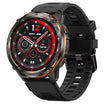
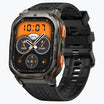
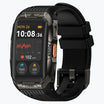
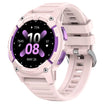
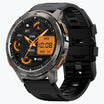
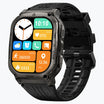
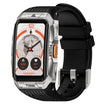
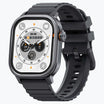
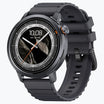
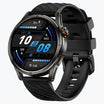
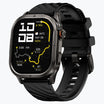
A running smartwatch for beginners must prioritize high-fidelity GPS accuracy and reliable heart rate monitoring to build a valid data foundation for long-term training. You do not need a thousand professional features to start a fitness journey.
Most new runners find that a dedicated watch helps them stay motivated because it turns physical effort into clear, reachable numbers.
Instead of carrying a heavy phone in your hand, a wearable device sits on your wrist and tracks your progress automatically. Choosing the right one in 2026 means finding a balance between sensor quality and a price that fits your budget.
The Core Benefits of a Running Smartwatch for Beginners
Wearing a dedicated watch helps you build a lasting habit by making your physiological progress visible and objective. When you see your distance and pace on your wrist, you get an immediate sense of achievement after every mile.
This feedback loop is a powerful tool for staying consistent over many months. According to reports on exercise psychology, seeing small wins every day makes it much easier to keep going even when you feel tired.
A smartwatch improves your safety and prevents the common beginner mistake of overtraining. Many new runners start at a pace that is too fast, which can lead to rapid burnout or painful injuries. A heart rate monitor acts as a digital coach that alerts you if your pulse exceeds a safe threshold.
- Real-time Intensity Control: You can see exactly how hard your heart is working at any moment.
- Injury Prevention: Staying in lower "Zone 2" heart rate intervals helps you build endurance without overstraining your muscles.
- Energy Management: Data helps you understand when to transition to walking to avoid total exhaustion.
Using a wearable device facilitates mental decoupling by removing the constant distractions of a smartphone. Phones are heavy and often interrupt your workout with notifications from social media or work.
A running watch offers a clean training environment where you can focus entirely on your breathing and running form. This separation makes running feel like a refreshing break from your busy life rather than another chore on your to-do list.
Essential Features Every Entry-Level Running Watch Needs
Reliable dual-band GPS is the most critical feature for tracking your distance and speed accurately in 2026. You want a watch that connects to satellites quickly so you do not have to wait on the sidewalk before starting your workout.
- Multi-GNSS Support: Quality beginner watches now use multiple satellite systems to ensure the watch knows your location even in dense cities.
- Pace Precision: This technology prevents the "jagged" pace data that often occurs when running near tall buildings or under thick trees.
Wrist-based heart rate monitoring is mandatory for understanding your physiological response to exercise stress. This sensor uses light on the back of the watch to check your pulse through your skin.
While it is not as perfect as a medical chest strap, it is accurate enough for almost every beginner runner. Knowing your heart rate allows you to practice zone training, which is the most efficient way to increase your fitness level safely.
Extended battery life prevents the frustration of a dead device when you are prepared to train. A professional beginner watch should last at least one week on a single charge. If you have to charge your watch every night like a phone, you are more likely to forget to wear it. Statistics from wearable tech reviews show that runners who use devices with 7–14 days of battery life are much more likely to track every single workout.
Premium Specs New Runners Should Skip to Save Money
Advanced running dynamics and high-end topographic navigation are often too complex for the early stages of training. Most beginners run on familiar neighborhood streets or local park trails where expensive mapping features are unnecessary.
- Skip Complex Metrics: You do not need to measure "ground contact time" or "vertical oscillation" yet; these are for elite athletes looking for tiny mechanical gains.
- Avoid Luxury Materials: Titanium and sapphire glass add aesthetic value and cost, but they do not improve your running performance or comfort.
- Ignore Solar Charging: Unless you spend many hours in direct sunlight every day, the extra cost is rarely worth the very small boost in battery life.
Best Running Smartwatches for Beginners: 2026 Top Picks
Selecting the right model depends on whether you prioritize lightweight performance, rugged durability, or daily smart features. The following table compares the most reliable entry-level choices available in 2026 based on key technical specifications.
| Model | Best For | Key Technical Edge | Battery (GPS Mode) | Weight |
|---|---|---|---|---|
| Garmin Forerunner 165 | Ease of Use | AMOLED screen & Firstbeat Analytics | 19 Hours | 39g |
| COROS Pace 4 | Performance | Dual-frequency GPS & 32g ultralight body | 38 Hours | 32g |
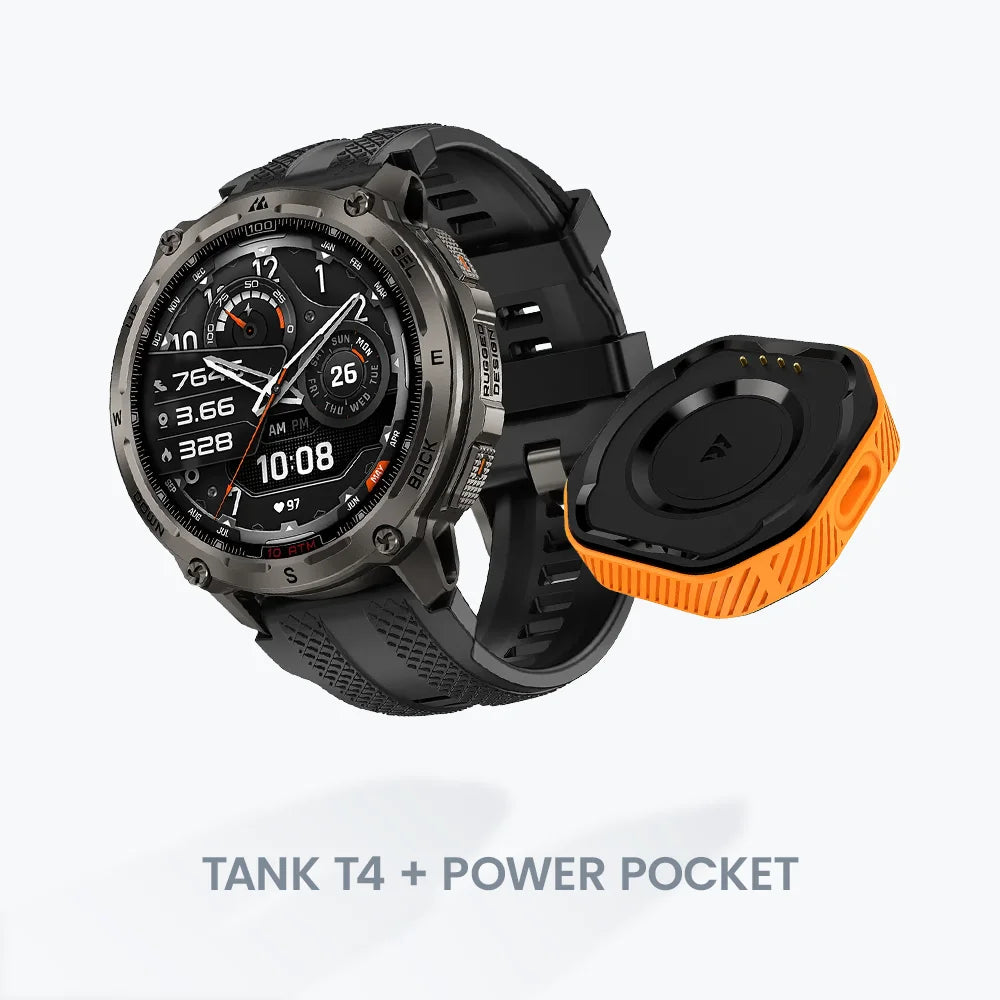
| Kospet Tank T4 | Rugged Utility | 10 ATM rating & 32GB music storage | 22Hours | 77g |
| Apple Watch SE 3 | iPhone Users | Seamless iOS integration & "Active AI" | 7 Hours | 33g |
| Suunto Run | Minimalist | Precision OHR sensor & clean interface | 22 Hours | 36g |
Design Factors That Help You Stay Consistent with Your Training
Comfortable ergonomics are more important for consistency than the aesthetic design of the watch. If a watch is too heavy or the strap causes skin irritation, you will eventually stop wearing it.
- Weight Threshold: Most beginners prefer a watch under 45 grams so it feels "invisible" while moving.
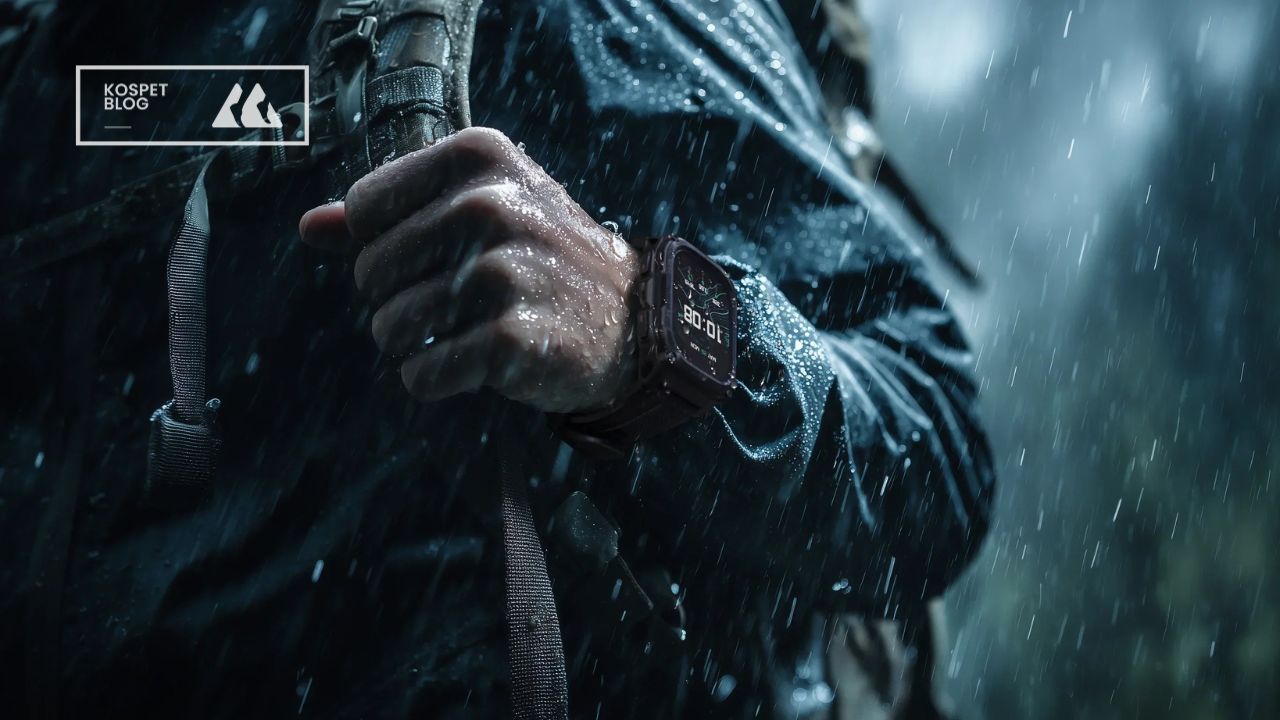
- Rugged Selection: For those running in harsh weather or trail environments, a heavier watch like the Kospet Tank T4 is better because its stainless steel build handles impact and moisture more effectively.
- 24/7 Wearability: A comfortable watch allows for sleep tracking, which is essential for understanding your body's recovery state.
Physical button layouts are professionally superior to touchscreens during high-intensity exercise. When your hands are sweaty or it is raining outside, touchscreens often fail to respond to commands.
- Tactile Control: Five-button layouts allow you to start, stop, or record laps by feel without looking at the screen.
- Reliability: Physical buttons work perfectly with gloves, making them the better choice for year-round training in all climates.
Leveraging Your Device to Transition to Systematic Training
Utilizing adaptive coaching programs transforms your watch from a simple data recorder into a proactive personal coach. Most 2026 smartwatches include software that analyzes your historical data to suggest daily workouts. This takes the confusion out of training and ensures you increase your mileage slowly enough to avoid common injuries like shin splints.
Recovery scores tell you exactly when to push your limits and when to prioritize a rest day. Modern watches analyze your heart rate variability (HRV) and sleep quality to calculate your "Readiness Score." If your watch shows a low recovery score, you should choose a light walk instead of a hard run. Listening to these digital cues helps you avoid the beginner's trap of overtraining, which is the leading cause of fitness abandonment.
Conclusion
The most effective running watch is the one that provides the most reliable data with the least amount of technical friction. For a beginner, the primary goal is to stop thinking about the technology and start focusing on the movement. By investing in a device with high-quality sensors and a comfortable fit, you ensure that every mile you run is accurately recorded. As your fitness grows, this data becomes the blueprint for your first race and the foundation of a healthier lifestyle.
FAQs
Is a cheap fitness tracker enough for a beginning runner?
Most basic trackers lack built-in GPS and rely on your phone for distance data. For real progress and better data integrity, a dedicated GPS watch is much more effective and accurate.
Why is my heart rate data sometimes inaccurate at the start of a run?
This is often caused by "cadence lock," where the sensor mistakes your arm swing for your pulse. To fix this, ensure the strap is snug and positioned one finger-width above your wrist bone before moving.
Do I need to pay for a monthly subscription for these features?
Most professional brands like Garmin, COROS, and Kospet provide their mobile apps and coaching plans for free. Always check if the specific "AI coaching" features require a secondary fee before purchasing.


Leave a comment
All comments are moderated before being published.
This site is protected by hCaptcha and the hCaptcha Privacy Policy and Terms of Service apply.