

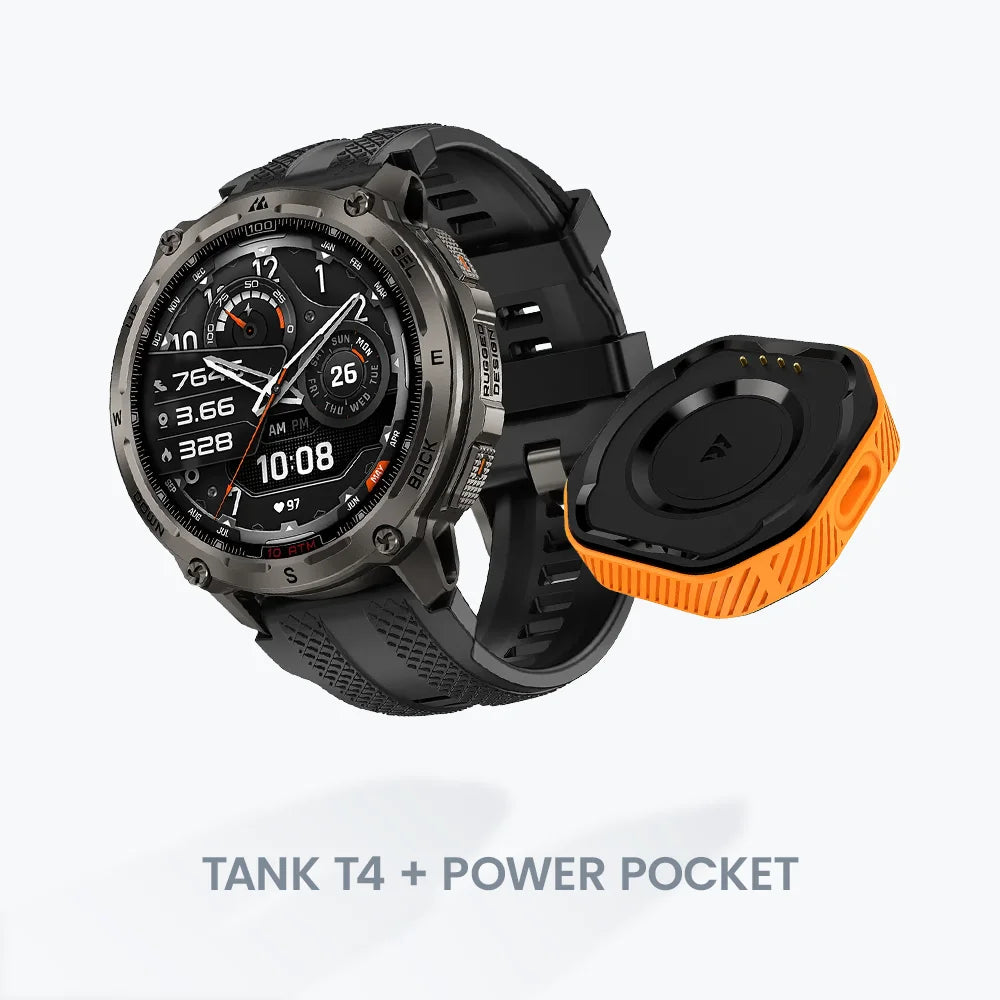
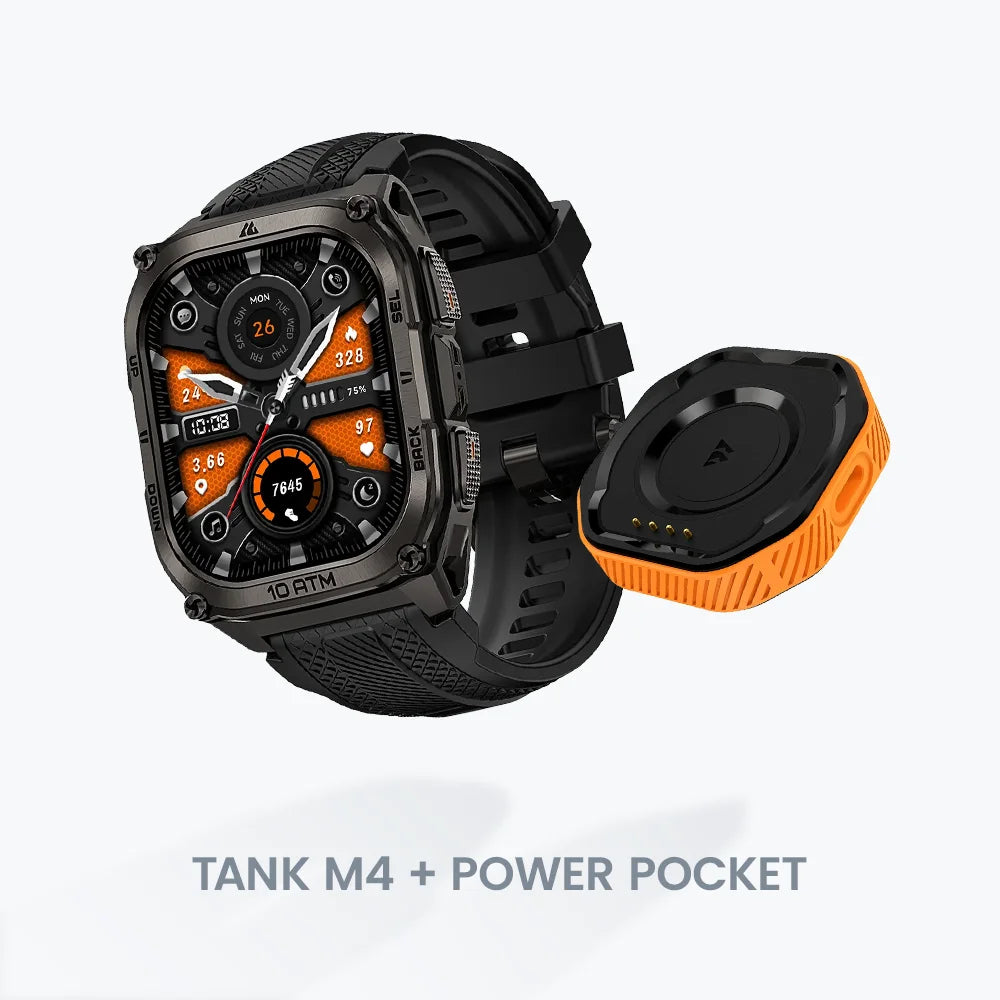


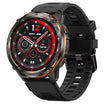
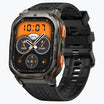
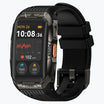
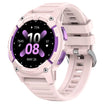
A high capacity battery is the best choice for an outdoor watch for long battery life because it provides a predictable amount of power in every environment. Many hikers and runners worry that their watch will die before they finish their adventure.
This battery anxiety is a real problem that can make a trip feel stressful instead of fun. While solar power sounds like a modern solution, it has many physical limits that are rarely discussed.
This guide explains why the physical size of a battery is the most important factor for your safety and success in the wilderness.
Why Battery Capacity is Your First Priority
Battery capacity is the first priority because it determines exactly how many hours of GPS tracking you can use. We measure this capacity in milliamp hours or mAh. This number is like the fuel tank in a car.
Most standard smartwatches have a small battery of 200 to 300 mAh. In contrast, a high capacity outdoor watch often has 500 to 700 mAh. This difference is very important when you use a GPS sensor.
Quantifying your energy needs helps you plan your trip without guessing:
- GPS Power Draw: A standard GPS chip uses between 10 and 20 mAh every hour.
- Small Battery (300 mAh): This watch will use half of its power in just 10 hours of hiking. It will likely die before the second day starts.
- Large Battery (500 mAh): This watch can track a 10 hour hike and still have over 70 percent of its power left.
This extra power ensures your map stays on if you get lost or if your hike takes longer than you planned.
The Solar Myth: Why 50,000 Lux Matters
Solar charging is often misunderstood because it requires perfect conditions to provide any real energy. Many people believe that any light will charge their watch. This is not how the technology works in the real world.
Scientists measure light brightness in units called lux. For a solar watch to charge at a helpful speed, it must receive at least 50,000 lux of direct sunlight. This level of brightness only occurs on a perfectly clear day with the sun hitting the watch face at a direct angle.
Using hiking conditions rarely provide the 50,000 lux needed for effective charging. If you are walking through a forest, the trees block most of the sun. The light level under trees is often only 500 to 1,000 lux.
This level is far too low to charge a battery. Even on a cloudy day, the light is usually around 10,000 lux. Engineering reports show that the solar panels on watches are very small. Because they are so small, they cannot collect enough light to keep up with the high energy drain of a GPS. You should not rely on the sun to save your battery if you are hiking in the woods or during the winter.
The mAh Advantage in Extreme Environments
Large batteries are more reliable because they act as a power buffer during cold weather adventures. A battery does not care about the clouds or the time of day. It only cares about how much energy is stored inside. We use the mAh number to measure this stored energy.
High capacity batteries provide a steady flow of electricity that never changes based on the weather. This certainty allows you to look at your watch and know exactly how many days of life remain. This is very important when you are deep in the mountains and far away from any power outlet.
High capacity batteries also perform much better when temperatures drop below freezing. Extreme cold makes the chemicals inside a battery move much more slowly. This causes a loss of voltage and can make a small battery shut down without warning. Research from industry experts explains that a lithium battery can lose 20 percent or more of its capacity in the cold.
If you have a small 300 mAh battery, a 20 percent loss leaves you with very little power. However, if you have a larger 700 mAh battery, you still have 560 mAh left after the loss. This larger capacity ensures the watch keeps working even in the toughest winter conditions.

How Display Choice Impacts Battery Performance
The type of screen on your watch is the biggest consumer of power after the GPS sensor. Traditional outdoor watches use a screen called MIP which uses very little electricity.
These screens stay clear in bright light but they can be very dim at night. Newer watches use AMOLED screens which are bright and colorful like a smartphone. These screens are much easier to see but they use a lot more milliamps. A bright AMOLED screen can use 20 to 30 mAh per hour if it stays on all the time.
A high capacity battery gives you the freedom to use a bright screen without losing your map. When you can see your map clearly on a high quality screen, you make decisions much faster.
You do not have to stop walking to stare at a dim wrist display. A watch with a high mAh rating can support a bright screen for several days of hiking. A watch with a small battery would die in less than 10 hours with the same screen settings. A big battery allows you to have the best display technology while still maintaining a long battery life.
Which Technology Should You Choose?
You should choose your watch technology based on the location where you spend most of your time. Solar technology is a helpful extra feature if you live in a desert with no shade. In those dry places, the sun hits your wrist for many hours every day.
However, most people do their hiking in forests, valleys, or areas with many clouds.
The Outdoor Industry Association reports that the majority of outdoor activities happen in these low light environments. In these places, a solar watch will not add much power to your battery.
| Feature | Solar Powered Watch | Big Battery Watch (High mAh) |
|---|---|---|
| Best Environment | Deserts and open plains | Forests, mountains, and cities |
| Reliability | Depends on the weather | Always the same |
| GPS Tracking Time | Can vary by light levels | Fixed and predictable |
| Screen Options | Often dim to save power | Can be bright and colorful |
Conclusion
A high capacity battery is the true winner for any outdoor watch for long battery life. Reliable gear must be something you can trust every time you leave your home. You should never have to hope for a sunny day just to keep your navigation system working.
A physical battery gives you energy that stays steady during your most difficult trips. It keeps your GPS active and your mind calm. When you are deep in the wilderness, the certainty of a big battery is the best tool you can carry on your wrist.
FAQ
How long will a 700mAh battery last during GPS tracking?
A 700mAh battery can usually support 40 to 60 hours of continuous GPS use. This is much longer than a standard smartwatch which often dies in less than 15 hours.
Can a solar watch charge while I am hiking in a forest?
No, a solar watch cannot charge effectively in a forest. It needs 50,000 lux of direct sunlight but forests usually provide less than 1,000 lux.
Do large batteries die faster in the snow?
Large batteries lose some energy in the cold but they do not die fast. Their big capacity provides a safety buffer that keeps the watch running while smaller batteries might shut down.


Leave a comment
All comments are moderated before being published.
This site is protected by hCaptcha and the hCaptcha Privacy Policy and Terms of Service apply.