



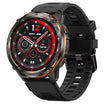
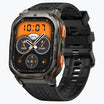
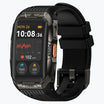
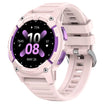
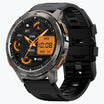

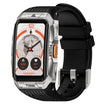
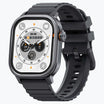
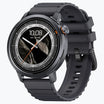

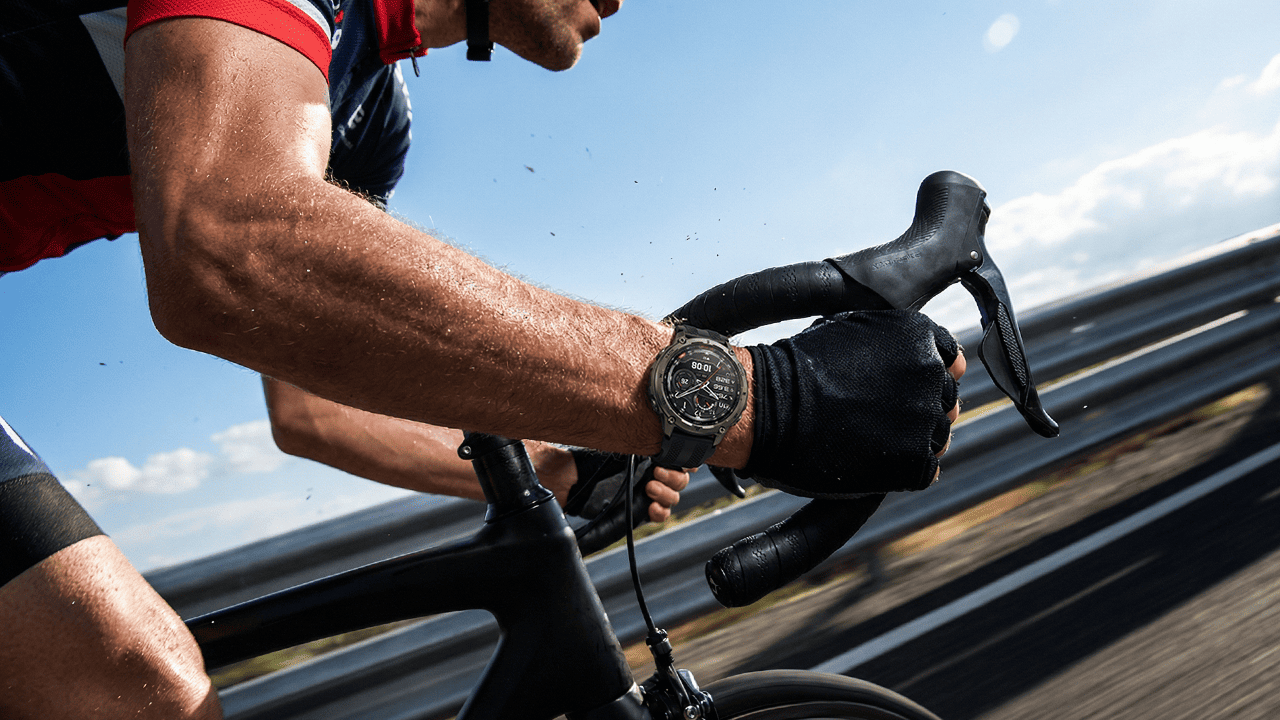
Red marks and itchy skin often appear after wearing a watch for several hours. This reaction is rarely caused by the silicone material itself. The medical name for this issue is contact dermatitis.
It happens when sweat and soap residue stay trapped against your arm. Your skin reacts to these trapped substances instead of the strap. Managing moisture and cleanliness will keep your skin healthy while you use your sports watch.
Why Your Sports Watch Might Be Causing a Rash
Silicone is popular for a sports watch because it is waterproof and durable. However silicone is not a breathable material. It creates a tight seal that holds body heat and moisture against your wrist.
This environment breaks down your skin barrier. Your skin barrier is a protective layer that blocks germs. Long exposure to sweat softens this layer. Dead skin cells and natural oils then mix with the sweat to create an irritant. As you move your arm the strap rubs this mixture into your pores. This physical friction leads to redness and small bumps.
Bacteria also trigger skin problems. Tiny organisms grow fast in warm and damp places. The space under your watch strap provides the perfect environment for them. When bacteria multiply they cause itching and inflammation. A red ring often appears exactly where the strap touches the skin.

Keep It Dry: The Importance of Post-Workout Hygiene
Wet skin is weaker and more prone to damage than dry skin. Exercise produces sweat which contains salts and minerals. When the water in sweat dries up the salt stays on your wrist. These salt particles have a gritty texture like sandpaper. They scratch the surface of your skin every time the watch moves.
Dry your wrist and your sports watch immediately after every workout. Wiping the outside of the watch is insufficient. You must remove the device to reach the moisture underneath. Leaving water there leads to skin maceration. Maceration is when skin becomes white and soggy. This type of skin breaks and develops infections very easily.
Practical Tips for Dryness
- Remove your watch after any activity that causes sweating.
- Use a clean towel to pat your wrist dry.
- Do not rub the skin because rubbing causes more irritation.
- Ensure the strap is completely dry before wearing it again.
- Take off the watch while washing your hands to keep soapy water out.
How to Clean Your Silicone Strap Properly
Water alone cannot remove the oils and bacteria that build up on a sports watch. A thin layer of old oils forms on the silicone over time. This layer causes bad smells and skin reactions. Regular cleaning removes these irritants before they damage your skin.
Use a mild soap free cleanser to wash your strap. Regular hand soaps often have perfumes or strong chemicals. These chemicals get stuck in the tiny pores of the silicone. When you sweat these chemicals leak back onto your wrist and cause a chemical burn. A soap free cleanser is safer for sensitive skin.
Cleaning Steps
- Clean your strap at least once a week.
- Wash the strap after every heavy workout.
- Use warm water and a tiny amount of mild cleanser.
- Scrub the inside of the strap with a soft cloth.
- Rinse the strap under running water for thirty seconds to remove all soap.
- Let the strap air dry in a well ventilated area.
Finding the Perfect Fit for Your Sports Watch
Watch fit directly affects skin health. Many users wear straps too tight to get a clear heart rate reading. A very tight strap stops blood flow and blocks air. It also forces the strap to press hard against the skin barrier.
A very loose strap also causes issues. When a sports watch slides up and down your arm it creates constant friction. This friction creates heat and damages the skin surface. You must find a balance to prevent these problems.
Fitting Tips
- Use the one finger rule for daily wear.
- One finger should fit easily between the strap and your wrist.
- Tighten the strap by only one notch during exercise to keep sensors steady.
- Loosen the strap immediately after your workout ends.
- Move the watch slightly up or down your forearm to avoid pressing on the same spot.
Switch It Up: Give Your Wrist a Break
Your skin needs time to recover from pressure and moisture. Wearing a watch twenty four hours a day is a mistake. Constant pressure on the same area leads to sensitivity.
The best time to rest your wrist is during sleep. Leave the watch on your nightstand unless you must track your sleep. This gives your skin several hours to shed dead cells and stay balanced.
Resting Tips
- Switch the watch to your other wrist every few days.
- Take the watch off while sitting at a desk or watching television.
- Do not wear the watch in the shower.
- Showering allows steam and soap residue to collect under the strap.
- Give your skin thirty minutes of air exposure after you exercise.
When to Consider Alternative Watch Bands
Some people have unique skin types that cannot handle the heat trapped by silicone. In these cases the design of the material is the problem. You may need a strap that allows more air to reach your skin.
Look for silicone straps with rows of holes. These holes allow sweat to evaporate quickly. If these still cause issues you should change the material.
Nylon fabric straps are an excellent alternative. Nylon is breathable and soft. It does not create a suction effect against the skin. Nylon absorbs sweat so it requires frequent washing. Leather is another option for daily wear but it is not for exercise. High quality fluoroelastomer is also a good choice. It feels like silicone but stays cleaner and resists heat better.
FAQs
Can I use rubbing alcohol to clean my silicone strap?
No. Alcohol can damage the silicone material and make it brittle over time. Use warm water and a mild, soap-free cleanser instead to protect both the strap and your skin.
How often should I clean my sports watch strap?
Clean your strap at least once a week for regular use. You must also wash it after every workout to remove sweat, salt, and bacteria that cause skin irritation.
Why does the skin under my watch look white and soggy?
This condition is called maceration. It happens when moisture stays trapped against your skin for too long. Take off the watch and dry your wrist immediately to allow your skin to recover.



Leave a comment
All comments are moderated before being published.
This site is protected by hCaptcha and the hCaptcha Privacy Policy and Terms of Service apply.