

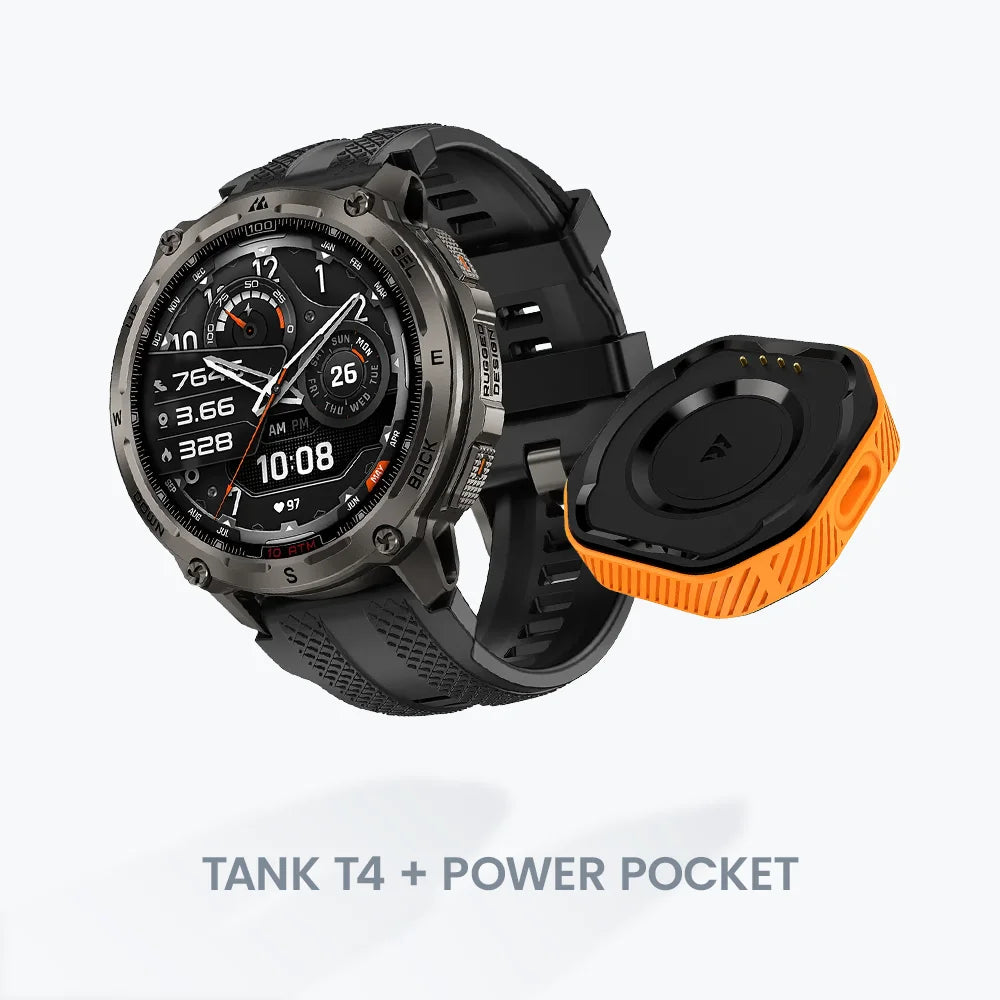
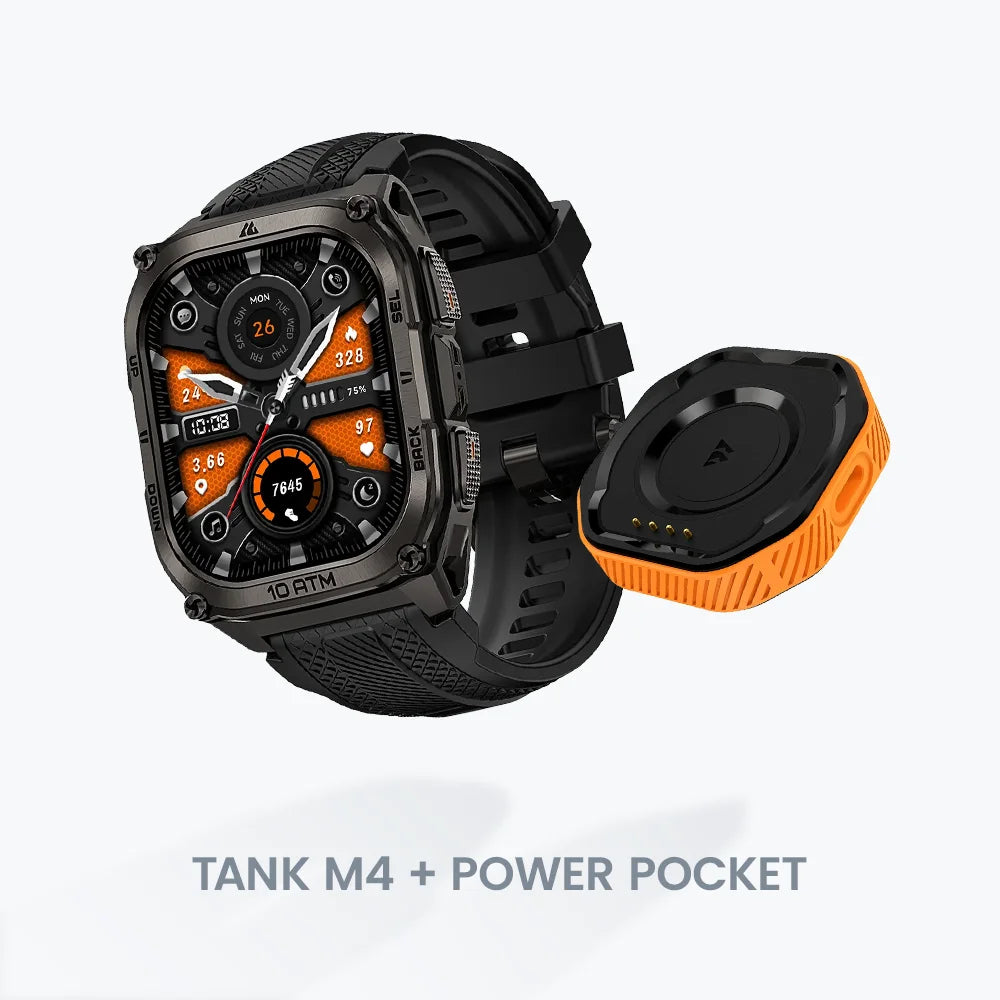


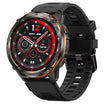
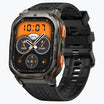
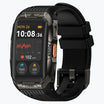
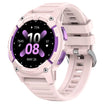

A truly durable waterproof smartwatch must balance high pressure resistance with a rugged outer shell to survive the unpredictable conditions of the wilderness.
While many hikers focus only on the depth rating listed on the box, durability depends on how well the device handles physical impacts, chemical exposure, and temperature changes. Understanding these factors will help you choose a watch that stays functional from the trailhead to the summit.
Water Resistance Ratings vs. Real Stream Pressures
The depth numbers on your watch packaging represent static pressure rather than the violent movement of water in nature. Manufacturers test water resistance in controlled laboratory tanks where the watch remains perfectly still in calm water.
When you fall into a creek or hold your arm under a rushing waterfall, the force of the moving water creates much higher pressure than a still pool. This dynamic pressure can push water past seals that are only rated for basic swimming.
Hikers should look for ISO 22810:2010 certified devices with a 5ATM or 10ATM rating. This ensures the device can withstand the sudden splashes and high-velocity moisture encountered during a heavy rainstorm or an accidental dip in a river.
Why Shock Resistance is the Secret to Waterproofing
A smartwatch remains waterproof only as long as its external frame stays perfectly aligned. The internal rubber gaskets and O-rings rely on a tight, even seal between the screen and the watch body to keep moisture out.
When a watch hits a rock during a climb, the impact can cause the metal or plastic casing to shift by a fraction of a millimeter. Even if the screen does not crack, this tiny shift creates a gap where water can enter freely.
The KOSPET TANK T3 Ultra 2: Engineered for Structural Integrity
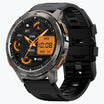
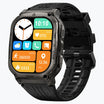
The KOSPET TANK T3 Ultra 2 is specifically built to prevent these structural leaks caused by heavy impacts. Unlike standard smartwatches, the T3 Ultra 2 is constructed with premium stainless steel and rugged materials that have passed 15 different MIL-STD-810H military-grade tests.

📢 Use code BLOG15 at checkout for an instant 15% discount on every outdoor smartwatch in this guide.
>This reinforced architecture ensures that the watch body remains rigid even after a high-altitude fall. Because the frame does not bend or warp under pressure, the internal waterproof seals stay perfectly compressed, maintaining its 50M or 100M water resistance over years of rough use.
The Damage Caused by Sunscreen and Bug Sprays
Chemical corrosion from common outdoor products is a leading cause of mystery leaks in waterproof devices. Most hikers apply bug spray or heavy sunscreens multiple times a day without realizing these substances act as solvents on synthetic rubber gaskets.
These chemicals cause the soft waterproof seals to swell, soften, or become brittle over time. Once the rubber loses its elasticity, it can no longer provide a tight barrier against water.
To protect your investment, you should avoid spraying insect repellent containing DEET directly onto the watch. It is also helpful to clean the casing with fresh water after a long day of hiking to remove chemical residue.
Preventing Internal Condensation on the Trail
Fogging under the watch glass is often a result of rapid temperature changes rather than a permanent leak. When you move from a hot, sunny trail into a cold mountain stream, the air trapped inside the watch cools down instantly.
This causes the tiny amount of humidity naturally present in the air to turn into water droplets on the inside of the lens. This is a common condensation point reaction in many outdoor electronics because no watch is assembled in a perfect vacuum.
You can usually resolve this by moving to a stable temperature environment. However, consistent fogging might suggest that the internal moisture-absorbing packets have reached their limit or a seal has weakened.
Navigation Challenges in Heavy Rain
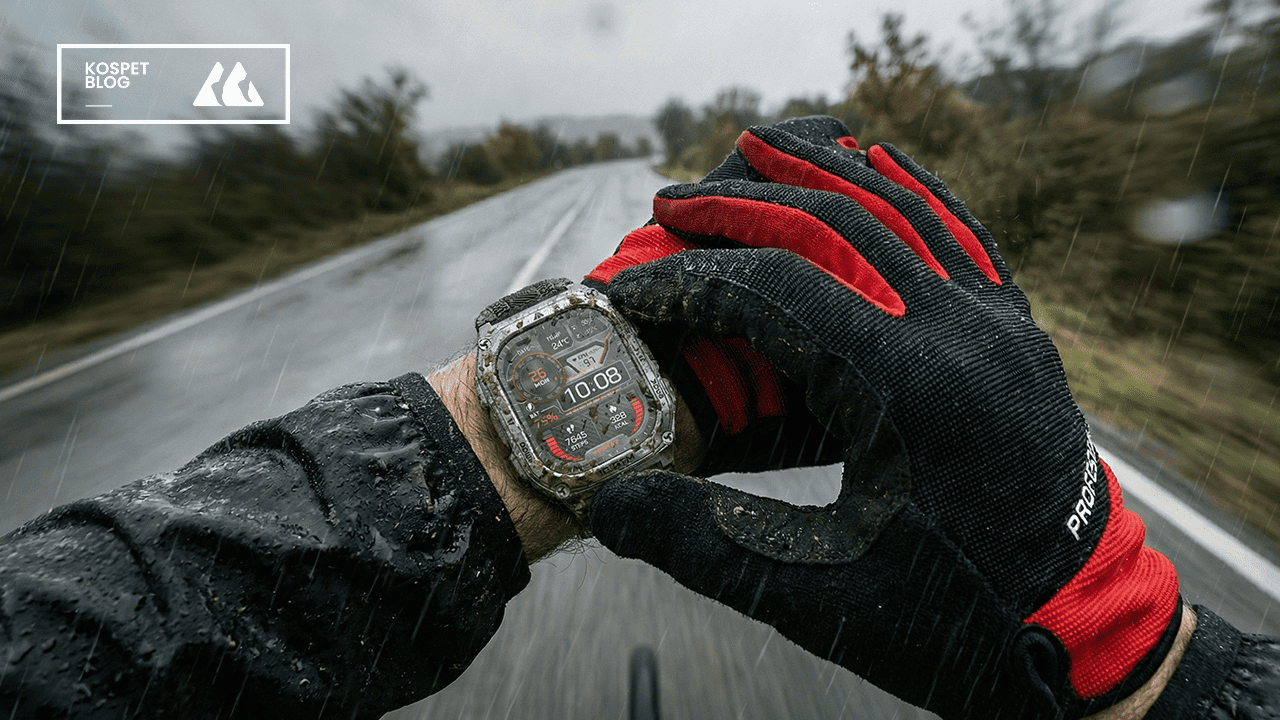
Physical buttons are far more reliable than touchscreens when you are navigating through a storm. Capacitive touchscreens work by detecting the electrical charge from your skin, but water is also a conductor.
During a downpour, the watch cannot tell the difference between a raindrop and your finger. This leads to ghost touches or a screen that refuses to respond when you need it most.
Hardcore outdoor watches solve this by including dedicated navigation buttons that work regardless of how wet the environment is. Having tactile feedback allows you to check your GPS coordinates even when wearing muddy gloves or standing in a deluge.
Cleaning Silt and Salt Crystals After Your Hike
Proper maintenance after a trip is the simplest way to extend the lifespan of your waterproof seals. Dirt, fine sand, and salt from sweat can get trapped in the small gaps around the buttons and sensors.
When these materials dry, they form hard crystals that act like sandpaper against the rubber gaskets every time you press a button. Over several months, this friction wears down the protective barriers.
You should always follow a standardized cleaning protocol by rinsing your smartwatch under a gentle stream of lukewarm fresh water after every hike. This washes away abrasive particles before they cause permanent damage to the moving parts.
Conclusion
Durability in the wild is about more than just a waterproof label because it requires a combination of strong materials and smart maintenance. A watch that can survive a drop is much more likely to keep water out than a fragile one with the same depth rating. By understanding how chemicals, temperature, and impact affect your gear, you can ensure your smartwatch remains a reliable tool for every adventure.
FAQ
Can I wear my waterproof smartwatch in a hot shower?
Hot water is dangerous for smartwatches because high temperatures cause metal and rubber parts to expand at different rates. This expansion can temporarily weaken the seals and allow steam to enter the device.
Is saltwater different for my watch than freshwater?
Saltwater is much more corrosive and leaves behind abrasive crystals when it evaporates. Always soak your watch in fresh water for a few minutes after swimming in the ocean to dissolve all salt deposits.
What should I do if I see water droplets inside the screen?
Visible water droplets indicate that the waterproof seal has failed completely. You should turn off the device immediately and place it in a dry environment before seeking professional repair.


Leave a comment
All comments are moderated before being published.
This site is protected by hCaptcha and the hCaptcha Privacy Policy and Terms of Service apply.