



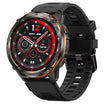
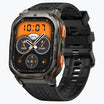
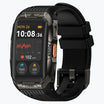
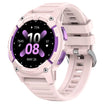
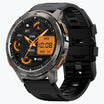
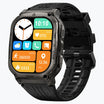
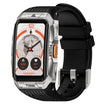
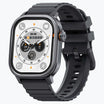
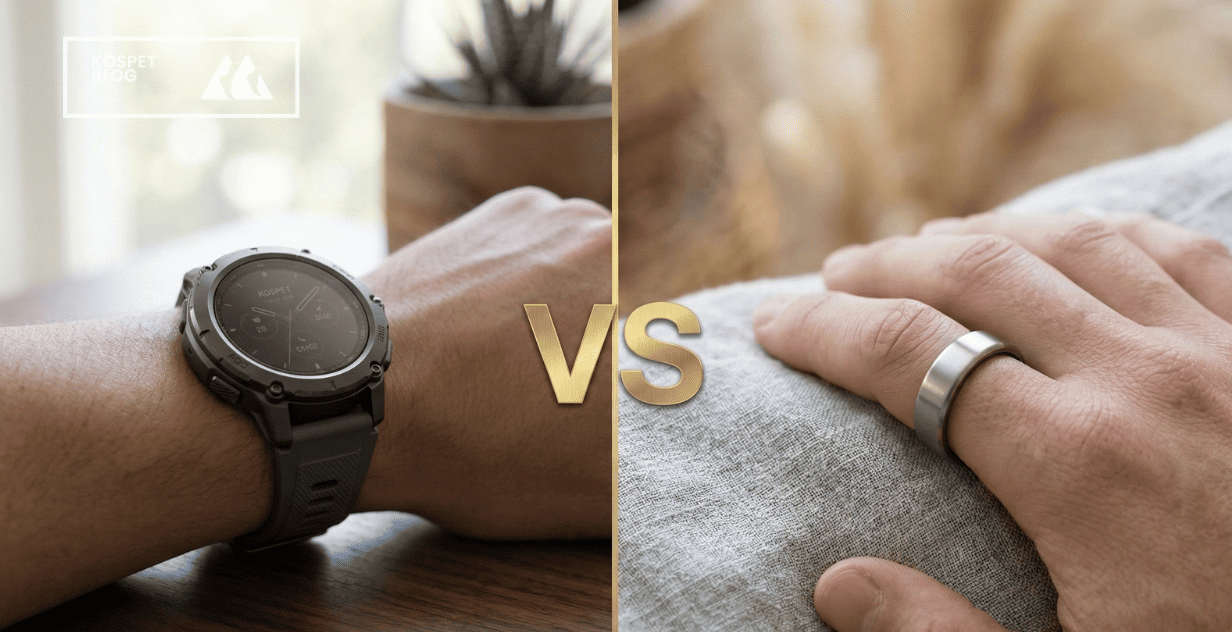
Smartwatches remain the superior choice for most people because they offer a complete range of features for communication, fitness, and daily productivity in one device. While smart rings are growing in popularity, the modern sports smartwatch provides a level of utility that a small finger-worn device cannot match.
Market research shows that smartwatches continue to lead in total sales because they serve as a primary digital tool for users around the world. This article examines the practical differences between these two types of wearable technology to help you decide which one fits your lifestyle.
Interaction Efficiency and the Advantage of Displays
The presence of a high-resolution touchscreen on a smartwatch makes it a much more efficient tool for managing daily tasks. Users can read text messages, check weather updates, or view their heart rate directly on their wrist without reaching for a smartphone. This immediate access to information reduces the number of times a person needs to pull out their phone during the day.
Smart rings lack a screen, which means every piece of data requires the user to open a mobile app to see it. This extra step creates friction in the user experience and makes the ring feel more like a passive sensor. Experts in user interface design explain that immediate feedback is essential for a good technology experience.
Main Benefits of a Built-in Display:
- Instant Notifications: Read and reply to messages without your phone.
- Visual Data: See your heart rate and step count with a quick glance.
- App Control: Manage music or smart home devices directly from your wrist.
Visual feedback during a workout is another area where the smartwatch excels. A runner needs to see their pace and distance at a single glance to adjust their effort. Without a display, a smart ring cannot provide this essential real-time coaching. People who value staying connected while keeping their hands free will find the watch much more helpful.
Fitness Tracking and Sensor Stability in Motion
Smartwatches offer better stability and accuracy for tracking vigorous physical activities because the wrist strap holds the sensors firmly against the skin. During high-intensity interval training or weightlifting, the fingers move and change shape constantly. These movements often cause a smart ring to shift, which creates gaps in the biometric data collection.
A smartwatch can be tightened during a workout to ensure the heart rate sensors maintain a solid connection with the radial artery. Scientific studies on sensorsconfirm that physical movement is the biggest challenge for wearable accuracy. A stable device on the wrist provides a more consistent stream of data for active users.
| Feature | Smartwatch Performance | Smart Ring Performance |
|---|---|---|
| Stability in Motion | High with adjustable strap | Moderate due to finger shifts |
| GPS Tracking | Built-in for independent use | Requires phone connection |
| Real-time Stats | Immediate on-screen | Requires mobile app |
The inclusion of built-in GPS in most smartwatches is a critical feature for outdoor exercise. Runners and cyclists can leave their heavy phones at home and still record their exact route and speed. Smart rings are too small to house powerful GPS antennas, so they must stay connected to a smartphone to track outdoor movement. This dependency limits the freedom of the user during their training sessions.
Health Monitoring: Static Precision vs. Proactive Alerts
Smartwatches provide proactive health warnings that can save lives, whereas smart rings focus primarily on analyzing data after it has already been collected. Features like fall detection and emergency SOS are standard on many high-quality watches. These devices use advanced accelerometers to sense a hard impact and can automatically call for help.
Smart rings are excellent for tracking sleep stages and resting heart rate because they are comfortable to wear overnight. However, they do not offer these immediate safety interventions.
Safety and Health Capabilities:
- Fall Detection: Only available on smartwatches with advanced sensors.
- ECG Monitoring: Available on both but easier to trigger on a watch.
- Emergency SOS: A standard safety feature for wrist-based devices.
- Sleep Tracking: Excellent on both but rings are often more comfortable.
Advanced health sensors like electrocardiograms and blood oxygen monitors are more effective on a smartwatch because the device has more space for complex electronics. A watch can alert a user to an irregular heart rhythm the moment it happens. A ring usually requires the user to be perfectly still to get a clean reading. While the thin skin on the finger allows for good light penetration, the wrist provides a larger surface area for more diverse types of health hardware.
Durable Smartwatch Models Designed for Performance
Choosing a rugged smartwatch ensures that your technology can survive the toughest outdoor adventures and daily challenges. KOSPET smartwatch offers a range of devices that provide extreme durability and advanced features for athletes and outdoor enthusiasts. These watches are built to handle environments that would be too harsh for a delicate smart ring.
📢 Use code BLOG15 at checkout for an instant 15% discount on every outdoor smartwatch in this guide.
KOSPET TANK M4

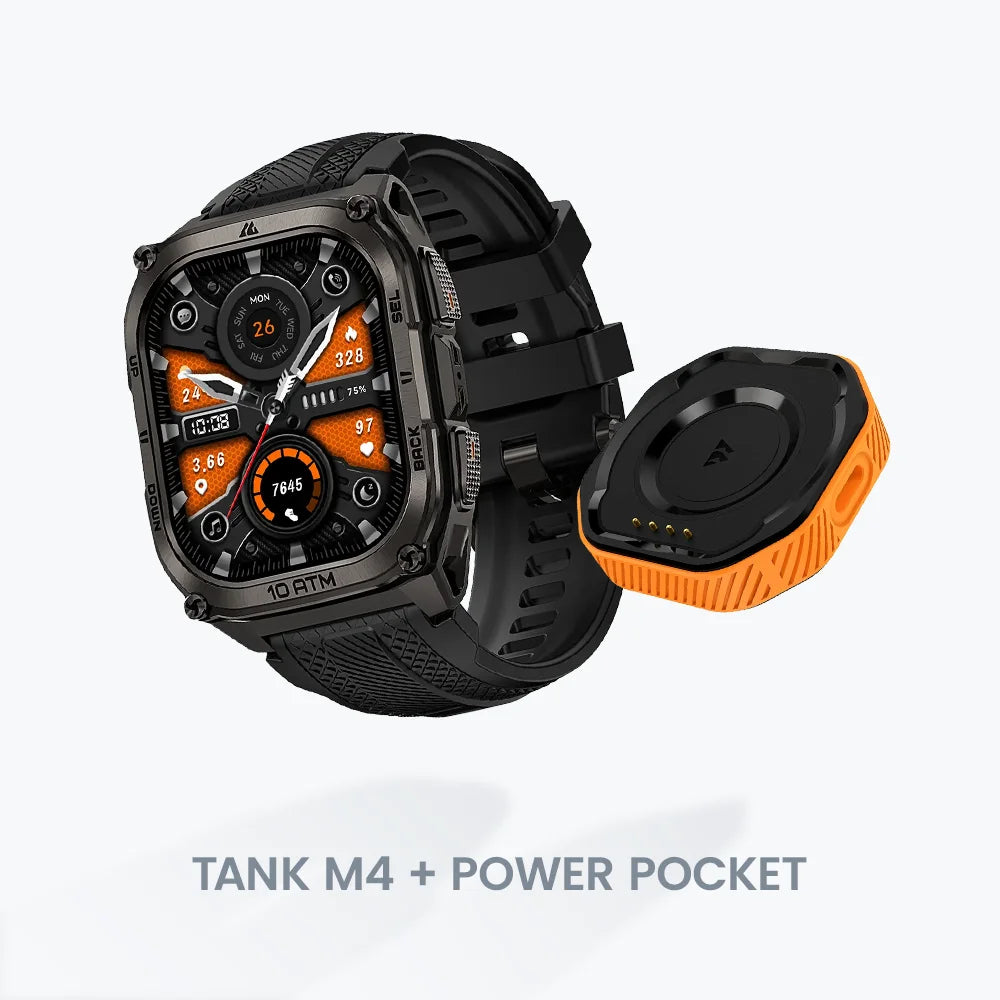
This model is designed for diving and professional sports. It features a stainless steel unibody and Corning Gorilla Glass for maximum protection. It offers 10 ATM water resistance and includes offline maps for navigation in remote areas. It also features a walkie-talkie function for communication without a cellular network.
KOSPET TANK T4

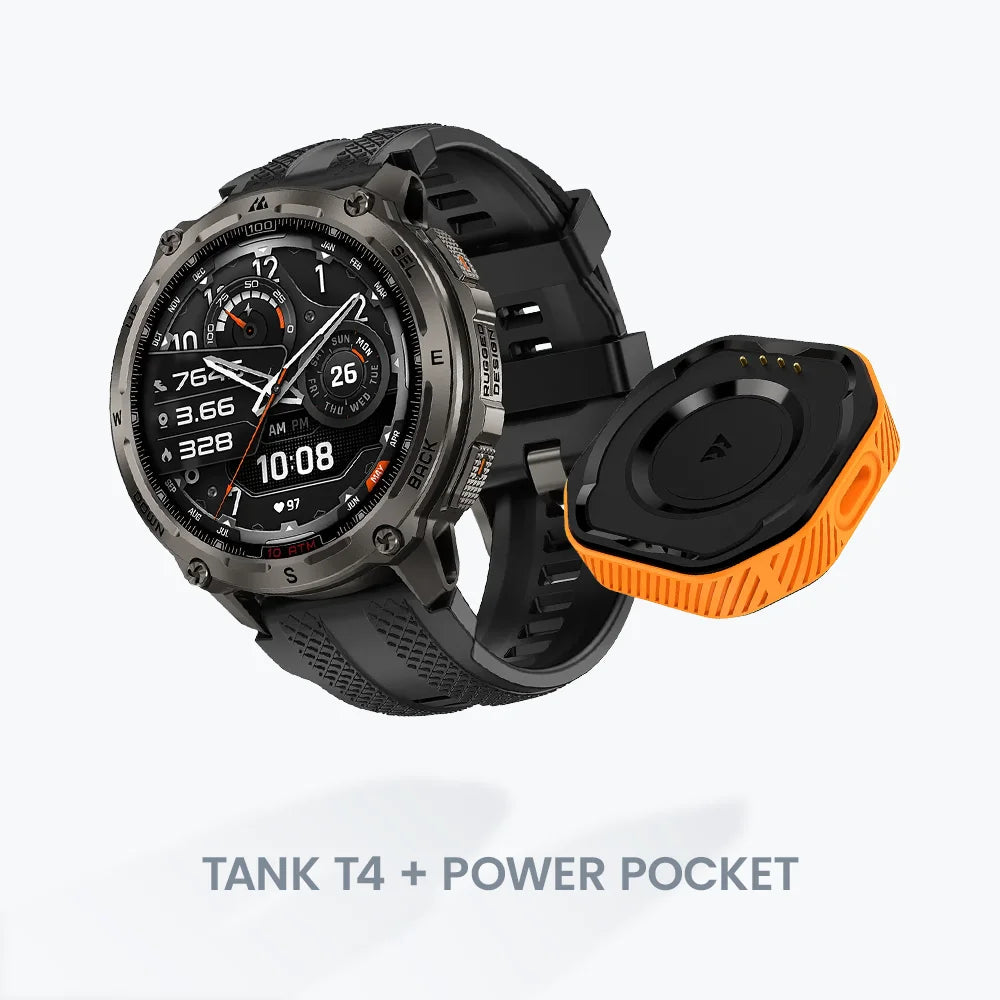
The TANK T4 is a powerful GPS running watch built with Inox 360 stainless steel. It provides accurate dual-band positioning to track every stride during a race. It is certified to military standards, meaning it can resist extreme heat, cold, and shock.
KOSPET TANK T3 Ultra 2

This device is a great choice for users who want accurate dual-band GPS at an affordable price point. It features a compass and a barometric altimeter to help with mountain climbing and hiking. The long battery life ensures that you stay connected for days without needing a charger.
Ecosystem Integration and Standalone Capabilities
The ability of a smartwatch to function as a standalone cellular device makes it a powerful command center for a modern digital life. While smart rings act as passive accessories that feed data into a mobile app, smartwatches serve as independent gateways to the digital world. Analysis of tech trends shows that users increasingly prefer devices that reduce their constant dependence on smartphones.
- Standalone Connectivity: Many watches feature LTE connectivity, allowing you to make calls and stream music without a phone nearby.
- Contactless Payments: Use your wrist to pay for groceries or transit through integrated NFC systems.
- Smart Home Control: Manage lights, locks, and thermostats directly through your watch interface.
- AI Agent Interaction: Built-in microphones and speakers allow for natural voice commands to set reminders or ask questions, a feature lacking in screenless rings.
As artificial intelligence becomes a bigger part of personal health management, the smartwatch remains the primary place where users interact with their digital assistants in real-time.
Daily Ergonomics and Battery Lifecycle
The choice between a smartwatch and a smart ring often involves a trade-off between multifunctional power and minimalist battery life. While a ring accomplishes a longer charge cycle by doing significantly less work, the smartwatch has matured into a comfortable, high-performance form factor for daily wear.
| Comparison Aspect | Smartwatch Experience | Smart Ring Experience |
|---|---|---|
| Battery Life | 1–2 days (Full functionality) | 5–7 days (Passive tracking) |
| Charging Habit | Short daily charges (e.g., while showering) | Weekly charging sessions |
| Physical Comfort | Adjustable bands for a secure fit | Often thicker than traditional jewelry |
| Style & Customization | Thousands of watch faces and bands | Fixed design and metallic finishes |
| Grip Interference | No impact on hand grip | Can feel bulky when shaking hands or lifting |
Most users find that the massive amount of functionality provided by a watch justifies a shorter battery cycle. The physical design of a modern smartwatch allows it to serve as both a fashion statement and a professional tool for any occasion.
Conclusion
Smartwatches offer a superior combination of real-time interaction, health safety features, and athletic tracking that smart rings cannot currently provide. While rings are a great step forward for comfortable sleep tracking and minimalist design, they lack the independent power and display necessary to be a primary device.
FAQs
Is a smart ring more accurate than a smartwatch for 24/7 heart rate monitoring?
Smart rings are very accurate when you are resting because the skin on the finger is thin. However, smartwatches are usually more accurate during exercise because the strap keeps the sensors from moving.
Can I use a smart ring for running without carrying my phone?
Most smart rings do not have built-in GPS, so they cannot track your exact path or distance unless your phone is with you. A smartwatch with GPS can track your entire run while your phone stays at home.
Does wearing a smart ring feel bulky when lifting weights at the gym?
Many people find that smart rings are thicker than regular rings, which can make it uncomfortable to grip metal bars. A smartwatch stays on your wrist and does not interfere with your hand grip.




Leave a comment
All comments are moderated before being published.
This site is protected by hCaptcha and the hCaptcha Privacy Policy and Terms of Service apply.