



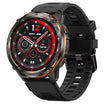
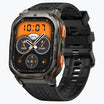
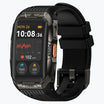
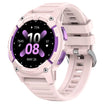
Choose a rugged smartwatch when the watch needs to handle workdays, outdoor use, rain, dust, bumps, and long battery needs. Choose a fitness smartwatch when the main goal is sleep tracking, recovery data, workout coaching, and health insights.
For an affordable rugged smartwatch, the key is not having the most features. The key is a strong case, clear screen, reliable battery life, basic sports tracking, Android compatibility, and practical outdoor tools like GPS, flashlight, water resistance, and dust protection.
The best choice is the watch that fits the user’s real day: rough work, outdoor weekends, daily wear, or fitness tracking. This guide compares rugged smartwatches by user type, build quality, comfort, battery life, practical features, and real value.
Who Should Consider an Affordable Rugged Smartwatch
An affordable rugged smartwatch is for people who want a tougher watch for active, rough, or outdoor-leaning daily life.
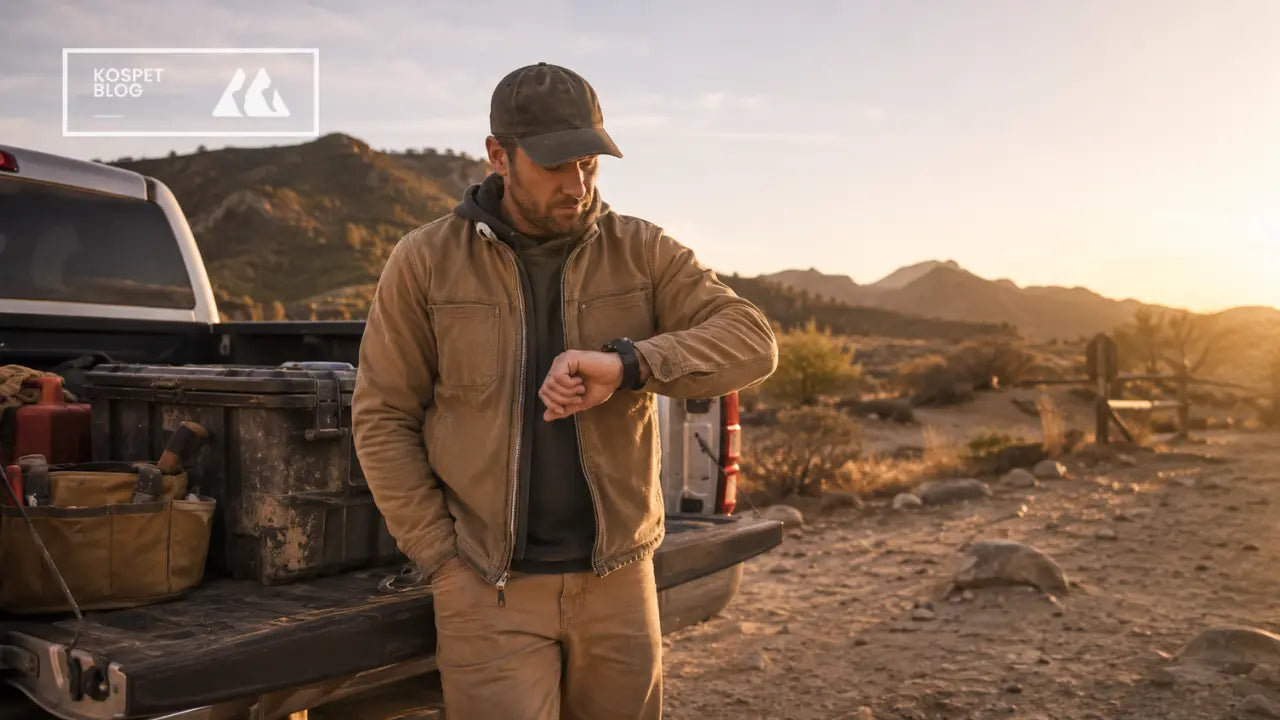
- Blue-collar workers: Construction workers, mechanics, warehouse staff, electricians, drivers, and outdoor workers often use their hands all day. Their watch may touch tools, ladders, metal shelves, dust, sweat, rain, or hard surfaces. A slim fitness smartwatch can feel too delicate in these settings. A rugged smartwatch feels more natural with workwear, gloves, boots, and physical jobs.
- Outdoor lifestyle users: Campers, anglers, hikers, yard workers, travelers, and weekend outdoor users may not need a professional expedition watch. They need a watch that can move from weekday wear to fishing, camping, hiking, road trips, or working outside without feeling out of place.
- People who own more than one watch: Some users already have a dress watch, a casual smartwatch, or a fitness band. An affordable rugged smartwatch gives them a “rough day” option. It is the watch for travel days, outdoor weekends, garage work, yard work, or any day when a slim watch feels too soft.
- Value-focused users who like outdoor watch style: Some users like the bold look of outdoor watches but do not want to pay for premium training tools they may never use. They want a watch that looks tough, feels useful, and covers daily needs without acting like a luxury item.
- Users who dislike fragile-looking smartwatches: Some people simply do not like the light fitness-band look. They want more wrist presence. They want a watch that feels like gear, not just a small screen for body data.
A fitness smartwatch is still better for users who care most about sleep reports, recovery scores, guided workouts, and health trends. A rugged smartwatch is better for users who want a stronger-looking watch for rougher daily use.
What Makes an Affordable Rugged Smartwatch Worth Considering
A rugged smartwatch is worth considering when its build gives the user more confidence than a slim fitness watch.
“Rugged” should not only mean a big case. The real value comes from the case material, bezel protection, screen glass, water sealing, dust resistance, physical buttons, and battery life. These details matter when a watch meets a toolbox, wet sleeve, muddy trail, rough wall, or long day outside.
A normal fitness watch may be fine for the gym. The problem starts when the watch becomes part of a rougher day. It may bump into metal. It may get covered in sweat. It may be checked with dirty hands. It may be used in rain. This is where rugged build starts to matter.
| Rugged Detail | Why It Matters in Real Life |
|---|---|
| Stronger case material | Helps the watch feel safer around bumps and hard surfaces |
| Raised bezel | Adds protection around the screen area |
| Tougher glass | Reduces worry from daily knocks and scratches |
| Water resistance | Helps with rain, sweat, washing, and wet outdoor use |
| Dust resistance | Useful for garages, job sites, trails, and yard work |
| Physical buttons | Easier to use with gloves, wet hands, or sweat |
| Longer battery life | Better for workdays, travel, camping, and weekends |
Water and dust ratings are more useful than vague words like “waterproof.” IP ratings describe how much protection an enclosure gives against dust and water under defined test conditions. Ingress protection testing helps explain what these ratings mean in real use.
MIL-STD-810 is also about environmental engineering and lab test methods, so it should be read as test context, not as a promise that a watch cannot break.
A good affordable rugged smartwatch does not need to be indestructible. It needs to feel less fragile than a normal fitness watch when daily life gets rough.
How Rugged Design Affects the Look and Wearing Experience
A good durable smartwatch should look strong without becoming annoying on the wrist.
This is where many cheap rugged watches get it wrong. They make the case huge, add sharp lines, and call it rugged. But after a few hours, the watch feels heavy, stiff, or awkward. A rugged watch should have presence, but it should not feel like a brick.
The better balance looks like this:
- Strong appearance: It should look solid with workwear and outdoor clothing.
- Controlled weight: It should not feel tiring after a full day.
- Easy movement: It should not get in the way when driving, working, typing, walking, or training.
- Clear display: It should be easy to check in bright light, at work, or outdoors.
- Practical controls: Buttons help when hands are wet, sweaty, or dirty.
Weight matters because rugged users often wear the watch for long hours. A worker may wear it through a full shift. A camper may wear it from morning to night. A traveler may keep it on during long days outside. A bulky watch can look good in photos, but comfort decides whether the user keeps wearing it.
Which Everyday Features Matter More Than Advanced Specs
The best daily features are the ones users actually notice every day.
Many users do not need advanced training load, recovery charts, or pro-level running metrics. Those tools help serious athletes, but they are not the main reason most people look for an affordable rugged smartwatch. Most users need a watch that is easy to check, easy to control, and useful during normal daily routines.
The most useful daily features include:
- A clear touchscreen
- Easy notifications
- Call and message alerts
- Step tracking
- Heart rate monitoring
- Basic workout modes
- Weather, alarm, timer, and music control
- A phone app that is simple enough to use often
Android compatibility also matters. The watch has to live with the phone every day. A smartwatch can have many features on paper, but it feels poor when notifications are delayed, the app is confusing, or data sync is unstable.
This is the difference between feature count and real use. A fitness smartwatch does not need to be beaten at health coaching. A rugged smartwatch needs to be easier to trust in more physical daily settings.
How to Compare Battery Life for Real Daily Use
Battery life should be judged by real use, not by the biggest number in the ad.
A lot of smartwatch battery claims sound impressive. But the real number changes fast. GPS, always-on display, Bluetooth calls, workout tracking, heart rate monitoring, screen brightness, and frequent notifications all use power.
So battery life should be compared by situation.
| Battery Scenario | What to Look For |
|---|---|
| Daily use | How long it lasts with notifications, health tracking, and normal screen checks |
| Heavy use | How it performs with more workouts, calls, and frequent use |
| GPS use | How long it tracks runs, hikes, cycling, or outdoor routes |
| Always-on display | How much battery drops when the screen stays visible |
| Standby mode | Good for backup, but not the best number for real life |
For rugged smartwatch users, daily battery and GPS battery are usually more important than standby time. A worker may not want to charge the watch every night. A camper may want it to last through a weekend. A runner may need GPS to last through a long outdoor session.
Which Outdoor Tools Add Practical Value to a Rugged Watch
Outdoor tools are useful when they solve small problems that happen often.
A flashlight sounds minor until the user needs to check something in a dark garage, tent, hallway, truck, or backyard. GPS sounds basic until the user wants to track a run, hike, or ride without guessing the route later. Water resistance matters when the day includes sweat, rain, washing, mud, or wet sleeves.
The most useful outdoor tools are usually simple:
- GPS: Good for runs, hikes, walks, cycling, and route tracking.
- Flashlight: Handy for quick tasks in dark spaces.
- Water resistance: Useful for rain, sweat, wet sleeves, and outdoor use.
- Dust resistance: Helpful for job sites, trails, garages, and yard work.
- Compass: Useful when checking direction outdoors.
- Barometer: Helpful for air pressure and altitude reference.
- Physical buttons: Easier to use when touch control is not ideal.
This is where rugged smartwatches separate themselves from many fitness watches. A fitness watch can track workouts well. A rugged watch is trying to be more of a daily outdoor tool. It should help when the environment is less clean, less dry, and less predictable.
Rugged Smartwatches to Consider for Different Needs
Different rugged smartwatches should be compared by use case, not by feature count alone.
| Main Need | User Scenario | Product to Consider | Why It Fits |
|---|---|---|---|
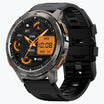
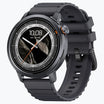
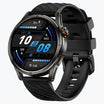
| Rugged daily wear for work and outdoor lifestyle | Workdays, rough daily use, weekend outdoor plans | KOSPET TANK T4C | It fits users who want a tough-looking watch with a 1.5-inch AMOLED display, 1,000-nit brightness, 5ATM water resistance, IP69K sealing, L1+L5 dual-band GPS, and outdoor awareness tools. |
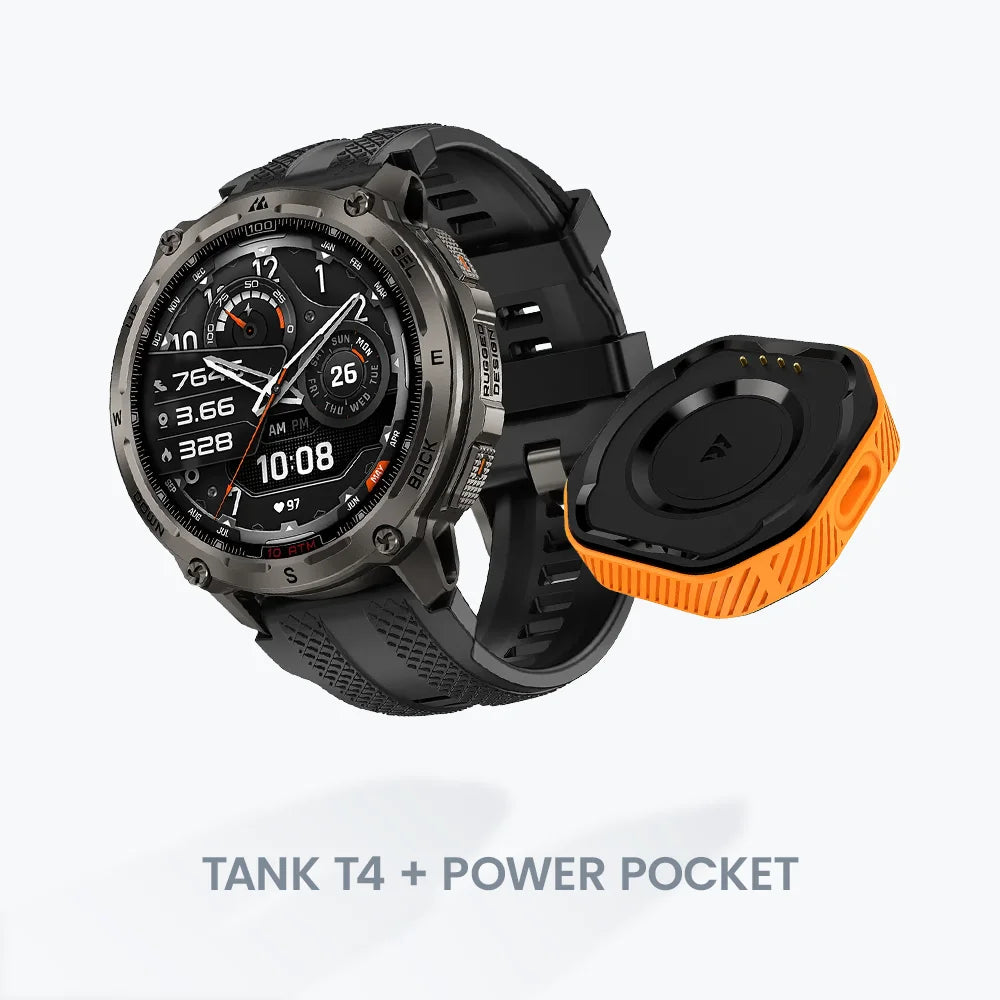
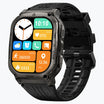
| Outdoor routes, GPS, and phone-free workouts | Running, hiking, trail routes, outdoor training, music without a phone | KOSPET TANK T4 | It fits users who care more about dual-band six-system GNSS, offline maps, GPX/KML route import, 32GB storage, offline music, and phone-free outdoor workouts. |
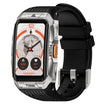
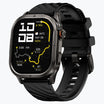
| Rugged watch with broader fitness coverage | Users who want rugged style but still track many workout types | KOSPET TANK M3 Ultra | It fits users who want 170+ sports modes, L1+L5 dual-frequency GPS, six satellite systems, 5ATM/IP69K water resistance, compass, barometric altimeter, and broader fitness tracking. |
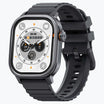
| Outdoor direction and trail awareness | Hiking, trails, changing terrain, direction checks | KOSPET TANK T3 Ultra 2 | It fits users who want L1+L5 dual-frequency GPS, six satellite systems, compass, barometer, stainless steel body, Gorilla Glass 3, and a sunlight-readable AMOLED display. |
Conclusion
An affordable rugged smartwatch is the better choice when the user wants a watch that can match rougher daily life. It is not mainly for people chasing the deepest health data or the most advanced workout coaching. It is for people who want a stronger-looking smartwatch that feels useful around work, tools, rain, sweat, dust, outdoor weekends, and long days away from a charger.
FAQs
Is a rugged smartwatch better than a fitness smartwatch?
A rugged smartwatch is better for rough daily use, outdoor settings, longer battery needs, and a tougher watch style. A fitness smartwatch is better for sleep tracking, health insights, recovery data, and guided workout coaching.
Who should buy an affordable rugged smartwatch?
An affordable rugged smartwatch is a good fit for blue-collar workers, outdoor lifestyle users, weekend campers, travelers, and people who want a tough-looking daily watch without paying for premium outdoor features.
What should I check before buying a rugged smartwatch?
Check the case material, screen protection, water resistance, dust resistance, battery life, GPS support, button design, Android compatibility, and whether the watch feels comfortable enough for daily wear.




Leave a comment
All comments are moderated before being published.
This site is protected by hCaptcha and the hCaptcha Privacy Policy and Terms of Service apply.