

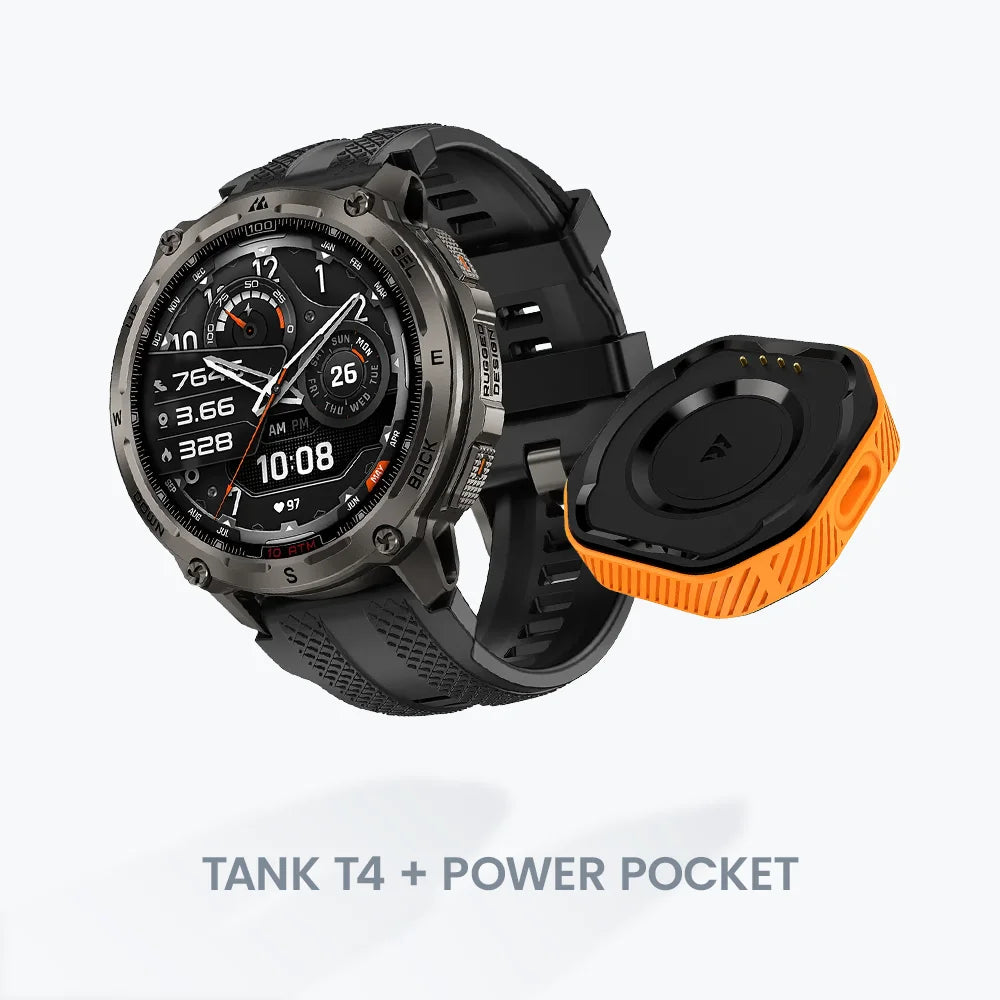
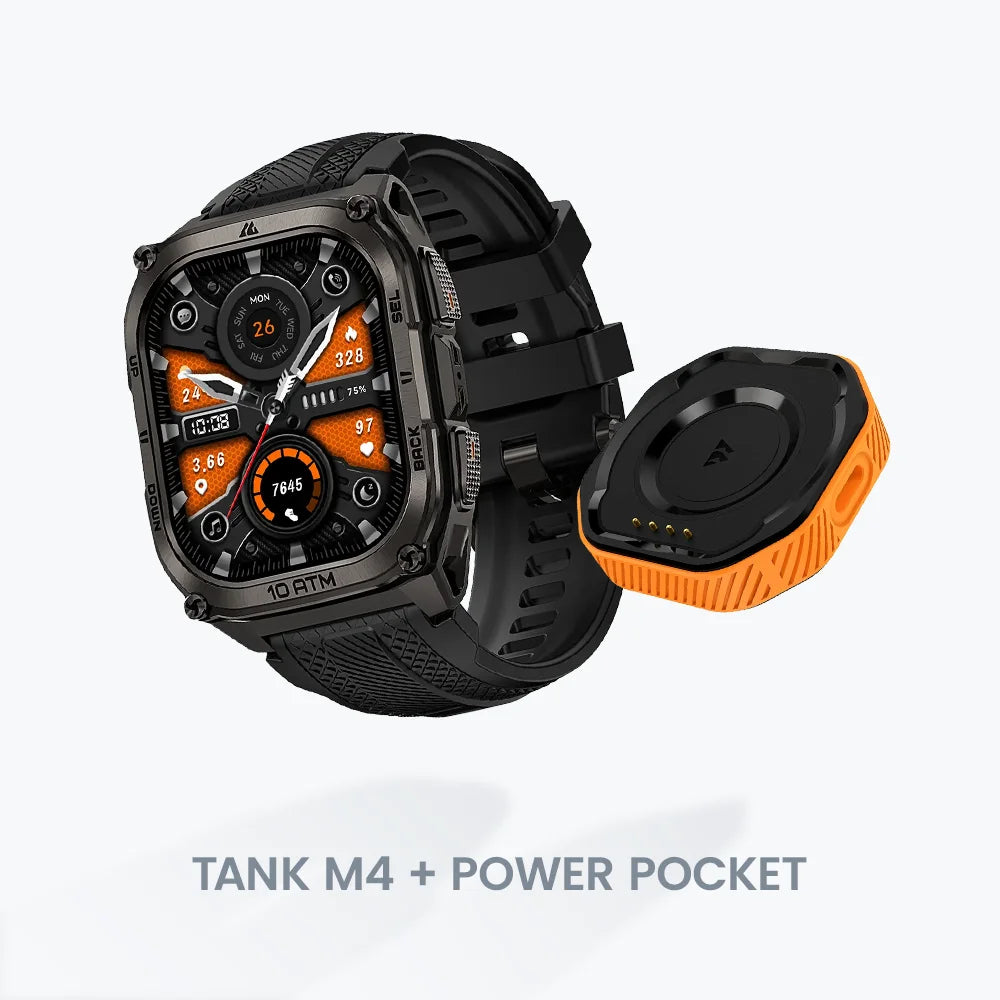


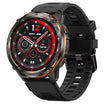


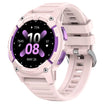


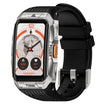
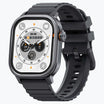



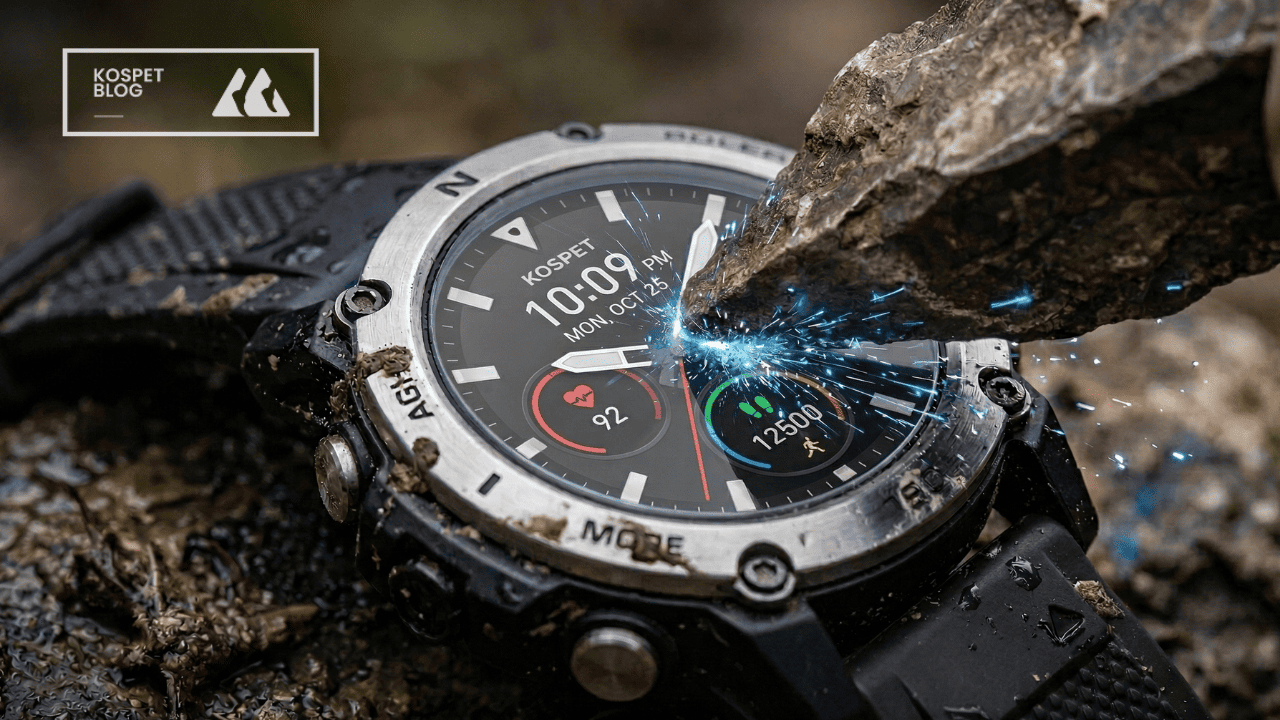
Sapphire glass makes a durable sports watch virtually immune to daily scratches, though vulnerability remains when facing ultra-hard materials like diamonds or specialized industrial abrasives.
While it offers the highest level of surface protection currently available in the horological industry, "scratch-proof" is a relative term rather than an absolute physical law.
Why Sapphire Glass is the Gold Standard for any Durable Sports Watch
Sapphire glass serves as the premier choice for a durable sports watch because its molecular structure provides a hardness level surpassed only by diamonds.
Synthetic sapphire registers a 9 on the Mohs scale. This extreme rating ensures that common elements encountered during outdoor activities—such as stainless steel, granite, or iron—cannot leave a mark on the crystal surface.
Market data for 2026 indicates a surge in demand for these materials, as highlighted in the Scratch Resistant Glass Market Report, driven by the expansion of premium wearable technology.
💎 Hardness Comparison:
- Diamond: 10 Mohs (Highest)
- Sapphire Glass: 9 Mohs (Superior Protection)
- Mineral Glass: 5–7 Mohs (Standard Protection)
- Acrylic/Plastic: 3 Mohs (Low Protection)
Is a Sapphire Crystal Face Truly Unscratchable for Rugged Sports Watches?
No watch face on a rugged sports watch possesses absolute immunity to scratches because specific environmental minerals can exceed sapphire's hardness threshold.
While a sapphire crystal resists 99% of daily hazards, contact with silicon carbide, certain volcanic rocks, or diamond-tipped tools results in visible abrasions.
Furthermore, many durable sports watches feature an exterior Anti-Reflective (AR) coating. This chemical layer is significantly softer than the sapphire underneath and often develops "ghost scratches" that appear on the surface despite the glass itself remaining intact.
⚠️ Potential Hazards for Sapphire:
- Silicon Carbide: Common in industrial abrasives and specific geological formations.
- Diamond Jewelry: A diamond ring can easily gouge a sapphire crystal.
- Scuffed AR Coatings: The chemical coating sustains the damage, not the underlying crystal.
Balancing Hardness and Impact Resistance in High-Performance Outdoor Watches
High-performance outdoor watches must reconcile extreme surface hardness with inherent material brittleness, a physical trade-off known as the hardness-toughness paradox.
While sapphire excels at preventing scratches, its rigid crystalline structure makes it more prone to shattering upon direct, high-velocity impact compared to more flexible materials like mineral glass.
Recent field tests of the Best Hiking Watches of 2026 show that manufacturers now utilize thicker sapphire layers—often exceeding 2mm—to enhance structural integrity against heavy drops on jagged terrain.
Material Trade-offs:
- High Hardness (Sapphire): Exceptional scratch resistance; lower shatter resistance.
- High Toughness (Mineral Glass): Higher shatter resistance; lower scratch resistance.
Comparing Sapphire vs. Mineral Glass for Long-Term Sports Watch Durability
Sapphire crystals provide significantly higher long-term value for a durable sports watch by maintaining perfect optical clarity over years of heavy use.
Mineral glass crystals accumulate micro-scratches over time, creating a "cloudy" appearance that hinders readability in bright sunlight.
According to the Watch Crystal Durability Guide, sapphire maintains transparency indefinitely, eliminating the need for periodic crystal replacements that mineral glass users eventually face.
| Feature | Sapphire Glass | Mineral Glass |
|---|---|---|
| Scratch Resistance | Exceptional (9/10) | Moderate (5/10) |
| Optical Clarity | Permanent | Degrades over time |
| Impact Strength | High (if thick) | Moderate |
| Cost | Premium | Budget-friendly |
Zero-Cost Methods to Verify Real Sapphire at Home
Verifying the authenticity of a sapphire crystal requires only simple physics-based tests that utilize its unique thermal and surface properties.
Many high-end durable sports watches use these crystals to justify a premium price point, making home verification a valuable skill for any collector.
- 🌡️ The Thermal Test: Touching the crystal to your cheek reveals an immediate, sharp coldness. Sapphire conducts heat more efficiently than glass, maintaining this icy sensation longer than cheaper mineral alternatives.
- 🌬️ The Fog Test: Exhaling directly onto the watch face creates a layer of condensation. Genuine sapphire clears this fog almost instantly, whereas mineral glass remains clouded for several seconds.
- 💧 The Water Drop Method: Placing a single drop of water on the clean crystal surface causes it to bead into a tight, spherical shape. Sapphire’s high surface tension allows the droplet to roll across the face without leaving a wet trail.
- 🔎 The Edge Observation: Viewing the crystal edge under bright light shows a colorless or slightly milky hue. Mineral glass usually exhibits a distinct greenish or blueish tint caused by iron impurities.
Maintaining the Ruggedness and Clarity of Your Durable Sports Watch
Proper maintenance of the crystal surface ensures that a durable sports watch retains its functional integrity and premium aesthetic for decades.
While the sapphire itself requires minimal care, the exterior environment often leaves residues that often mimic the appearance of scratches.
Regular cleaning prevents the buildup of salt crystals from sweat or minerals from hard water, both of which obscure the lens and potentially degrade external coatings.
Maintenance Protocol:
-
- Rinse: Use fresh water after every saltwater or heavy sweat session.
- Clean: Apply mild soap to remove skin oils and fingerprints.
- Dry: Use a clean microfiber cloth to avoid lint buildup.
Conclusion
Sapphire glass remains the definitive choice for any durable sports watch intended to survive years of environmental abuse without losing its premium clarity.
This material bridges the gap between luxury aesthetics and extreme functional reliability, ensuring the watch face remains a functional tool rather than a scratched liability.
While users must maintain awareness of concentrated, high-velocity impacts, sapphire continues to be the industry benchmark for athletes demanding long-term resilience.
FAQ
Can diamond scratch sapphire glass?
Yes, diamonds register a 10 on the Mohs scale, making them hard enough to scratch sapphire (Mohs 9).
Why does my sapphire glass have "scratches" that I cannot feel?
These are usually "material transfers" where a softer metal rubbed off onto the harder sapphire; they typically clean off with a pencil eraser.
Does sapphire glass shatter easily?
Sapphire is brittle; while it resists scratches, a heavy, direct impact against a hard surface like concrete can cause it to shatter.
Is sapphire glass worth the extra cost for a sports watch?
Yes, it prevents the permanent "clouding" caused by micro-scratches, preserving both readability and the watch's resale value over decades.


Leave a comment
All comments are moderated before being published.
This site is protected by hCaptcha and the hCaptcha Privacy Policy and Terms of Service apply.