



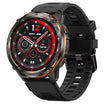
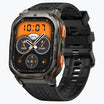
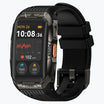
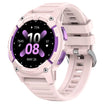
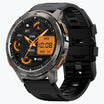
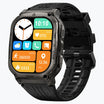
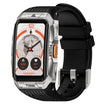
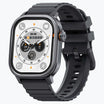
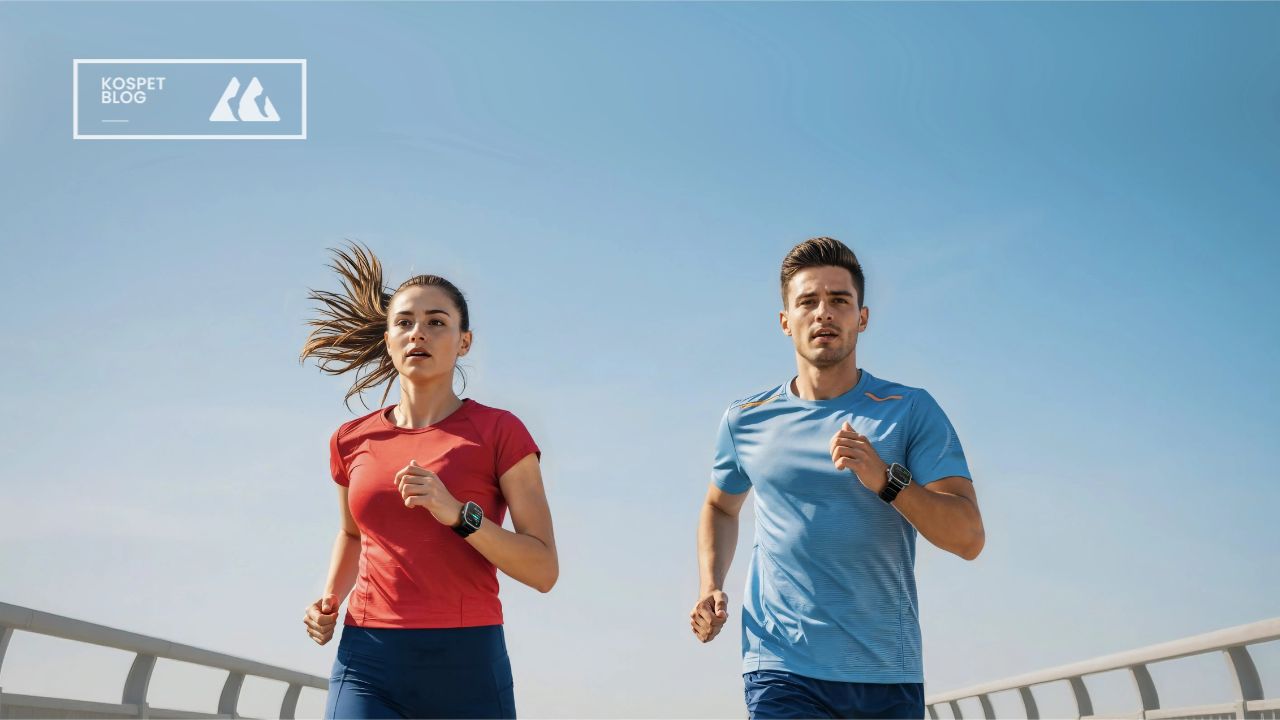
The best lightweight men's watches for running and gym use combine a total weight of under sixty grams with durable reinforced polymer or titanium casings. Finding the right workout gear is crucial for maintaining focus during physical activity.
Heavy and bulky equipment hinders performance and creates unnecessary distraction. Wrist comfort is a major factor when engaging in repetitive movements like running or lifting weights.
This article provides real and practical information to help you select a sports watch that disappears on your wrist while still delivering essential data. It focuses on the specific needs of active men who require reliable tools for their training. Using the right materials ensures that your equipment supports your goals instead of slowing you down.
Defining the Weight Standards for a Lightweight Men's Sports Watch
The actual comfort of a sports watch during vigorous exercise depends directly on its specific weight measurement. Heavy objects inevitably bounce around during high impact activities. For running, any watch weighing over sixty grams feels noticeable and potentially irritating. This leads to distractions that can ruin your pace or form.
According to Runner's World, watches follow specific weight categories to define their impact on comfort. The most comfortable models for active wear weigh under forty grams. These specific models truly feel weightless on the wrist. Total weight is not the only important physical dimension to consider.
- Ultra Lightweight: Under 40 grams. These are ideal for long distance running and competitive racing.
- Standard Lightweight: 40 to 60 grams. These provide a great balance for general gym workouts and daily wear.
- Heavy Performance: Over 70 grams. These often cause wrist fatigue during high intensity interval training.
The ergonomic design and the way the weight is distributed matter for long term wear. A watch with a small diameter and low thickness has a better center of gravity. This prevents the watch from sliding from side to side when you swing your arms at high speeds.
An engineered plastic watch often achieves these lower numbers more easily than traditional metal designs. This material choice allows for a larger screen without adding extra mass. It ensures that the runner can read the display clearly while moving.
Essential Case Materials for Running Performance and Durability
Reinforced polymers and titanium are the superior material choices for creating a durable yet light watch casing. Traditional stainless steel watches are generally too heavy for competitive running. A titanium watch offers an incredible strength to weight ratio. This makes it a favorite for professionals.
Titanium is approximately forty percent lighter than steel but maintains excellent scratch resistance. This metal is also hypoallergenic and does not corrode from constant exposure to sweating. It remains a premium choice for men who want a metal look without the metal weight.
| Material | Weight Level | Durability | Best Use Case |
|---|---|---|---|
| Reinforced Polymer | Extremely Light | High Impact Resistance | Gym and Trail Running |
| Titanium | Light | High Scratch Resistance | Professional Sports and Business |
| Carbon Fiber | Ultra Light | Maximum Stiffness | High End Racing |
Reinforced polymer materials are common in many affordable fitness trackers and GPS watch models. These materials provide exceptional impact durability for all types of sports. They absorb shock better than metal when accidentally hit against gym equipment.
Elite runners often choose high tech carbon fiber composites for ultimate speed and weight reduction. Carbon fiber is very stiff and protects the internal electronics. It allows manufacturers to create very thin walls for the watch case. This saves every possible gram of weight.
Why Low-Profile Designs Improve Comfort During Gym Workouts
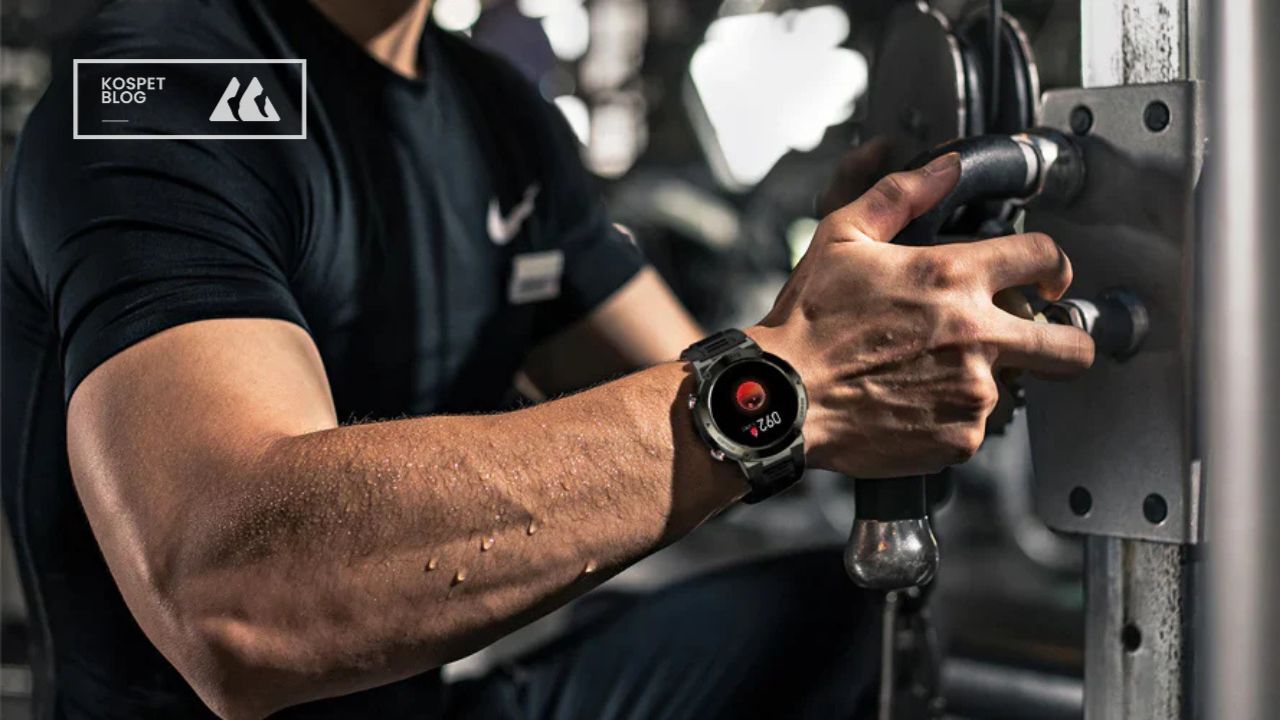
Watches with a thin case thickness are essential for maintaining a full range of motion during complex gym movements. A bulky watch catches on exercise equipment or clothing. It interferes with wearing lifting gloves or wrist wraps during heavy sets. A low profile watch minimizes these risks by sitting close to the skin.
This design aspect improves the accuracy of the optical heart rate sensor on the back of the watch. This sensor requires a constant and secure connection with the skin to function properly. Heavy watches pull away from the wrist during flexion or rapid movement. This results in missing data points during your most intense training moments.
- Freedom of Movement: The wrist can bend fully during pushups or overhead presses.
- Safety: There is less chance of the watch hooking onto cables or resistance bands.
- Sensor Stability: The watch does not tilt away from the skin during rapid arm movements.
A light watch stays in place more effectively. This secure fit ensures consistent fitness tracking accuracy through all your sets and reps. It leads to better data for your health progress and training history.
Top-Rated Lightweight Men's Watches for High-Intensity Training
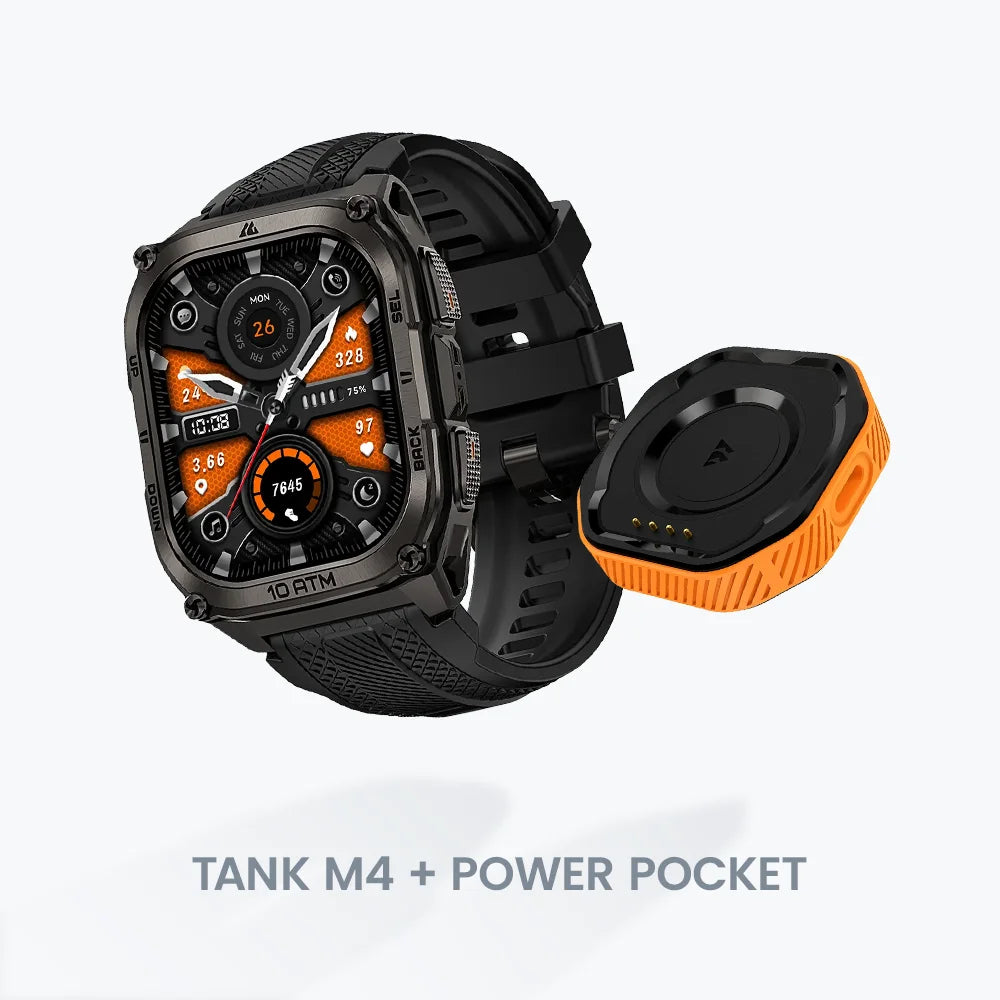
Specific sports watch models like the Garmin Forerunner series and the Kospet Tank series are the top choices for fitness enthusiasts. The Garmin Forerunner 55 weighs only thirty seven grams. This specialized GPS watch is almost unnoticeable on the wrist. It provides essential running metrics and heart rate monitoring for every workout.
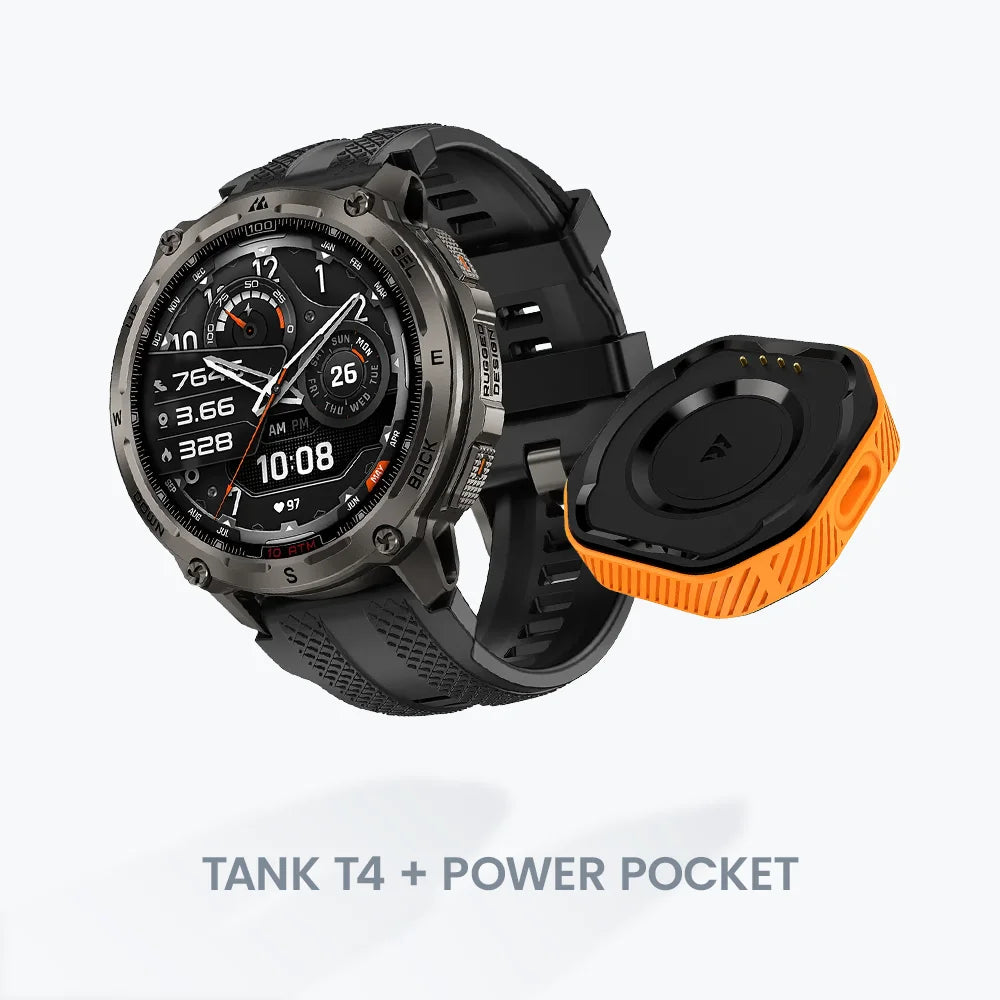
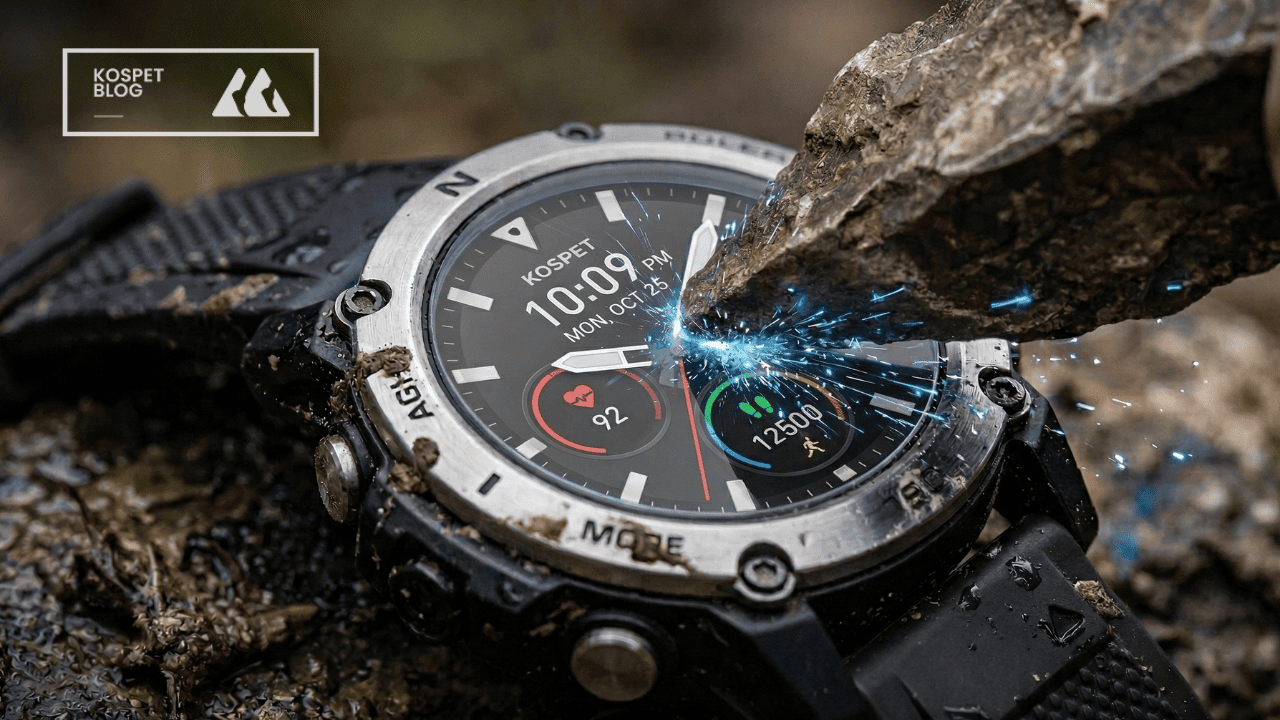
For gym use where durability is the highest priority, the KOSPET Tank T4C is a reliable tool. It features a reinforced stainless steel bezel with a zinc alloy body. The case itself weighs sixty grams and seven tenths of a gram. It offers a solid feel without the excessive bulk of traditional outdoor watches.

- Coros Pace 3: 30 grams with a nylon band.
- Garmin Forerunner 55: 37 grams with a silicone band.
- Casio G Shock DW 5600: 53 grams with a resin band.
- Kospet Tank T4C: approximately 76 grams total with the silicone band included.
The Kospet Tank T4C is an upgraded choice for outdoor professionals. It offers military grade durability and a built in flashlight. All these examples deliver high water resistance to handle intense sweat and rain. They are proven performers in the fitness community for their reliability and lightness.
Selecting Breathable Straps to Complement Your Lightweight Watch
The choice of a watch strap material significantly impacts the overall weight and the breathability of the device. A light watch case feels heavy and hot whenever the strap traps heat and moisture against the skin. Silicone straps are very common on workout gear because they are soft and easy to clean. They provide a very secure fit for fitness trackers during movement.
Woven nylon bands are even lighter than silicone options. Nylon allows for superior airflow to keep the skin cool. This prevents the sweat wicking from causing skin irritation during long distance runs. Woven materials also stretch slightly to accommodate arm swelling during intense heat.
- Silicone: Waterproof and very durable but can get sweaty during long sessions.
- Nylon: The lightest option and highly breathable but takes longer to dry.
- Resin: Very stiff and stable but less flexible than other materials.
A nylon band provides the most customizable fit for different wrist sizes. It eliminates the extra weight of metal buckles found on other strap types. A secure fit prevents movement and keeps the watch steady throughout your workout.
Maintenance Tips for Lightweight Materials Exposed to Sweat
Regular cleaning prevents sweat salt from damaging lightweight watch components over time. Sweat contains salt which leads to salt water buildup on the surface of the watch. This buildup accelerates material degradation over time. This is a common problem with resin cases and silicone straps. It can even dull the finish on a titanium watch over many years of use.
Rinsing the watch with fresh water after every workout is the most effective maintenance routine. This simple action removes corrosive elements before they can settle into the material pores. It also keeps the sensors clear for the next session.
- Rinse: Use fresh water after every workout to remove salt and sweat.
- Dry: Use a soft cloth to pat the watch dry instead of using high heat.
- Inspect: Check the spring bars and strap holes for signs of wear or cracking.
For plastic and rubber components, avoid using harsh chemical cleaners. Gentle soap and warm water preserve the structural integrity of the active wear. This simple routine protects the accuracy of the heart rate sensor and the lifespan of the workout gear. Proper care ensures that your lightweight watch remains a reliable part of your fitness journey.
Conclusion
Finding the perfect lightweight men's watch requires looking closely at the actual specifications and materials. Focus on the total weight in grams and the type of case material used. A good combination creates the disappearing effect on your wrist during a workout. Prioritizing wrist comfort allows you to focus purely on your physical performance goals. Understanding how different materials and designs work helps solve the doubt of which gear to trust.
FAQs
What is the best weight for a running watch?
A weight under forty grams is best for maximum comfort and minimal bouncing during runs.
Is titanium better than resin for the gym?
Resin absorbs impacts better while titanium offers more scratch resistance and a professional appearance.
Can I wear a nylon watch strap in the water?
Nylon straps are safe for water but they take much longer to dry compared to silicone.


Leave a comment
All comments are moderated before being published.
This site is protected by hCaptcha and the hCaptcha Privacy Policy and Terms of Service apply.