



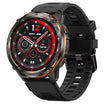
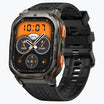
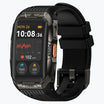
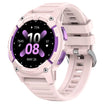
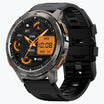
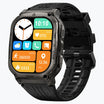
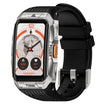
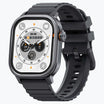

Open-water swimming needs stable GPS and the safety basics that keep tracking dependable when conditions change. Pool swimming needs lap and turn tracking that stays consistent from start to finish.
A swim sports watch should not be judged by how many modes it lists, but by whether it stays reliable in the water you actually swim in.
Pool Swimming and Open Water Are Two Different Problems
Pool and open water are not the same job for a sports watch. Pool tracking is mostly “lap math,” and open water tracking is mostly “GPS track quality.” Mixing those two in one checklist leads to bad buys.
Open water breaks GPS in a predictable way. The watch loses signal when your wrist is underwater, then grabs a quick signal when your arm comes up. That on-and-off pattern creates drift, sharp corners, and weird routes.
Pool errors come from turn and lap detection. One missed turn can cut distance, wreck your pace, and make the workout summary useless.
Also Read: How SWOLF Score Enhances Swimming with Waterproof Smartwatches
What Matters Most for Pool Swim Tracking
Pool swim accuracy starts with lap counting and turn detection. When laps are wrong, pace is wrong. When pace is wrong, training feedback is wrong. That is the chain.
Extra swim stats do not save a workout with bad distance. Stroke labels and fancy charts look nice, but they do not fix a broken lap count.
Swimming makes sensors harder to read. Water and fast arm motion can reduce accuracy for wrist wearables during swim activity, so “stable and consistent” beats “feature rich.”
Tip: Run a clean pool check once and trust the result. Swim 10 lengths at an even effort and do clean turns. A watch that reports 9 or 11 lengths is not “a little off.” It is not reliable for training.
What Matters Most for Open Water Sessions
Open water results depend on GPS lock and GPS stability. Distance and pace come from the track, so a messy track means messy numbers.
Wrist GPS has a known weakness in open water. Your wrist spends a lot of time underwater, and GPS needs the watch above water to keep a steady signal. That is why open water tracks look worse than run tracks.
Garmin’s own guidance matches what I see in the field. Basic steps like waiting after GPS lock before starting, and using settings that support better satellite data, help reduce track problems.
Tip: Treat GPS like a tool that needs setup, not magic. Let the watch sit with GPS acquired for a bit before you start. That single habit improves a lot of “my open water distance is weird” complaints.
Water Resistance Ratings and Real Swim Risks
Water resistance is a gate, not a lifetime promise. A rating shows a device passed a test. It does not mean every swim habit is safe forever.
Standards matter more than marketing words. ISO explains that ISO 22810 covers watches intended for daily use and swimming, while a different standard covers scuba diving. That tells you something important: swimming and diving are not treated the same.
IP ratings have a clear definition. IEC explains IEC 60529 as the system for IP ratings against dust and liquids. The digits describe protection levels based on tests, not a personal guarantee for every situation.
Tip: I treat temperature swings and high-pressure water as higher risk than normal laps. Skip hot showers with the watch and rinse after chlorine or salt water. Simple habits protect seals over time.
Controls, Screen Readability, and Use in Wet Hands
Controls decide whether you keep using the watch. A watch that mis-taps, pauses by accident, or refuses to respond with wet fingers becomes annoying fast.
The “must-work” swim actions are simple. Start, pause, resume, end, and mark intervals need to work the same way every time.
Readability is part of safety in open water. Big digits, strong contrast, and predictable screen behavior matter more than pretty animations when glare and splashes hit.
Tip: Do one wet-hands test on day one. With wet fingers, start a swim workout, pause it, resume it, and end it in under 15 seconds. A watch that fails this test will frustrate you in real swims.
Sports Watches for Swimming Recommendations by Scenario
I recommend by scenario, not by hype. Pool-first swimmers need stable swim basics. Open-water swimmers need real GPS. Frequent water users benefit from stronger water ratings.
| Scenario | KOSPET pick | Why I recommend it | What you are prioritizing |
|---|---|---|---|
| Pool-first laps and swim workouts | KOSPET TANK T3 | T3 is built for water use with 5 ATM + IP69K. Pool training does not need GPS as the first priority. It needs consistency and a watch that holds up to repeated water exposure. | Lap-based swim tracking and durability |
| Open water swims where route and distance matter | KOSPET TANK T3 ULTRA 2 | T3 ULTRA 2 lists dual-band positioning with 6 satellite systems and 5 ATM + IP69K. That fits open water better than a pool-only model because GPS is part of the job. | GPS positioning plus swim-ready build |
| Open water plus frequent outdoor training | KOSPET TANK M3 ULTRA | M3 ULTRA calls out dual-band GPS with 6 satellite systems and 5 ATM + IP69K. This is the pick when you want GPS-led tracking, but you stay in the “swimming and sports” lane rather than dive-style use. | GPS-led training with strong water protection |
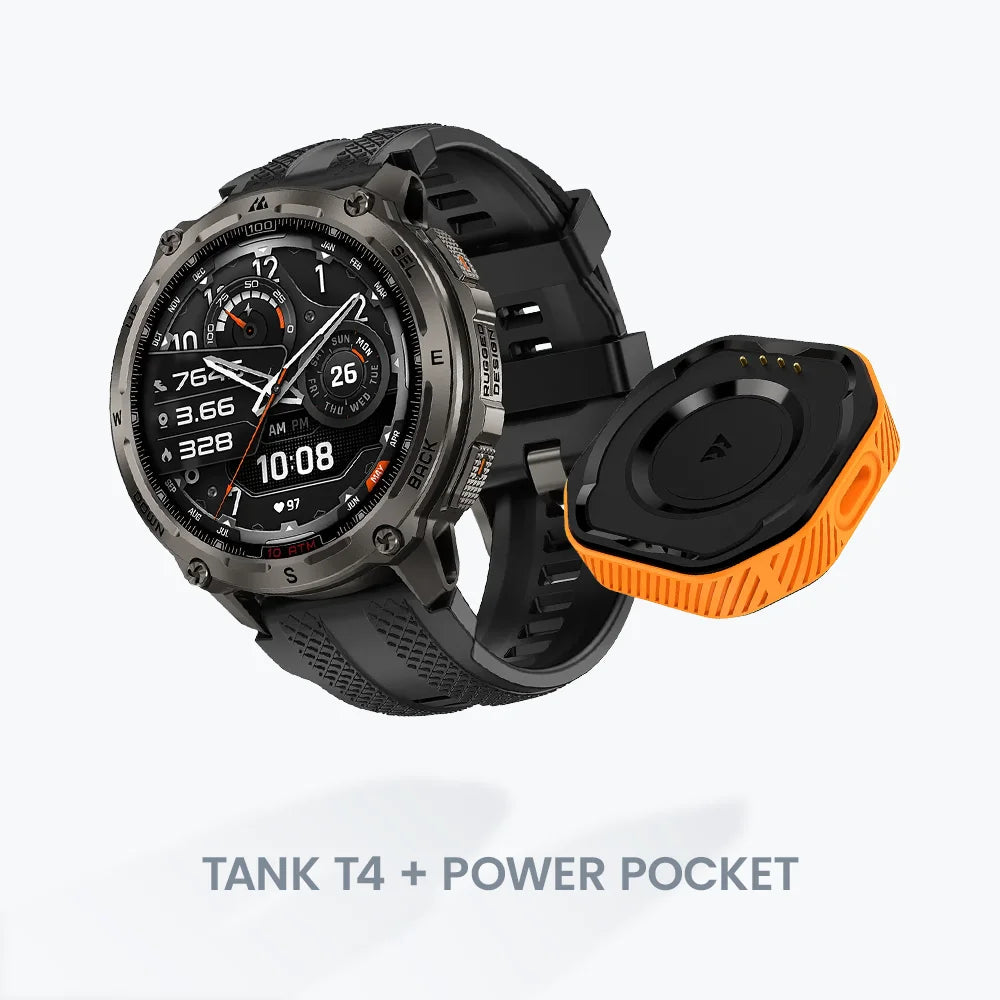
| Heavy water use and stronger water rating headroom | KOSPET TANK T4 | T4 lists dual-band GNSS, offline maps, and 10 ATM + IP69K. I treat 10 ATM models as the safer direction when swimming is frequent and water conditions get tougher. | Higher water rating + GPS + navigation tools |
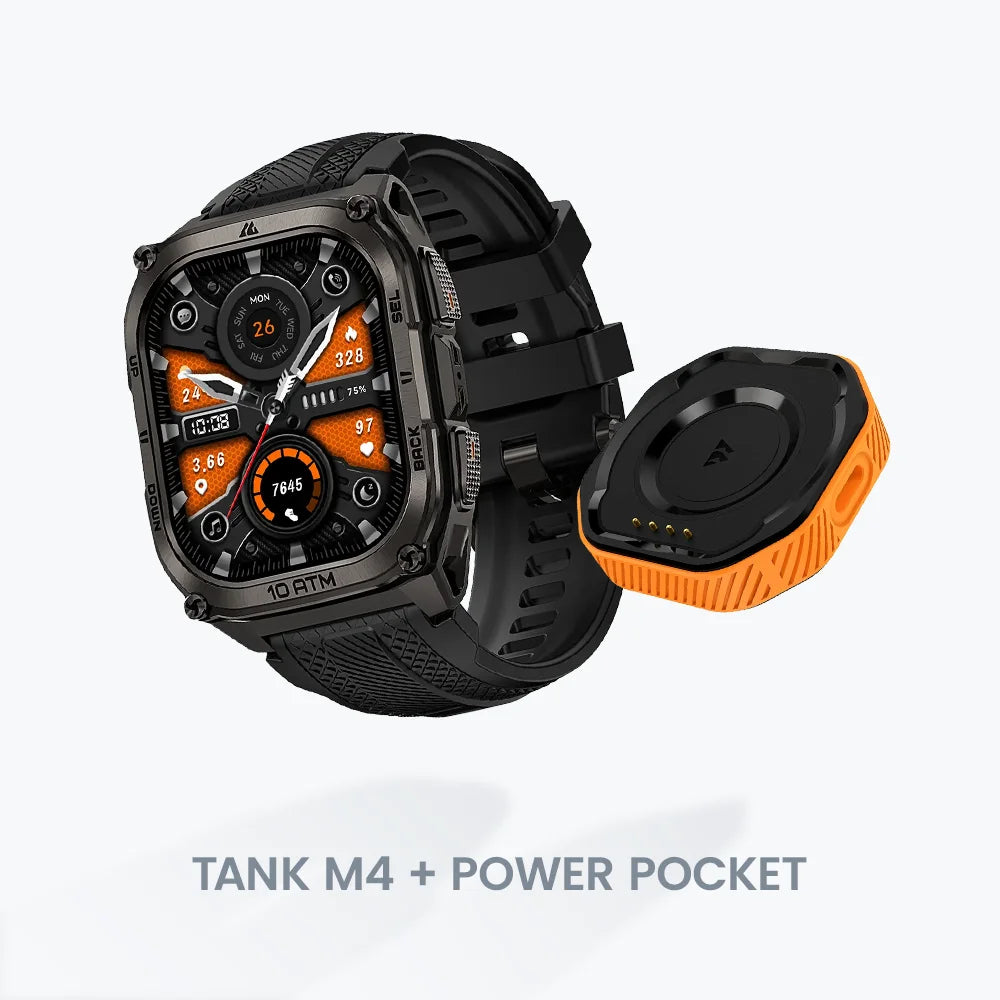
| Swimming plus dive-style features and top water rating focus | KOSPET TANK M4 | M4 lists 10 ATM + IP69K, 3 dive modes, dual-band six-system GNSS, and offline maps. This is the “water-heavy” option when you want extra underwater modes on top of swim and GPS. | Max water focus + GPS + offline maps |
Tip: I do not recommend a phone-dependent workflow for open water tracking when you care about clean routes. Open water is the place where built-in GPS earns its keep.
Conclusion
Pool swimming rewards reliable lap and turn tracking. That is where most pool watches win or lose.
Open water rewards stable GPS and readable, usable controls. That is where most open water watches win or lose.
Water ratings are still important, but standards and habits matter more. I trust a watch more when it matches a real standard, and I trust a swimmer more when they use simple habits that protect seals and improve tracking.
FAQ
Can I use the same sports watch for pool swimming and open water?
Yes, but it must do two jobs well: reliable lap counting in a pool and stable GPS tracking in open water. If one of those is weak, your data will be misleading.
What water rating is enough for swimming?
For regular swimming, look for a watch clearly rated for swim use (commonly 5 ATM or higher). Higher ratings add more headroom, but good habits still matter.
Why is my open water swim distance sometimes wrong?
GPS drops when your wrist stays underwater during strokes, so the track can drift or get “filled in” with imperfect lines. A more stable GPS setup usually improves it.


Leave a comment
All comments are moderated before being published.
This site is protected by hCaptcha and the hCaptcha Privacy Policy and Terms of Service apply.