



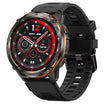
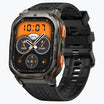
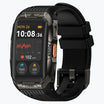
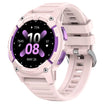
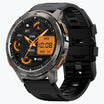
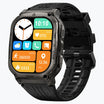
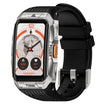
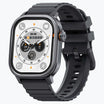

Choose sport watches for men like you’d choose safety gear: what matters is how it performs when conditions are messy, not how it looks on a product page.
A watch can appear rugged and still fail where it counts—controls you can’t use mid-workout, tracking that drifts on your real routes, battery that collapses in GPS mode, or water protection that doesn’t match your habits.
Below, each section starts with a clear conclusion, explains the reason, and ends with an actionable standard you can verify before you buy.
Reliability Over Aesthetics: Defining a Professional Tool
Reliability is the defining feature of a professional sport watch, because training punishes weak design choices faster than everyday wear does.
Sweat, rain, cold fingers, and rapid movement create failure points that “tough-looking” watches often ignore—especially when control relies on touch alone or when key functions require precise screen taps.
Actionable standard: before you buy, verify that core training actions—start/stop, lap, and back—can be performed using physical buttons without depending on touchscreen input.
if the brand doesn’t show button-based workout control in product photos, manuals, or demos, assume it will frustrate you in real training.
Also Read: A Complete Guide to Rugged Smartwatches for 2025
Build Quality and Durability: The Hardware Benchmark
Durability is real only when the watch protects its weak points, because most watch failures happen at edges and interfaces: glass edges, bezel impacts, button seals, and case junctions.
Marketing labels can’t tell you whether the watch is built to survive repeated knocks, vibration, sweat exposure, and rinse cycles—structure and materials do.
Actionable standard: treat durability claims as credible only when you can verify real hardware protections.
- Verify at least two of these: a metal bezel that sits proud of the glass, clearly defined physical buttons, and a water rating stated in ATM.
- Use product photos + spec sheet to confirm the bezel and buttons are real structural features, not styling.
- Treat a clear ATM rating as the minimum “hard” durability signal, not vague “water-resistant” wording.
- If the page only says “rugged” without build details, don’t pay a durability premium.
Tracking Accuracy: Evaluating GPS and Biometric Sensors
Tracking accuracy matters because small errors turn into bad training decisions, especially when you rely on distance and pace to structure sessions.
GPS instability under tree cover or dense buildings can cut corners, shift pace, and distort intervals; sensor inconsistency can make heart-rate zones and recovery trends meaningless.
Actionable standard: match tracking hardware to your environment.
- Heavy canopy, dense city blocks, narrow valleys: choose multi-band or dual-frequency GNSS.
- Verify the exact edition supports that GNSS mode; some lines limit it to specific versions.
- Biometrics only count with stable contact: pick a watch you can wear snugly and comfortably for long sessions.
- Loose fit equals noisy data: treat inconsistent fit as a warning sign for heart-rate and recovery metrics.
Battery Management for Extended Athletic Performance
Battery performance should be judged by training workload, because standby “days” don’t predict what happens when GPS, heart rate sampling, always-on display, maps, or music run continuously.
Most people stop using a sport watch not because the GPS is slightly off, but because charging becomes a chore or the watch dies mid-session.
Actionable standard: judge battery life by the GPS workload you’ll actually run.
- Ignore generic “up to X days” claims; those are usually smartwatch-mode numbers.
- Find GPS runtime for the exact mode you’ll use, such as “all systems,” “multi-band,” or “with maps.”
- Apply a buffer rule: target at least 120% of your longest planned activity time.
- The goal is simple: avoid getting forced into battery-saving compromises mid-workout.
Water Resistance Ratings for Active Use
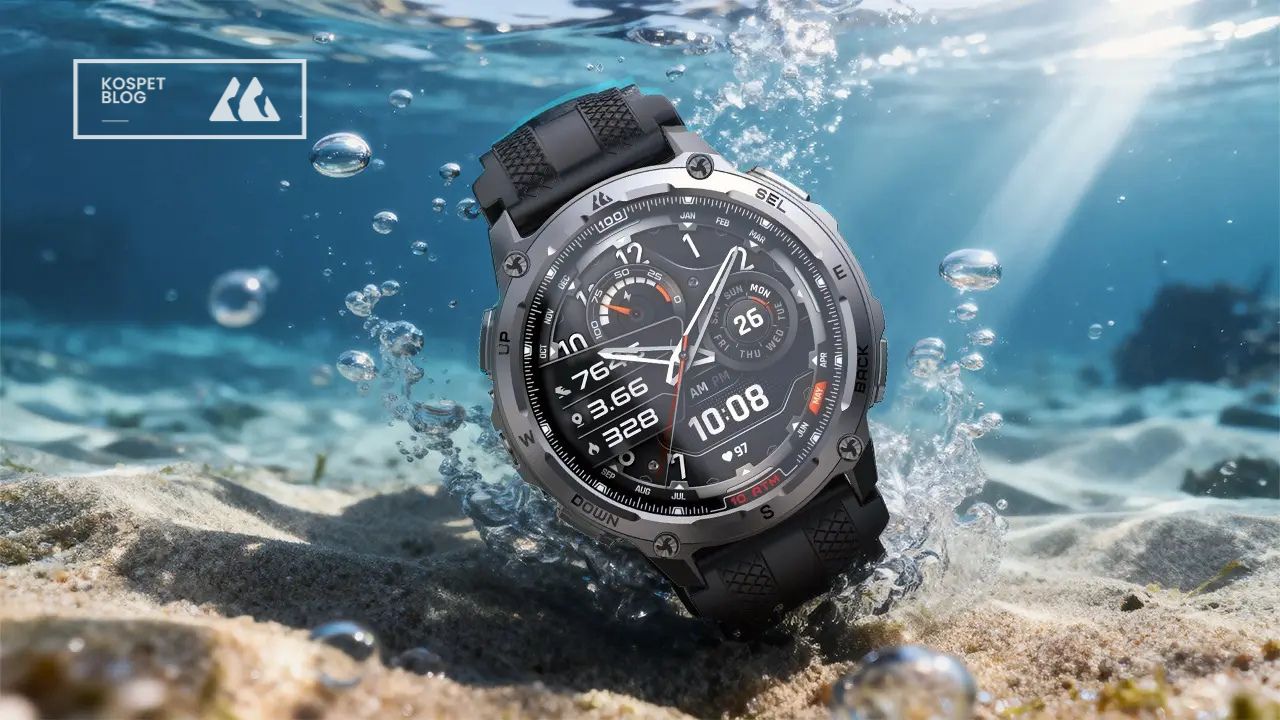
Water resistance should follow habit, because lab ratings don’t capture real-world stress: repeated submersion with movement, impacts from swimming strokes, temperature swings, and accidental button presses.
A watch can survive splashes yet fail when you treat it like a swim tool without the right rating and usage discipline.
Actionable standard: if you swim weekly or do open-water sessions, treat 10 ATM as the safer baseline; if your exposure is mostly sweat, rain, and rinsing, 5 ATM may be enough—but avoid hot showers/saunas, and never press buttons underwater unless the manufacturer explicitly says it’s allowed.
Recommended Picks:
Benchmarks matter more than hype because the market is crowded with rugged styling, while only a smaller set of models make their key capabilities easy to verify.
The goal here is not to crown a “best,” but to anchor your decision to specs that directly map to the standards above—control reliability, durability evidence, tracking capability, battery in GPS hours, and water rating.
Before you choose any model, confirm the same three things on the official spec page:
(1) button-based workout control,(2) GPS mode runtime that covers your longest session with buffer, and (3) a clear water rating in ATM.
| Model | Primary use case | Key specs to verify | Buying logic |
|---|---|---|---|
| Garmin fēnix 7 series | Trail training and navigation | 10 ATM rating; multi-band on sapphire editions | Strong navigation ecosystem and reliable control design; confirm the edition if multi-band GNSS is a priority |
| COROS VERTIX 2 | Long outings without charging | Dual-frequency GNSS; up to 127 hours full GPS; 10 ATM | Built around long GPS uptime; the official GPS-hours figure is a practical planning reference |
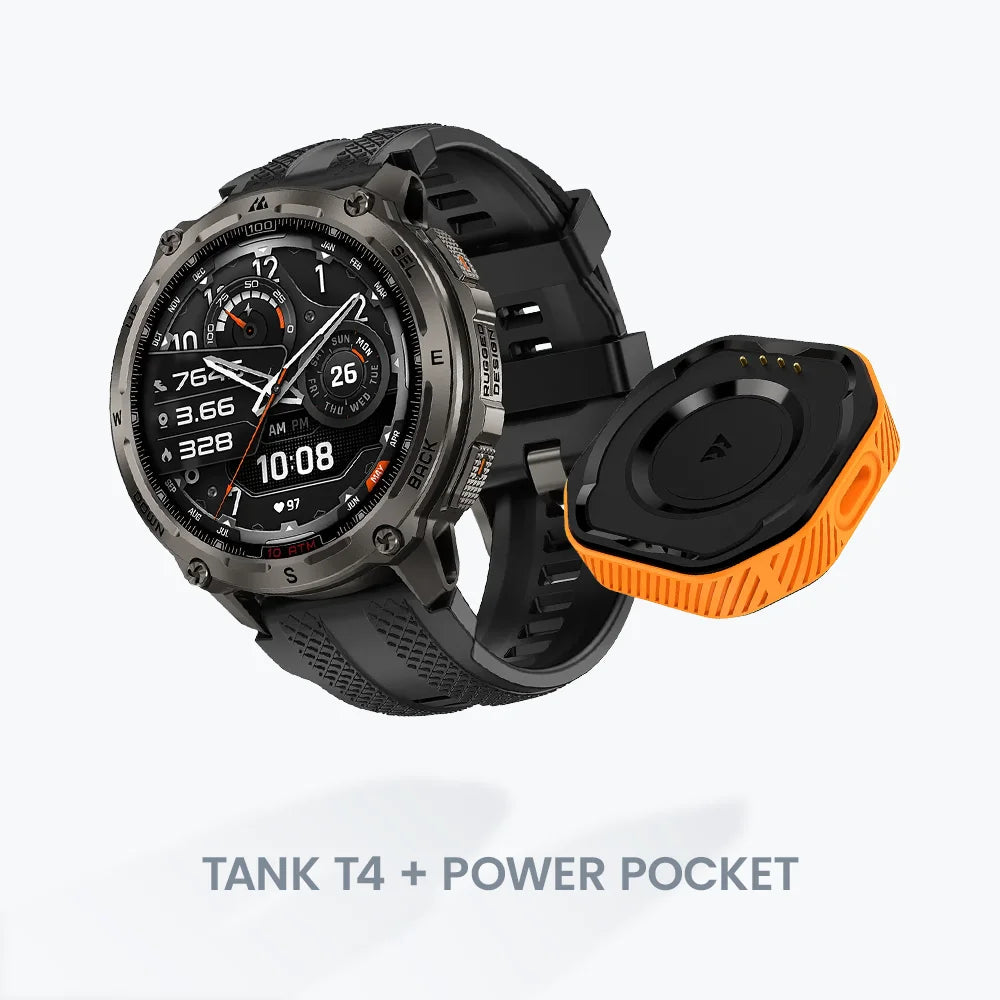
| KOSPET TANK T4 | Outdoor use with offline map needs | Dual-band GNSS; offline maps; 10 ATM & IP69K | Directly targets navigation and water exposure with verifiable specs |
| KOSPET TANK T3 Ultra 2 | Rugged training and outdoor sessions | Dual-band & 6 satellite systems; 15 MIL-STD-810H certifications; 5 ATM & IP69K | Strong rugged benchmark with positioning support; note it is 5 ATM rather than 10 ATM |
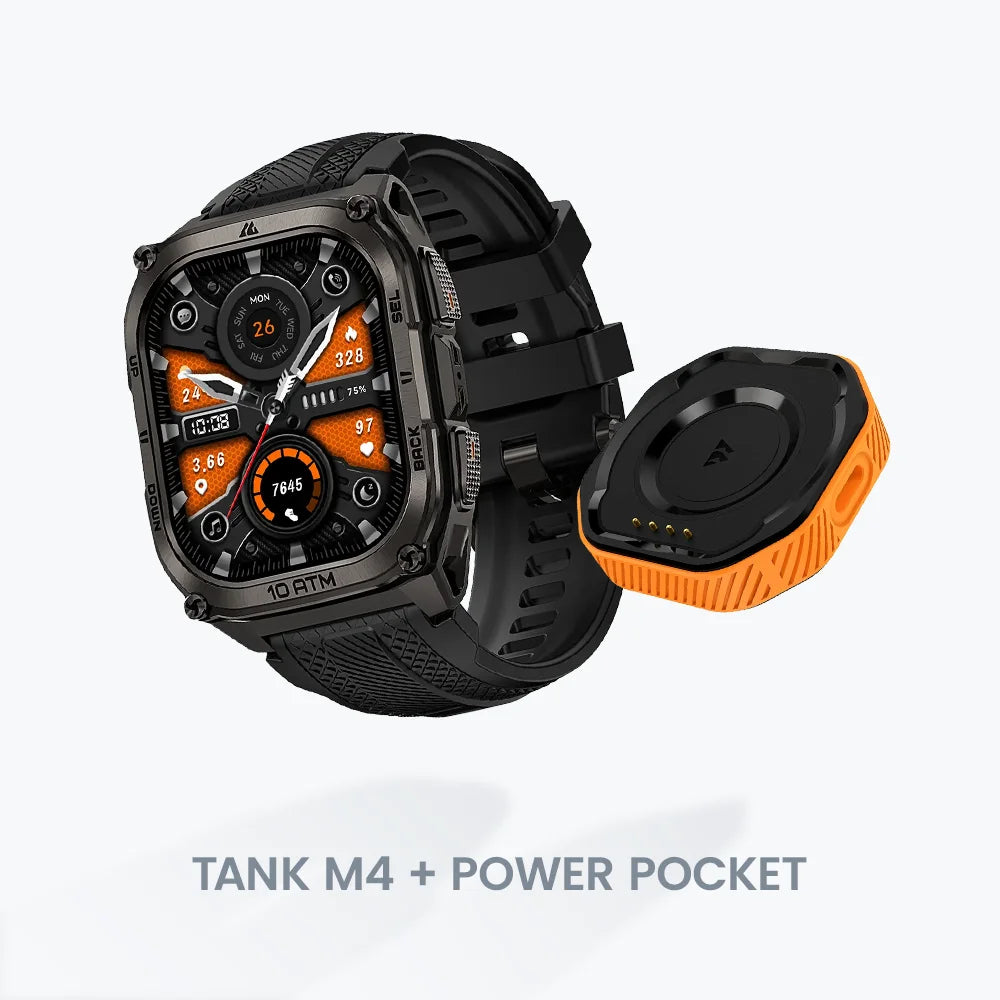
| KOSPET TANK M3 Ultra | High-frequency training with rugged build | Dual-band GPS with 6 satellite systems; 5 ATM & IP69K | Clear positioning and water resistance claims for training-heavy daily use |
Conclusion
Sport watches for men should earn your money by behaving like tools: controllable under stress, structurally protected where impacts happen, accurate where you actually train, and powered for the sessions you actually do.
If you keep one buying rule, make it this: only pay for capabilities you can verify on a spec sheet and that you will stress in your routine—buttons, GPS-mode battery, and water rating.
FAQ
What should I verify first when comparing sport watches for men?
Controls. Confirm you can start/stop, lap, and back out using physical buttons, not touch.
When is multi-band or dual-frequency GPS actually worth it?
When you train in heavy tree cover or dense city blocks. Actionable standard: choose multi-band/dual-frequency and verify the exact edition supports it.
Is 5 ATM enough for active use, or do I need 10 ATM?
10 ATM for regular swimming/open water; 5 ATM for sweat/rain/rinsing. Actionable standard: avoid hot steam and don’t press buttons underwater unless explicitly allowed.


Leave a comment
All comments are moderated before being published.
This site is protected by hCaptcha and the hCaptcha Privacy Policy and Terms of Service apply.