



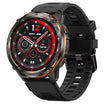
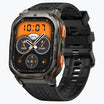
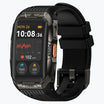
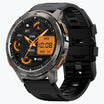
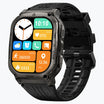
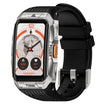
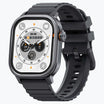
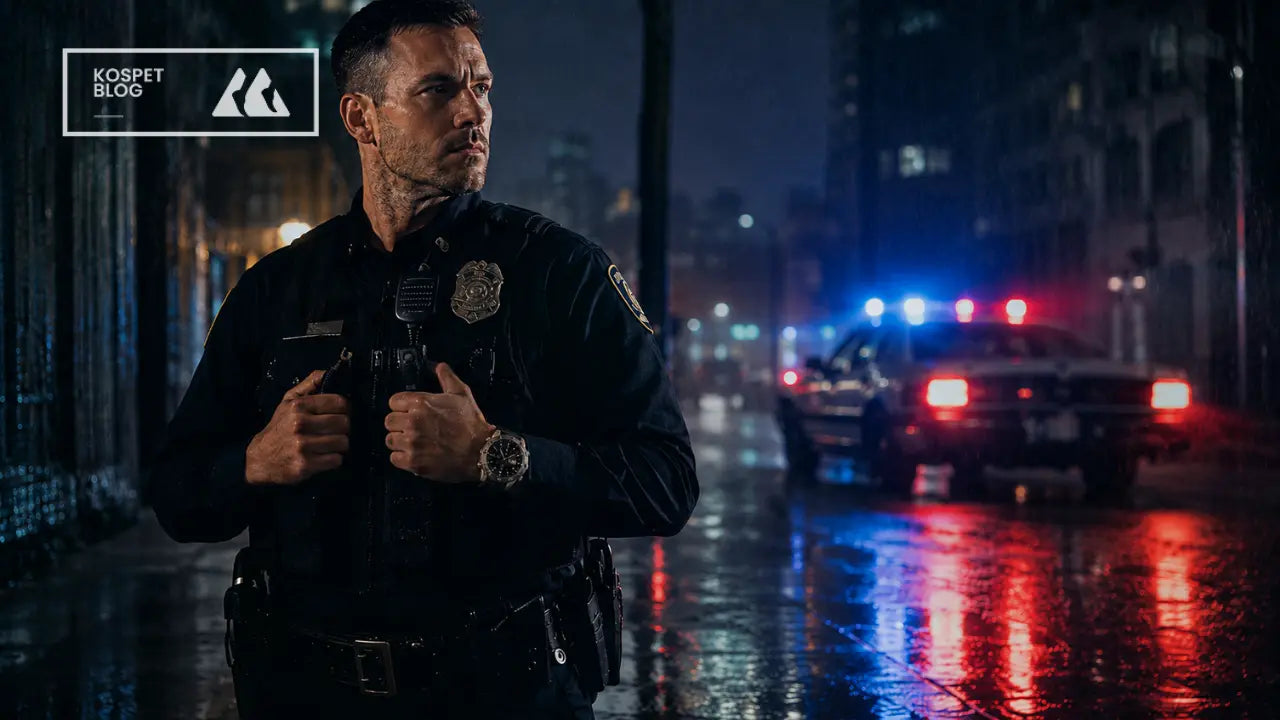
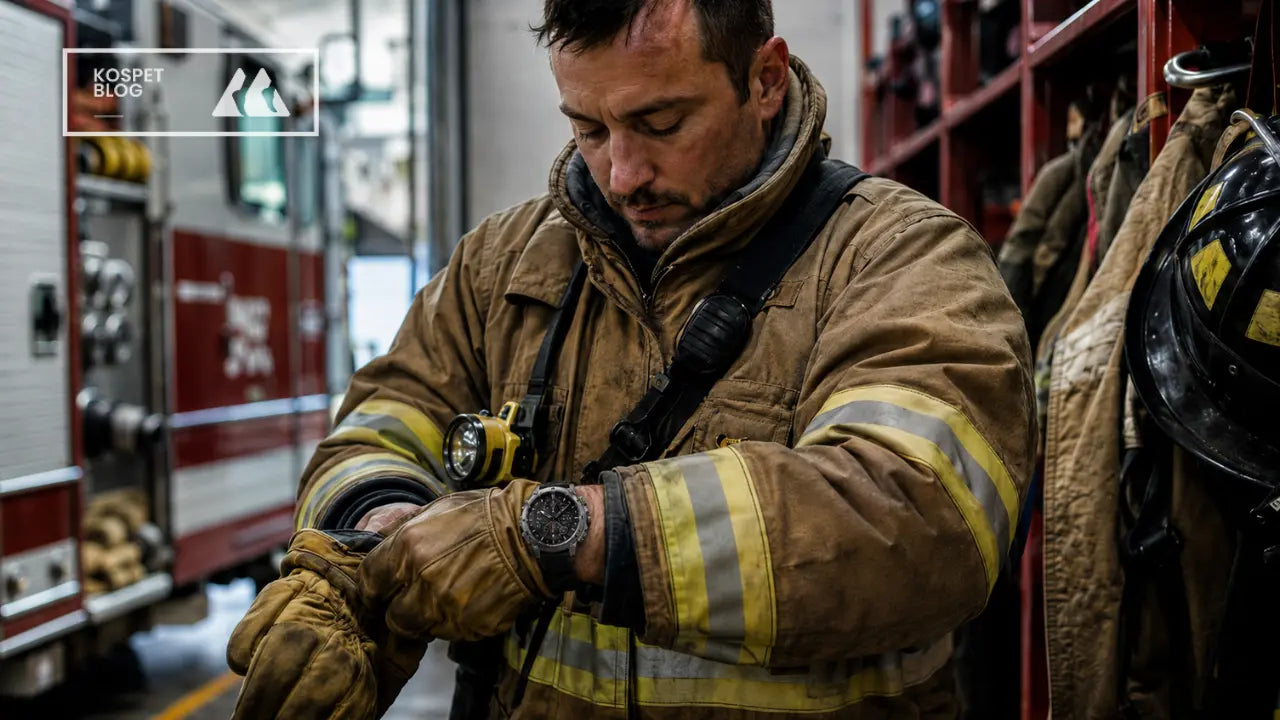
Police work is hard on watches. A normal smartwatch may be fine for the gym, the office, or a weekend walk, but patrol duty is different. A watch can hit a car door, scrape against concrete, get soaked in rain, or take pressure during a hands-on arrest.
For cops, the best smartwatch is not the one with the most apps. It is the one that still works after a long shift, a rough call, or unexpected overtime.
Quick Answer
| Best For | Recommended Watch |
|---|---|
| Ultimate tactical flagship | Garmin Tactix 7 |
| Most indestructible feel | Casio G-Shock Move DWH5600 |
| Best duty-tool on a budget | KOSPET Tank T4C |
Police Duty Demands a Rugged Law Enforcement Smartwatch
Why standard smartwatches fail during intense tactical responses
Most standard smartwatches are built for everyday life, not police duty. They work well for office days, gym sessions, sleep tracking, and casual notifications, but patrol work puts a watch in much harsher situations.
During a real shift, a watch can hit a car door, scrape against concrete, get pressed against the ground, or take impact during a hands-on arrest. A thin case and stylish screen may look good, but they can become weak points when the job gets physical.
For police officers, durability is not about looking tactical. It is about having a watch that still works after rain, sweat, impact, pressure, and long hours. A rugged law enforcement smartwatch should feel like duty gear, not a fragile lifestyle device that needs to be protected.
The military-grade standard explained for cops
Military-grade durability can sound like a technical label, but for police work, the meaning is simple. The watch should be built to handle the kind of abuse that happens during real duty: shock, vibration, water, dust, heat, cold, and pressure.
This matters because police work is unpredictable. One shift may involve traffic control in heavy rain. Another may involve chasing a suspect through dirt, climbing over a fence, or working around broken glass and rough surfaces. A watch that is only made for clean, controlled daily use may not survive those conditions for long.
For cops, ratings like MIL-STD-810H, IP69K, 5 ATM, or 10 ATM are not just spec-sheet language. They help answer practical questions: Can the watch handle impact? Can it survive water and sweat? Can it keep dust out? Can it still be used when your hands are wet, gloved, or dirty?
A good police duty watch does not need to be overcomplicated. It needs to be tough enough that the officer does not have to think about it during a call.
Long Battery Life Prevents Tactical Smartwatch Shift Failure
The reality of 12-hour shifts and endless GPS tracking
Battery life matters more on duty than it does in casual life. A watch that lasts one day may sound acceptable until the shift runs longer than expected. A 12-hour patrol can turn into 16 hours because of paperwork, court, a late call, a search, or a major incident.
Police work also drains a smartwatch faster than normal daily use. Bright screens, GPS tracking, Bluetooth calls, health monitoring, alarms, and frequent notifications all use power. If the watch is already weak by the middle of the shift, it becomes one more thing to worry about.
For cops, the question is not just “How many days does the battery last?” The better question is: will the watch still be working near the end of a hard shift when the officer actually needs it?
Power-saving modes that preserve critical duty functions
A good tactical smartwatch should protect the most important functions first. When the battery gets low, entertainment features and extra smart functions should matter less than time, alarms, basic alerts, health data, and location support.
This is why long battery life is not just a comfort feature. It affects shift reliability. Officers working night patrol, traffic duty, outdoor searches, or back-to-back shifts need a watch that does not force them to charge every night.
The best duty watches give users different battery modes so they can stretch power when needed. On a normal day, the watch can run with alerts, tracking, and daily health features. During a long shift, the officer can reduce screen brightness, limit nonessential notifications, or use power-saving settings while keeping core information visible.
In police work, gear should reduce stress, not add to it. A long-battery tactical smartwatch helps officers stay focused on the job instead of checking whether their watch is about to die.
6 Heavy-Duty Smart Watches for Cops Outperform the Rest
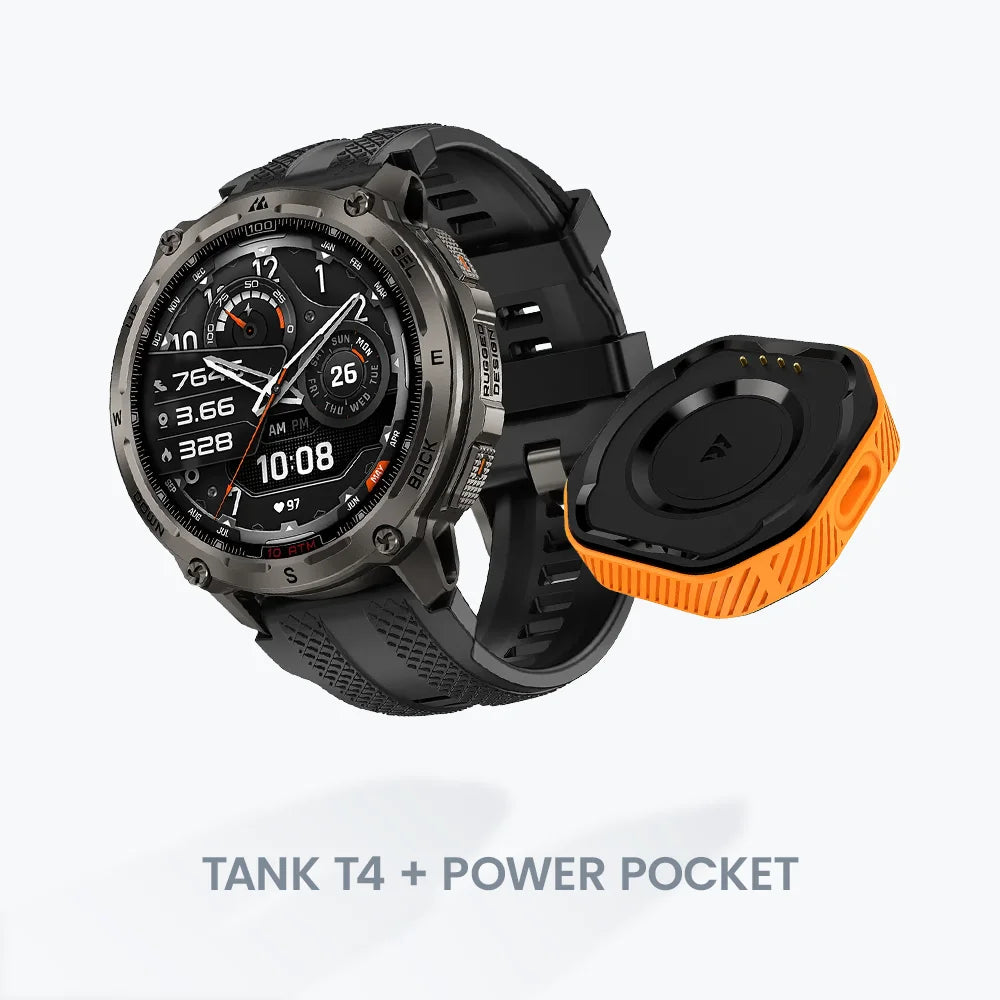
KOSPET Tank T4 – The rugged long-battery workhorse for back-to-back shifts
KOSPET Tank T4 is a strong fit for officers who want rugged protection, long battery life, and outdoor navigation without paying flagship prices. It offers 10 ATM and IP69K water resistance, offline maps with GPX/KML import, 32GB storage, up to 14–15 days of typical use, 9–10 days of heavy use, and up to 21–22 hours of continuous GPS tracking.

- Strengths: Long battery life, offline maps, route import, strong water protection, and useful outdoor tracking support.
- Best for: Officers who need long battery life, outdoor tracking, route support, and stronger water protection.
Garmin Tactix 7 – The premium choice for clear night patrol visibility
Garmin Tactix 7 is a high-end option for officers who want premium materials, strong battery life, button control, and serious outdoor features in one watch. The AMOLED edition uses sapphire crystal, a titanium bezel, 10 ATM water rating, a white and green LED flashlight, and up to 31 days of smartwatch battery life.
- Strengths: Premium build quality, sapphire crystal, titanium parts, physical buttons, strong battery life, and built-in flashlight support.
- Weaknesses: Much more expensive than most other options, and some advanced tactical features may be unnecessary for regular patrol.
- Best for: Officers who want the most complete premium tactical smartwatch and have the budget for it.
Casio G-Shock Move DWH5600 – The legendary tough watch that can take a beating
Casio G-Shock Move DWH5600 is the safer pick for officers who want proven toughness more than a large app ecosystem. It keeps the classic square G-Shock style and adds health tracking, activity support, shock-resistant construction, 20-bar water resistance, USB charging, solar-assisted charging, vibration, and a full-auto LED backlight.
- Strengths: Very tough body, familiar G-Shock design, strong water resistance, simple operation, and a less flashy look.
- Weaknesses: It is not the best choice for full GPS-independent duty tracking or rich smartwatch features.
- Best for: Officers who want a watch that can take hits, handle water, and keep things simple.
KOSPET Tank T4C – The ultimate night shift partner with a built-in flashlight
KOSPET Tank T4C is the most practical budget duty-tool pick for city patrol and night shift. It uses a stainless steel bezel, zinc alloy body, 1.5-inch AMOLED display, up to 1000 nits brightness, 5 ATM and IP69K protection, four buttons, 500mAh pure cobalt battery, 60.7g body weight without strap, and a built-in LED flashlight with five brightness levels.

- Strengths: Built-in flashlight, 12–15 days of typical use, 8–10 days of heavy use, 18–21 hours of GPS use, and lighter body weight than many rugged watches.
- Best for: Night patrol, traffic stops, parking lots, dark stairwells, security checks, and urban duty.
Suunto Traverse Alpha – The reliable route tracker for long outdoor searches
Suunto Traverse Alpha is a more traditional outdoor watch for officers who care about route tracking, compass, barometer, altimeter, and field reliability. Suunto lists a sapphire lens, 100m water resistance, about 70g weight, and 10–100 hours of battery life depending on GPS accuracy, plus about 14 days with GPS off.
- Strengths: Strong fit for rural patrol, search work, outdoor movement, and basic field navigation.
- Weaknesses: It feels older than newer smartwatch options and is not ideal for calls, rich notifications, or a bright AMOLED screen.
- Best for: Rural officers, search teams, and users who need reliable route support more than modern smart features.
Garmin Instinct 2 Solar Tactical – The solar-powered choice for outdoor day shifts
Garmin Instinct 2 Solar Tactical is built for officers who spend long hours outside and want a lighter rugged GPS watch with solar support. Garmin lists 53g weight, 10 ATM water rating, up to 28 days in smartwatch mode, unlimited smartwatch battery with solar under stated conditions, and up to 30 hours of GPS use or 48 hours with solar.
- Strengths: Lightweight body, solar support, strong outdoor battery life, physical buttons, and good daylight readability.
- Weaknesses: Solar benefit depends on real sunlight exposure, and the display is not as vivid as AMOLED options.
- Best for: Traffic officers, outdoor patrol, daytime field work, and users who want fewer charging stops.
How to Compare the Best Military Smart Watch for Police Duty
Compare by real police-use needs, not just spec sheets
A good police smartwatch should be compared by duty problems, not only by product numbers. The key question is how the watch behaves when the officer is tired, the weather is bad, the scene is dark, or the shift lasts longer than planned.
| Police Duty Need | Why It Matters on Shift | Best Watch Fit | Real Reason | Trade-Off to Know |
|---|---|---|---|---|
| Night patrol and vehicle checks | Officers often need quick light for IDs, plates, bags, stairwells, and dark corners. | KOSPET Tank T4C | It has a built-in LED flashlight with five brightness levels and strong daily battery life. | It helps with quick checks, but it should not replace a dedicated duty flashlight. |
| Premium tactical use | Some officers want one high-end watch with strong materials, mapping, buttons, and long battery life. | Garmin Tactix 7 | It combines sapphire crystal, titanium parts, 10 ATM water rating, flashlight support, and long battery life. | Its price is high, and not every patrol officer needs all of its tactical features. |
| Physical arrests and rough contact | A watch may hit walls, doors, vehicles, equipment, or the ground during a struggle. | Casio G-Shock Move DWH5600 | Its shock-resistant structure and 20-bar water resistance make it a safe pick for impact-heavy work. | Its smart features are more limited than full GPS smartwatches. |
| Back-to-back shifts and overtime | Daily charging becomes a problem when shifts run long or schedules change suddenly. | KOSPET Tank T4 | It offers up to 14–15 days of typical use and 21–22 hours of continuous GPS tracking. | Its rugged build may feel larger than a slim everyday smartwatch. |
| Outdoor search and rural patrol | Large areas, unfamiliar terrain, and poor phone access make route awareness more important. | KOSPET Tank T4 / Suunto Traverse Alpha | Tank T4 supports offline maps and GPX/KML route import, while Traverse Alpha focuses on outdoor route tracking and field sensors. | Tank T4 is more modern; Traverse Alpha is more traditional and less feature-rich. |
| Traffic duty and daytime field work | Officers working outside need sunlight visibility, water resistance, comfort, and fewer charging stops. | Garmin Instinct 2 Solar Tactical | It is lightweight, has solar support, 10 ATM water rating, and strong GPS battery life. | Solar charging depends on real sunlight, so indoor and night-shift users may see less benefit. |
| Glove use and wet-hand operation | Touchscreens can be hard to use with gloves, sweat, rain, or dirty hands. | Garmin Tactix 7 / KOSPET Tank T4C / Garmin Instinct 2 Solar Tactical | These watches include physical buttons, making basic control easier during patrol. | Buttons help, but small menus can still be slower than using a phone in calm conditions. |
| Budget-conscious duty gear | Not every officer wants to spend flagship money on a watch for rough work. | KOSPET Tank T4C | It offers rugged protection, long battery life, bright display, physical buttons, and flashlight support at a lower price point. | It is more of a practical patrol tool than a premium tactical mapping watch. |
Final verdict: Match your policing style with the right gear
For night patrol, prioritize flashlight access, readable display, button control, and battery that survives repeated alerts. A watch that helps during small low-light tasks can be more useful than one with a long list of rarely used tactical modes.
For outdoor search, rural patrol, or wide-area response, focus on GPS endurance, route tracking, compass, barometer, and offline navigation. In those situations, direction and battery life matter more than calls or entertainment features.
For traffic duty and daytime patrol, comfort, visibility under sunlight, water resistance, and charging convenience should carry more weight. A lighter rugged watch may be easier to wear through heat, movement, and long roadside hours.
For officers involved in physical arrests, crowd control, or rough environments, impact resistance should come first. The best choice is often the watch that can get knocked around without making the officer worry about the screen or case.
Choose a Watch That Will Not Fail Mid-Shift
A police smartwatch should not feel like another fragile device to protect. It should feel like part of your duty gear.
If your current watch dies too fast, scratches too easily, or feels useless during night patrol, it may be time to upgrade. Choose the model that matches your real shift: premium tactical use, rough physical duty, night patrol, outdoor search, or long battery life.
Do not wait for a dead battery or cracked screen to prove your watch is not ready for police work. Check the Garmin and KOSPET tactical series today and pick the heavy-duty smartwatch that fits your next shift.
FAQs
What is the main difference between KOSPET Tank T4 and Tank T4C for police duty?
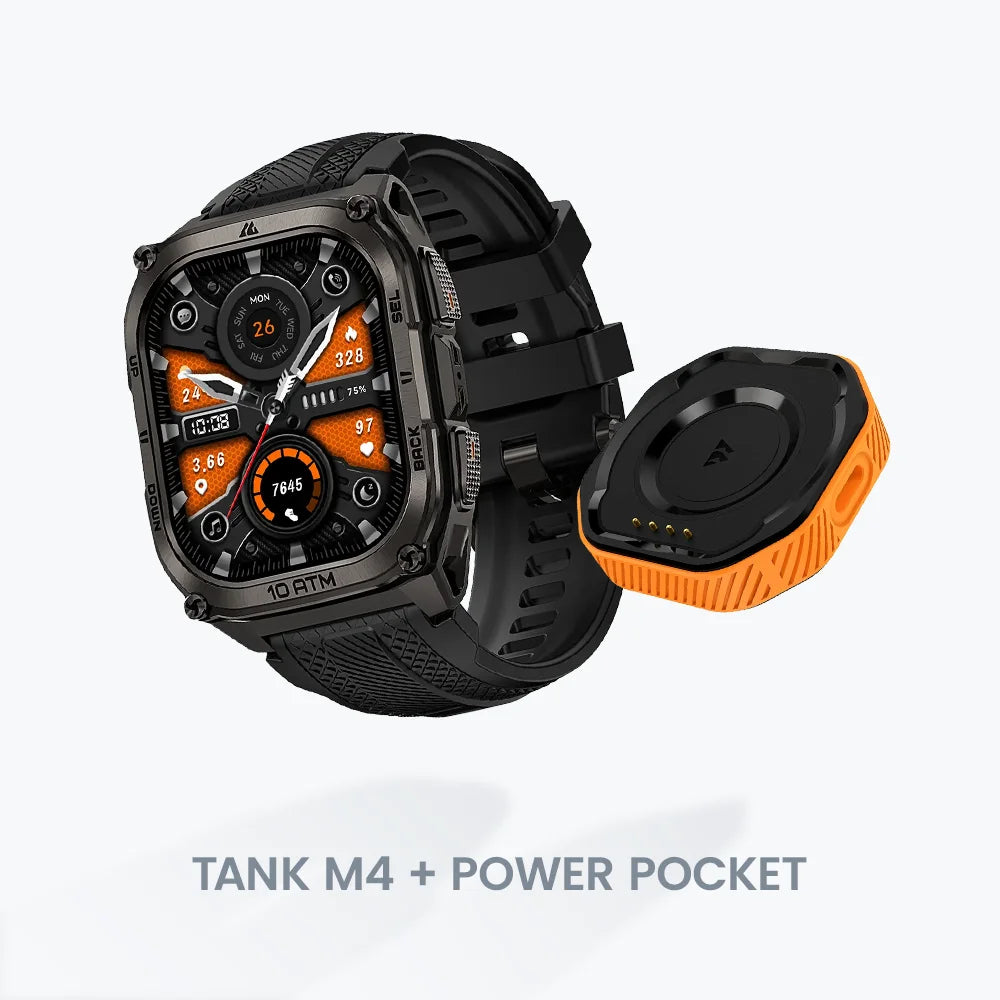
KOSPET Tank T4 is better for outdoor search, route tracking, heavier navigation, and stronger water resistance. KOSPET Tank T4C is better for city patrol and night shift because it is lighter and has a built-in 5-level LED flashlight.
How does a 500mAh battery perform during standard law enforcement shifts?
On KOSPET Tank T4C, the 500mAh battery supports up to 12–15 days of typical use, 8–10 days of heavy use, 18–21 hours of GPS use, and up to 5 hours of continuous LED flashlight use. Real battery life depends on screen brightness, GPS, calls, notifications, and flashlight use.
Are touchscreens on military smartwatches reliable when wearing tactical patrol gloves?
Touchscreens can be difficult with gloves, sweat, rain, or dirty hands. For police duty, physical buttons matter. Watches with both touch controls and side buttons are easier to use during patrol, traffic stops, or bad weather.


Leave a comment
All comments are moderated before being published.
This site is protected by hCaptcha and the hCaptcha Privacy Policy and Terms of Service apply.