








Most runners do not need the longest battery life. They need enough battery life for their real training, real GPS use, and real charging habits.
Battery numbers look simple, but they often hide the part that matters most. A watch may say “up to 14 days,” yet that number usually describes light daily use, not outdoor runs with GPS on. That is why many buyers feel unsure. They see a big number, but they still do not know whether the watch is right for short weekday runs, longer weekend runs, or marathon training.
This guide helps you judge battery life in a practical way. The goal is simple: understand what battery number matters, know what drains power faster, and choose a running watch that matches your training without paying for more than you need.
Running Watch Battery Life: What the Numbers Really Mean
Running watch battery life is not one number. It is usually several different numbers for different situations.
The most common battery numbers mean different things:
- Daily battery life: how long the watch lasts in normal use
- GPS battery life: how long it lasts during outdoor runs
- High-accuracy GPS battery life: how long it lasts with stronger tracking
- Music or navigation battery life: how long it lasts with extra features turned on
Words like “long battery life” sound useful, but they do not show what happens during real runs. A better way to read battery specs is to look for separate numbers for daily use, GPS use, and other high-drain situations. That makes it easier to see whether a watch fits short weekday runs, long weekend runs, or marathon training.
What battery specs look like on a real product page
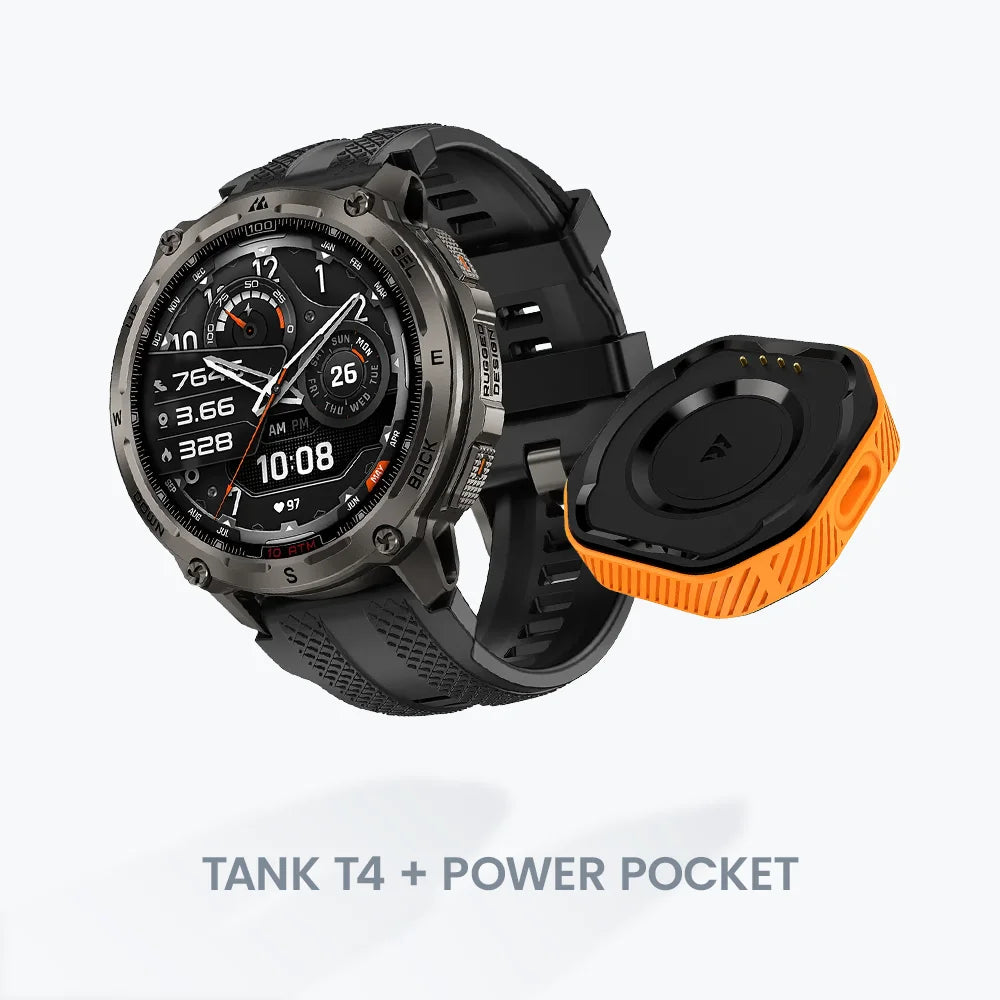
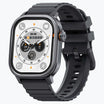
| Battery mode | KOSPET TANK T4 |
|---|---|
| Typical daily use | Up to 14–15 days |
| Heavy daily use | Up to 9–10 days |
| AOD mode | Up to 5–6 days |
| Continuous GPS use | Up to 21–22 hours |
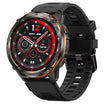
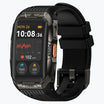
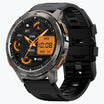
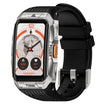
This example shows why separate battery numbers are more useful than a broad slogan. KOSPET TANK T4 figures for typical use, heavy use, AOD mode, and continuous GPS use. KOSPET also supports offline maps and local music storage on the T4, but it does not publicly list a separate battery number for music playback or offline navigation. That still gives runners one clear number to compare first: continuous GPS use.
GPS Battery Life vs Daily Battery Life on a Running Watch
GPS battery life is the number most runners should care about first. It tells you much more than the daily battery number.
Daily battery life matters for comfort. No one enjoys charging a watch every day. Still, daily battery life does not tell the full story for running. A watch can last many days during normal wear and drop much faster once GPS starts tracking a run.
GPS battery life matters because running changes the workload. The watch tracks distance, pace, route, and heart rate at the same time. That is why GPS use is the real test for many runners.
A more useful way to read battery specs is to match them to your running routine. Battery life only becomes meaningful when you connect it to how often you run, how long you run, and how often you want to charge.
| Running pattern | What battery life should cover |
|---|---|
| 3 short runs a week | Enough GPS battery for several sessions without charging after every run |
| 4–5 runs a week | Enough daily battery to support regular GPS use across the week |
| Weekly long run plus weekday training | Enough GPS battery for one longer session and several shorter runs |
| Half marathon or marathon training | Enough GPS battery for long training sessions with some safety margin |
| Trail running or route-based long runs | Enough battery for GPS tracking plus extra drain from navigation or map use |
This is why battery life should be judged by training rhythm, not by one headline number. A watch that looks strong in daily use may still feel limiting once GPS workouts become longer and more frequent.
Also read: How Long Will My Kospet Smartwatch Battery Last?
How Much Battery Life Do You Need for Daily Runs?
Daily runs usually need balance more than extreme battery life. The goal is to make your watch easy to live with, not to buy ultra-endurance features you may never use.
For daily running, the main goal is convenience, not extreme battery life. You need a watch that can handle normal life and 30–60 minute workouts across the week without needing a charger every two days.
The best range for daily runners is usually 7 to 10 days of smart mode use. That gives you enough power for sleep tracking, heart rate tracking, step counting, and 3 to 5 short GPS runs during the week.
- Key requirement: 10–15 hours of total GPS tracking
- User experience: You only need to charge the watch about once a week
- The benefit: Low maintenance. Your watch is ready for daily runs, quick 5Ks, and normal wear without becoming another thing to manage
This level of battery life works well for runners who want steady daily use without thinking too much about charging. It keeps the watch practical, which is often what matters most for short and regular runs.
How Much Battery Life Do You Need for Marathon Training?
Marathon training changes the battery question. Once long runs get longer, GPS battery life matters more than simple day count.
Marathon training needs strong GPS endurance and a clear battery buffer. During a marathon training cycle, long weekend runs can last 2 to 4 hours. On race day, the watch may need to stay active for 4 to 6 hours with GPS, heart rate tracking, and other sensors running the whole time.
A good marathon training watch should offer at least 30 to 40 hours of continuous GPS battery life. That may sound like more than race day needs, but longer battery life gives you more safety margin for high GPS use, repeated training sessions, and battery drop over time.
- Key requirement: 25+ hours in high-accuracy GPS mode
- User experience: The battery should still feel safe before a 3-hour long run, not already close to empty
- The benefit: Training confidence. You do not need to worry about the watch dying late in a long run or during the most important part of race-day tracking
The difference between daily runs and marathon training becomes easier to see when you compare them side by side.
Quick Comparison
| Feature | Daily Runs (3–10 km) | Marathon Training (42.2 km) |
|---|---|---|
| Primary goal | Minimize charging frequency | Stay reliable on race day |
| Typical workout | 30–60 minutes | 2–4 hours long runs |
| Required GPS life | 10–15 hours | 30–50 hours |
| Smart mode needs | 7+ days | 14+ days under heavier use |
| Critical metric | Ease of use | Battery buffer |
What Drains Running Watch Battery During GPS Workouts?
GPS workouts drain battery faster because several features work at the same time. That is why real battery life often feels shorter than the headline number.
The biggest battery drains usually include:
- More precise GPS modes: stronger tracking often uses more power
- Offline maps or navigation: route support adds more workload
- Music playback: local music and Bluetooth audio use more battery
- Always-on display: a bright screen uses more power during longer runs
- Frequent notifications: smartwatch features also add smaller battery drain
Battery drain is not the problem by itself. The real problem is that many buyers only notice one top-line battery claim and do not see how much the number can change once GPS, music, and route support start working together.
This is why runners should look beyond the biggest battery promise. Real use matters more than a single headline number.
Which Battery Specs Matter Most on a Running Watch?
The most useful battery spec is the one that matches your real training. Specs only become helpful when you connect them to your actual use.
For runners, continuous GPS use is the first battery number to check. Daily battery life still matters, but it does not tell you how the watch performs during real outdoor training. Long runs, repeat GPS sessions, music, and map use all put more pressure on the battery.
Battery specs become easier to judge when you ask simple questions:
- How long is my longest normal run?
- How many GPS sessions do I do each week?
- Do I use music, maps, or route navigation?
- How often am I willing to charge my watch?
This kind of reading is much more useful than looking for the biggest number on the page. A battery spec only helps when it answers one clear question: is it enough for the way I actually run?
How to Choose the Right Running Watch Battery Life
Start with your running routine before you look at any product page. Battery life only makes sense when you know how often you run, how long your usual workouts last, and what kind of training goal you are building toward.
Your weekly training pattern should shape your battery needs. A runner who goes out for three short runs each week does not need the same battery setup as someone training for a half marathon, building long weekend mileage, or using GPS for every session.
Your goal matters as much as your current pace. Some runners want a watch for general fitness and a few outdoor runs each week. Others want a running watch that can stay reliable through longer training blocks, race preparation, and route-based workouts. Those two users should not judge battery life in the same way.
A simple way to choose is to write down three things first:
- how many times you run each week
- how long your longest run usually lasts
- whether you use GPS only, or also music, maps, and route navigation
Once you know those three things, battery specs become easier to read. You are no longer asking, “Is this battery life long?” You are asking, “Is this battery life enough for the way I actually run?” That is the better question, and it leads to a better watch choice.
Conclusion
The right running watch battery life depends on how you actually run. Daily runners need easy, low-stress battery life, while marathon runners need stronger GPS endurance and more safety margin.
The best choice is not always the watch with the biggest number. It is the watch with battery life that fits your training routine, GPS use, and charging habits.
FAQ
How much GPS battery life is enough for most runners?
For most daily runners, 10–15 hours of total GPS battery life is enough. It covers several short runs each week without frequent charging.
Is daily battery life or GPS battery life more important?
GPS battery life matters more for running. Daily battery life is still useful, but it does not show how the watch performs during real outdoor workouts.
Do beginners need a long battery life running watch?
Usually not. Most beginners need a watch that is easy to charge, simple to use, and reliable for short to medium GPS runs.




Leave a comment
All comments are moderated before being published.
This site is protected by hCaptcha and the hCaptcha Privacy Policy and Terms of Service apply.