





Free & Fast shipping
Free shipping on all rugged smartwatch orders over $99.
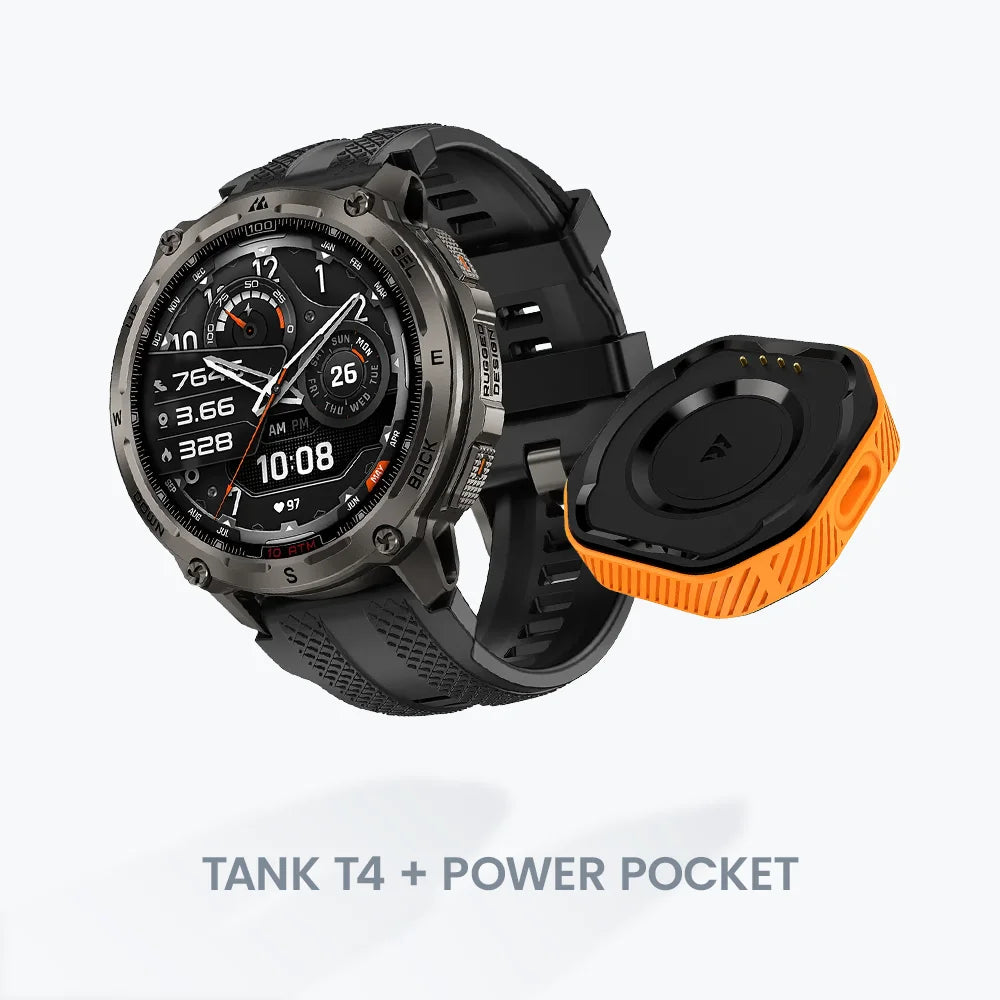
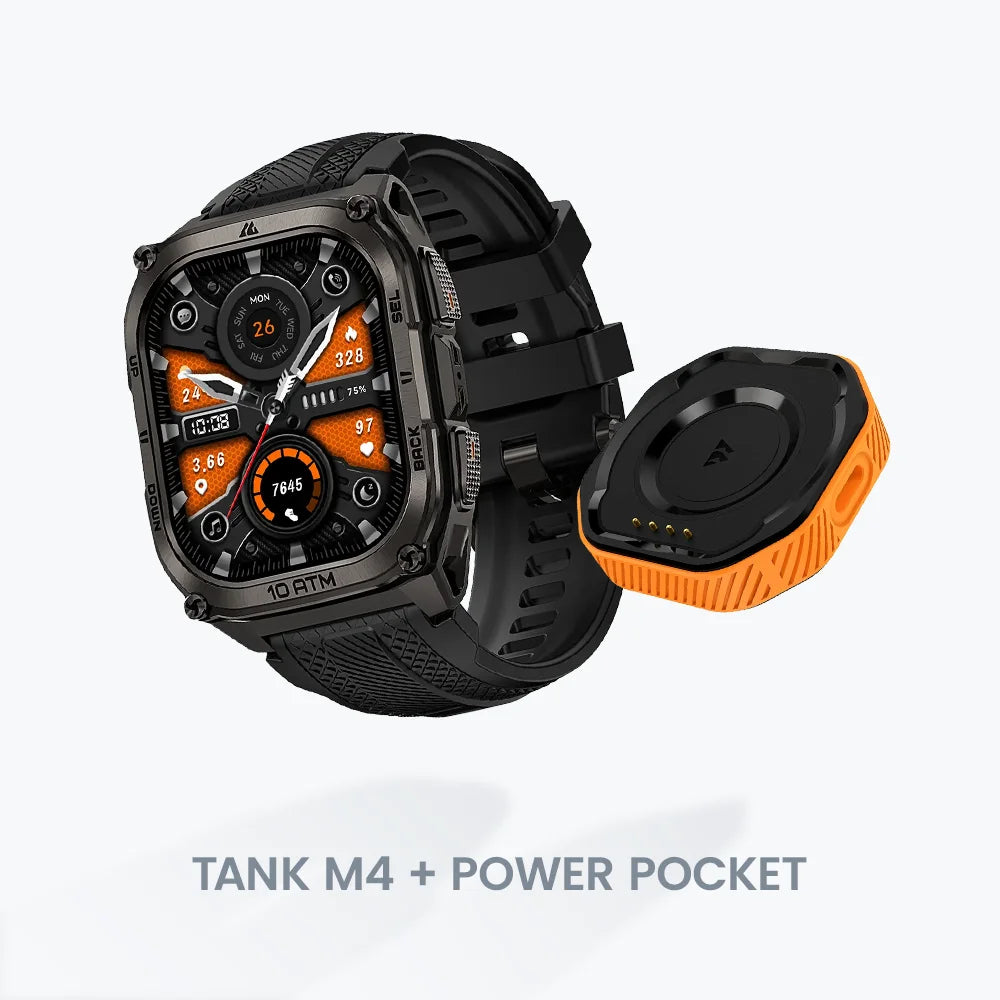
KOSPET diving watch uses a decompression model based on the Bühlmann ZHL-16C Decompression Algorithm, developed by Swiss physician Alfred Bühlmann in the 1980s.
This algorithm has become a standard in diving, known for its accuracy in preventing decompression sickness by modeling nitrogen absorption and release in the body.
The Bühlmann ZHL-16C algorithm divides the body into 16 tissue compartments, each with distinct rates of nitrogen uptake and elimination. To ensure a controlled release of nitrogen during an ascent, the algorithm calculates the safe ascent profile, determines no-decompression limits (NDL), and requires decompression stops based on dive depth and time.
Gradient Factors (GF) in the Bühlmann ZHL-16C algorithm are key parameters that allow divers to adjust the conservatism of their decompression plans.
By modifying these values, divers can control the safety margins of their ascent profiles, helping to minimize the risk of decompression sickness.
Here’s how GF works:

When both GF Low 30% and GF High 70% are used, the algorithm becomes more conservative, recommending deeper and longer decompression stops for added safety, though it may extend the dive duration.
Lower settings such as GF Low 10% and GF High 50% allow for faster ascents with shorter decompression stops. This may increase the efficiency of the dive but also raise the risk of decompression sickness.
The standard setting for most recreational dives is GF Low 30% and GF High 70%, offering a balanced decompression profile that prioritizes safety while maintaining dive efficiency.

KOSPET’s Scuba Diving Mode lets you switch between three decompression conservatism levels: Conservative (GF 30/70),Default (GF 40/85), and Aggressive (GF 35/75).
By adjusting GF, divers can customize their ascent profiles according to dive conditions, depth, time, and personal safety preferences, allowing for flexible and controlled decompression planning.
As the diver begins the descent, the increasing pressure causes nitrogen to dissolve into the body’s tissues. In this phase, the Bühlmann ZHL-16C algorithm calculates how much nitrogen is absorbed by each of the 16 tissue compartments, with tissues like blood absorbing nitrogen more quickly than slower tissues like fat.
The algorithm tracks this nitrogen absorption in real time, adjusting the safe ascent profile to ensure the diver doesn’t exceed safe nitrogen limits.
The deeper the diver goes, the faster the nitrogen is absorbed, so the algorithm adjusts the rate of ascent accordingly for later stages of the dive.
At the dive’s deepest point, nitrogen continues to accumulate in the tissues until equilibrium is reached. The NDL (No-Decompression Limit) is calculated by the algorithm based on nitrogen levels in the tissues and the M-values (maximum allowable nitrogen concentrations) at that depth.
As long as the nitrogen concentration remains below the M-value, the diver can stay at that depth without the need for decompression stops.
Once the NDL is reached, the algorithm adjusts the ascent profile, planning decompression stops if necessary. The Gradient Factors (GF) play a role here, as they determine how conservative the decompression stops will be:
GF Low 30% results in deeper and longer stops at the start of ascent, ensuring safer nitrogen release.
GF Low 10% shortens these stops, allowing for a faster ascent but increasing the risk of bubble formation.
As the diver ascends, nitrogen is released from the tissues as the pressure decreases. The algorithm controls the ascent rate to prevent rapid nitrogen outgassing.
If the NDL is exceeded, the algorithm calculates the necessary decompression stops, determining stop depths and durations based on the remaining nitrogen in the tissues. The GF High value adjusts the final portion of the ascent:
GF High 70% results in shallower stops and may result in a faster ascent, reducing decompression time but increasing risk.
GF High 50% offers a more gradual ascent with deeper, longer stops, allowing for safer nitrogen off-gassing but increasing dive duration.
The Gradient Factors (GF) give divers flexibility to adjust the algorithm to suit personal safety preferences, dive conditions, and dive depth, allowing for customized decompression planning.
Oxygen exposure is a key factor in dive safety, especially when using enriched gas mixtures such as Nitrox and Trimix.
The Bühlmann ZHL-16C algorithm monitors oxygen exposure throughout the dive by calculating the oxygen partial pressure (PPO₂) according to depth and gas composition. In Scuba Mode, the watch is operated with a single gas mixture, applying these calculations consistently throughout the dive.
As depth increases, PPO₂ rises, which can lead to oxygen toxicity if not properly controlled. To prevent this, the algorithm follows conservative limits and continuously tracks CNS (Central Nervous System) toxicity and OTU (Oxygen Tolerance Units) during the dive.
By maintaining these parameters within safe thresholds, the system reduces the risk of excessive oxygen exposure and ensures safer diving conditions.
Key safety features include:
High and low PO₂ alarms alert the diver if the oxygen partial pressure moves beyond preset limits, helping to avoid oxygen toxicity.
These safeguards work together to keep the diver informed at every stage of the dive, maintaining oxygen exposure within controlled limits for both safety and precision.
The Bühlmann ZHL-16C algorithm plays a vital role in ensuring diver safety, but it's important to remember that all decompression models are theoretical and do not monitor a diver’s real-time physiological condition.
While the algorithm calculates nitrogen absorption and determines safe ascent profiles, it cannot guarantee the complete absence of decompression sickness (DCS). Its purpose is to minimize the risk by providing scientifically derived dive profiles based on depth, time, and nitrogen levels in the tissues.
Always ensure consistency between dive planning and actual settings. Changing personal or altitude adjustments after the dive plan has been made can lead to longer decompression times, deeper stops, and greater gas consumption, putting the diver at risk. For optimal safety, always use the same settings during the planning stage and the dive itself.


