




Free & Fast shipping
Free shipping on all rugged smartwatch orders over $99.
Every dive begins long before a diver enters the water — in the calm moments of preparation, in the slow breathing before descent, and in the awareness that the ocean always rewards those who respect it.
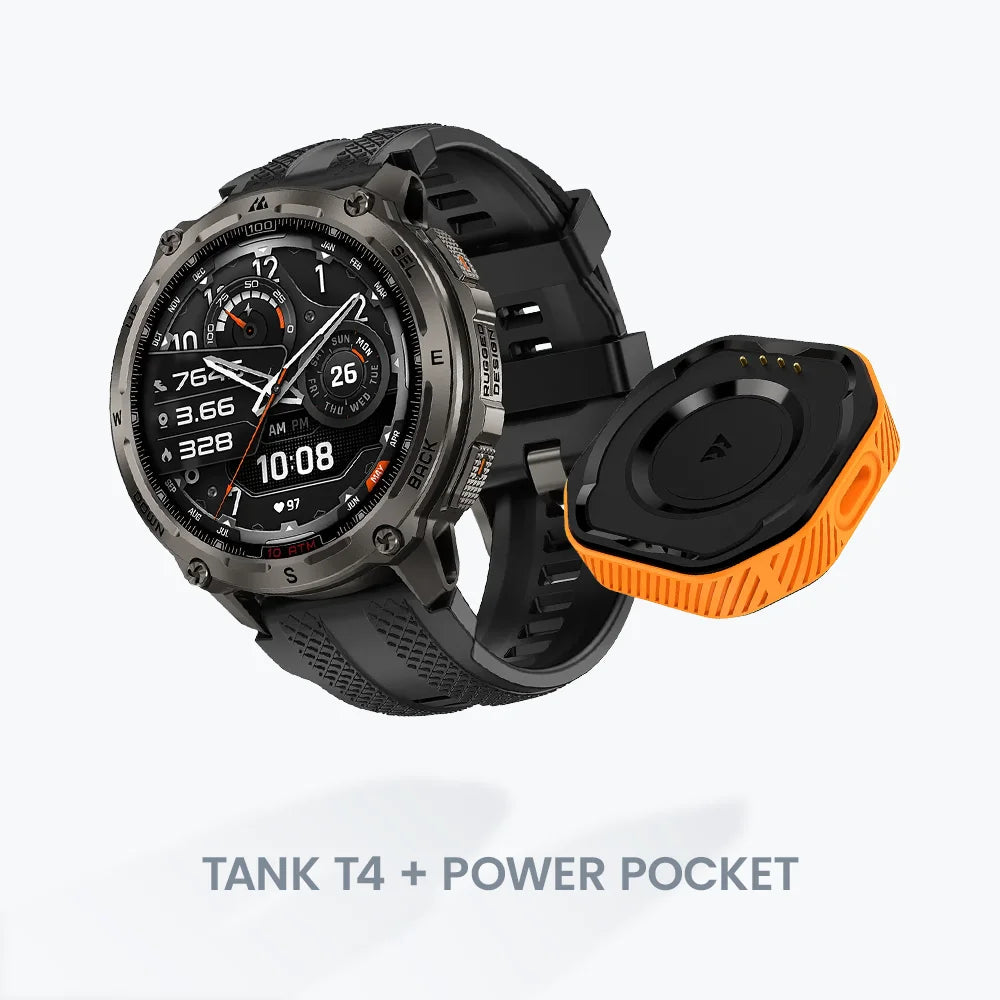
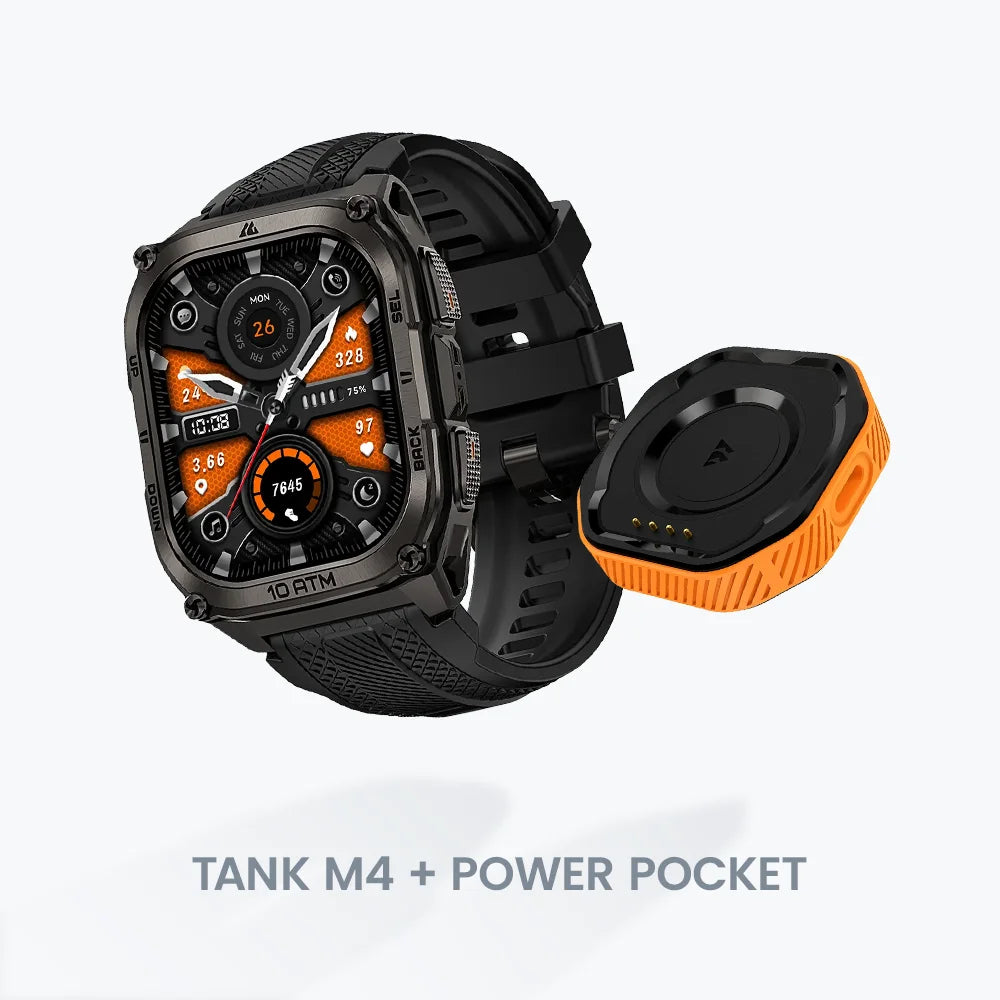
KOSPET’s three diving modes: Freediving, Leisure Scuba Diving, and Gauge Diving are crafted not just to record numbers, but to guide divers through every stage of their underwater journey.
Each mode translates the science of diving into intuition — helping divers understand, adapt, and move with the ocean’s rhythm.
Freediving is the art of simplicity: one breath, one descent, one moment of stillness. Freedivers don’t rely on tanks or complex gear; they rely on awareness and that’s exactly what this mode supports.
Before every dive, patience sets the tone. Divers can set personal reminders for depth, time or speed, after which the watch sends subtle vibrations once a limit is reached. These are not warnings but quiet markers of progress.

For those practicing breath-hold training, the device helps track consistency and improve safety while reminding divers to conduct all breath-holding training on dry land.
Once underwater, silence becomes the guide. The display shows depth, speed, and temperature in real-time data that helps divers read how their body already feels.
The following colored indicators reflect movements with different ascent and descent speed.


These colors are more than visuals; they reflect physiology. A rapid ascent can trigger sudden pressure changes and even shallow-water blackout. This color-coded feedback keeps divers safe through awareness, not interruption.
After surfacing, the watch returns to the recovery screen, showing the last dive’s maximum depth, duration, temperature curve, and recommended surface interval.
This surface interval allows oxygen levels to rebalance and prepares the body for the next descent.
With each dive, the diver learns not just to go deeper, but to go calmer, turning data into understanding and technique into flow.

Scuba diving is about control through curiosity. With a single tank, a diver steps into a world that demands both calculation and calm.
Leisure Scuba Diving Mode was designed to make that balance effortlessly, guiding divers through every phase of preparation, descent, and ascent with quiet precision.
Every safe dive starts with proper setup. Before entering the water, divers should set up the following four key parameters:

These small adjustments take less than a minute but define the tone of the dive —measurable, calm, and ready for exploration.
Time and depth shape every decision underwater. KOSPET’s diving watch display simplifies complex dive data into clear, meaningful signals that help divers stay aware of their condition at every moment.
NDL: The Safety Zone

When a dive begins, the watch shows the No-Decompression Limit (NDL), the time a diver can remain at a given depth without needing decompression stops.
Staying within NDL means the body can safely ascend without pausing, because nitrogen absorbed under pressure remains within safe limits.
As the NDL timer shortens, it’s a gentle cue that the body is approaching its saturation point. The diver can choose to ascend gradually or move to a shallower depth to extend dive time.
DECO: The Structured Ascent

Once the NDL reaches zero, the dive enters Decompression (DECO) status. The watch instantly recalculates and guides the diver through specific decompression stops — depths and durations that allow nitrogen to safely release from the bloodstream.
These stops are not interruptions but essential transition moments to let physiology catch up with exploration. Some dives may require multiple pauses at different depths, each precisely timed.
KOSPET presents this data clearly so divers know when to move, when to wait, and when to continue the ascent with confidence.
Safety Stop: The Final Pause

Even when no decompression is required, the device recommends a Safety Stop — typically three to five minutes at about five meters. This last pause serves as a buffer against micro-bubble formation, giving the body extra time to equalize before surfacing.
The watch automatically tracks this interval, prompting the diver to remain within the optimal range and alerting gently if the depth drifts too shallow or too deep. When the timer completes, a calm confirmation appears — a signal that the ascent can continue safely.
Together, these indicators turn technical diving theory into intuition. Instead of calculating, the diver simply breathes, observes, and follows — staying fully immersed in the experience while KOSPET quietly manages the science beneath the surface.
When the diver surfaces, the mode transitions into rest. The screen now shows:

It’s not just data; it’s a narrative of performance and safety combined.
The watch also calculates surface interval time, ensuring divers fully off-gas nitrogen before descending again. After a decompression dive, the algorithm automatically disables Freediving and Scuba modes, ensuring the diver rests until the body releases residual nitrogen.
Once back on land or onboard, all data syncs with the Apexmove app, creating a visual logbook of depth, temperature and dive location — a personal underwater diary built on precision.
Some divers prefer full control — those who plan every stop, track every minute, and dive by their own tables. For them, Gauge Mode offers pure simplicity: depth, time, speed, direction and temperature.
Divers review their dive tables, calculate gas loads, and confirm ascent schedules. Gauge Mode does not perform decompression calculations; it simply records and displays essential data with precision.
Gauge Mode works as a secondary instrument or backup to a primary computer. The watch displays only essential information such as depth, speed, and temperature, allowing divers to stay focused on their plan.
Upon surfacing, the watch records the session’s key values such as maximum depth, total dive time, and a temperature curve.

In this mode, divers are responsible for their own dive plans, decompression calculations, and safety judgments. A reminder remains that proper training and caution are essential before using Gauge Mode.
Gauge Mode doesn’t instruct; it requires experience.
Safety doesn’t stop when the dive ends.
KOSPET diving watch continues to guide divers through recovery and preparation, ensuring every next dive begins with the same awareness as the last.
This function clears the residual nitrogen loading stored in the algorithm. It should only be used when the device is passed to another diver and only if both divers have been out of the water for at least 72 hours. Resetting too soon may cause unsafe calculations on future dives.
After deep or decompression dives, the device may temporarily disable Freediving and Scuba Diving modes to ensure that nitrogen is fully released from the body before the next descent. Gauge Mode remains available for those who take full responsibility for their own limits.

Flying or ascending to altitude too soon after diving increases decompression risk. KOSPET’s no-fly countdown reminds divers when it’s safe to travel again — typically 12 hours after a normal dive, or 24 hours after a decompression dive.
Each of these reminders exists for one reason: to protect the diver even after the dive is over.
Because true awareness doesn’t end at the surface — it’s what brings you safely back beneath the waves again.
From the quiet control of a single breath to the calculated depth of scuba and the precision of gauge diving, KOSPET diving watch modes are designed to move with every diver’s rhythm.
Each mode transforms complex physics into intuition — turning preparation into mindfulness, data into confidence, and every dive into a story worth remembering.
Because under every wave, awareness is the real depth.


