



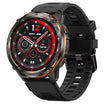
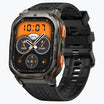
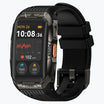
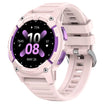

The smartest way to track fitness progress is to stop chasing flashy numbers and start watching the few signals that truly change over time. Most people feel stuck not because they lack data, but because they trust the wrong proof of progress.
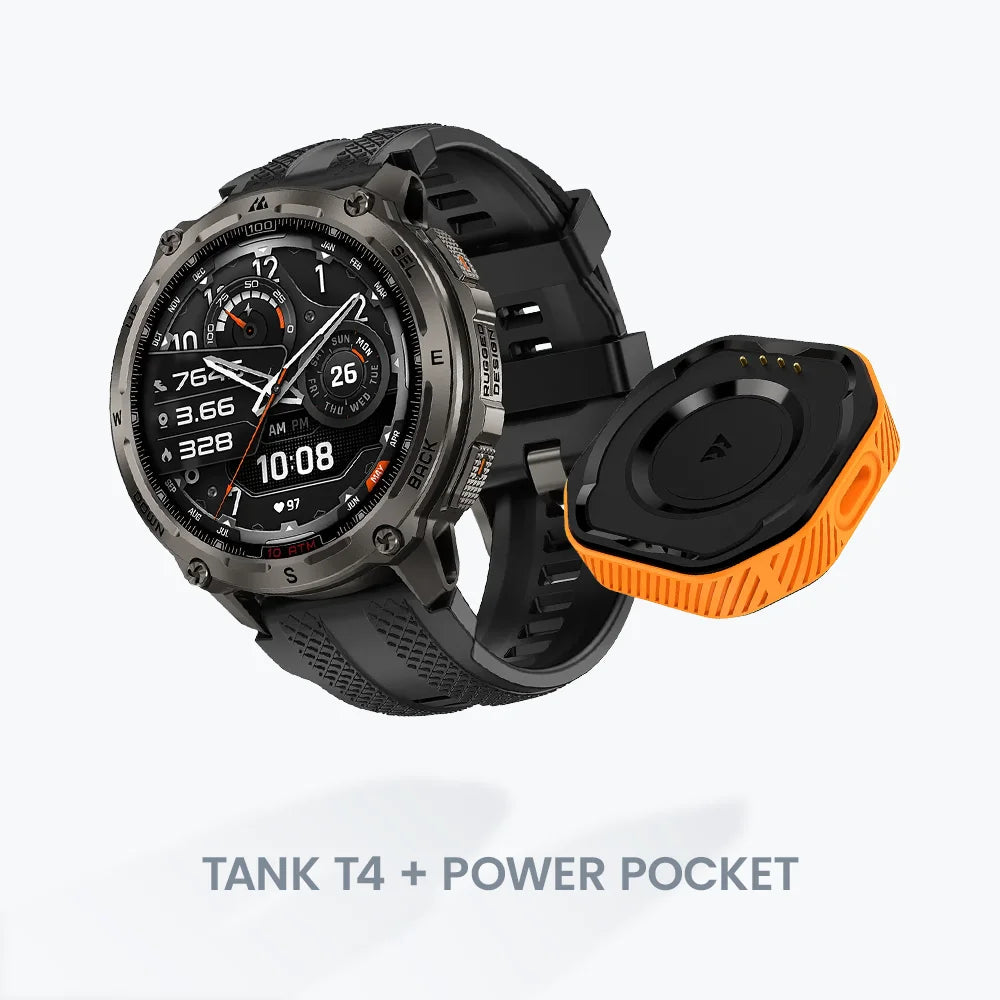
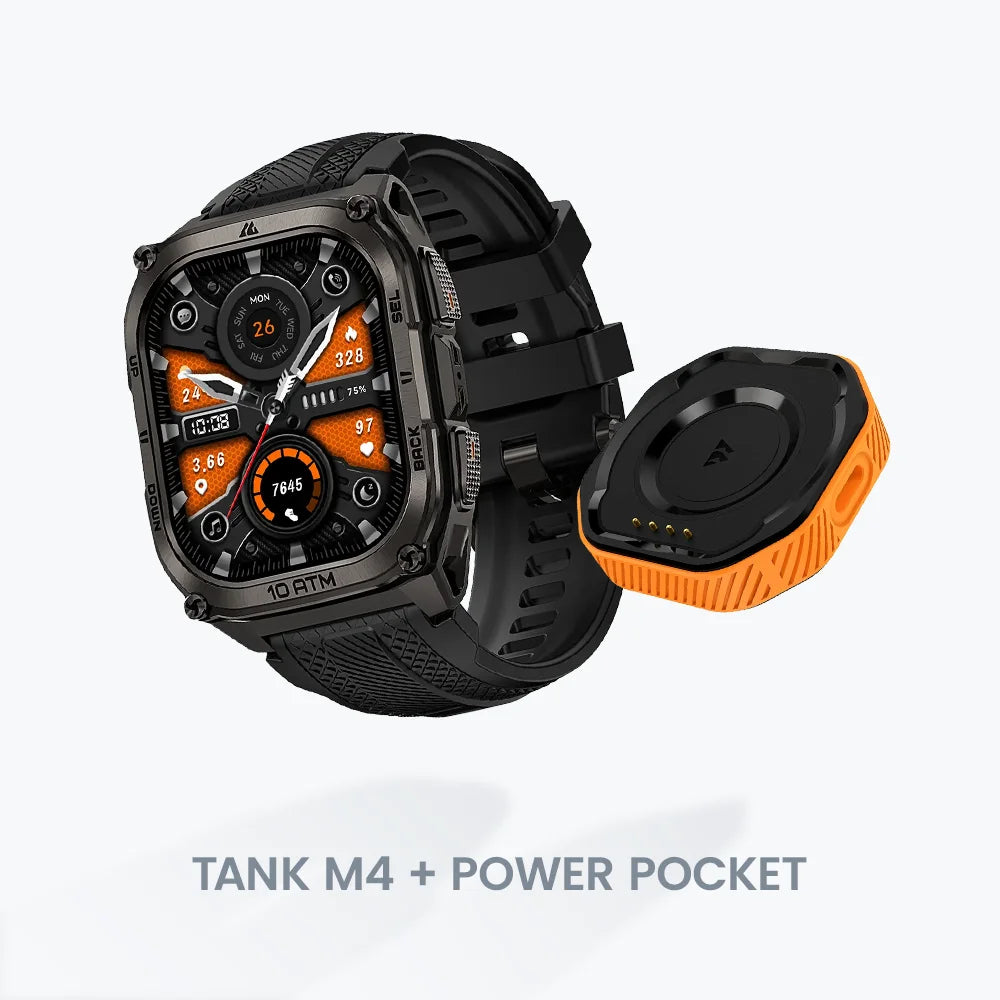
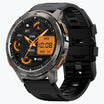
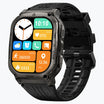
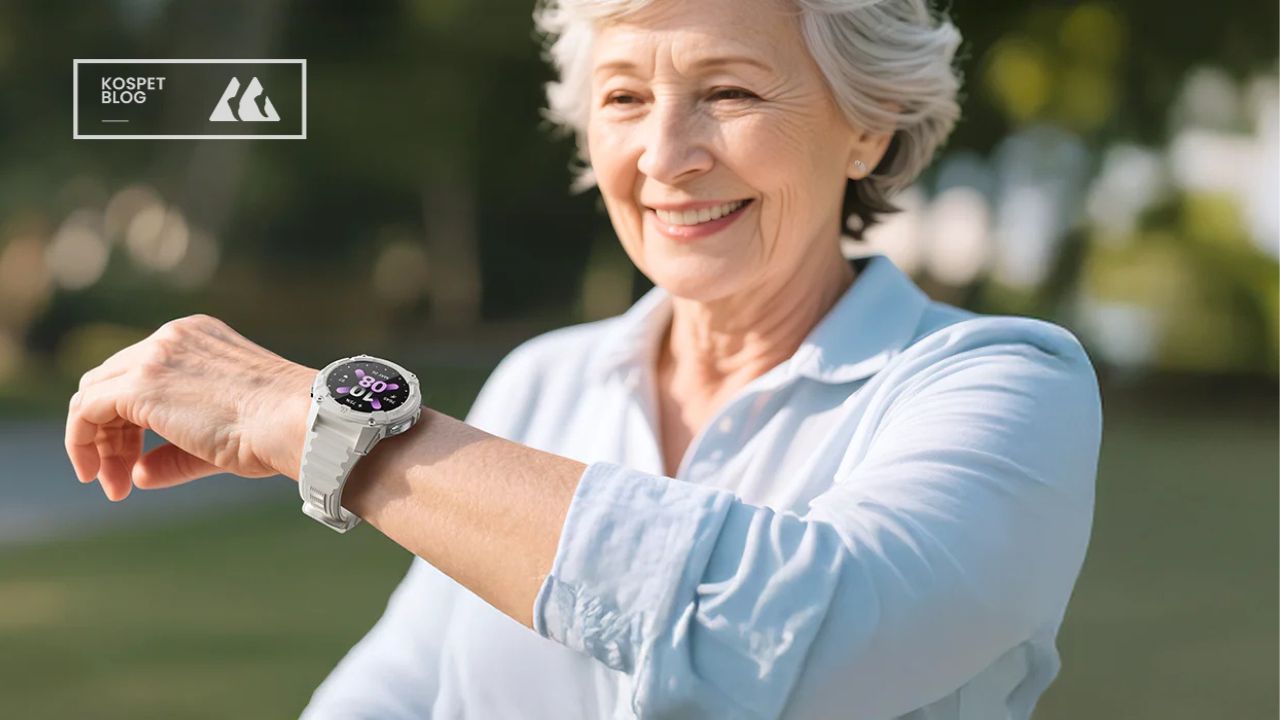
KOSPET smartwatch becomes useful when it helps you focus on daily movement, workout consistency, heart rate patterns, and sleep quality instead of one weigh in or one calorie number. KOSPET says the Apexmove app shows metrics such as steps, heart rate, SpO₂, sleep quality, and time based reports, although available features vary by model.
Why Tracking Fitness Progress Matters More Than Just Exercising
Tracking makes progress visible. Exercise feels productive in the moment, but feelings alone do not show whether your routine is getting stronger, more regular, or easier for your body to handle. A watch matters because it turns effort into a record you can review instead of a memory you guess about later.
Consistency matters more than dramatic effort. Most people do not need one perfect workout. They need a routine they can repeat. That is also how public health guidance is framed.
Adults are advised to get at least 150 minutes of moderate activity a week or 75 minutes of vigorous activity, plus muscle strengthening on at least 2 days, which shows that progress is built through regular effort across the week.
Start with Your Goal Before You Look at the Data
Fitness data becomes confusing when every metric gets treated as equally important. Most people do not need to track everything. They need to track the small number of signals that match their real goal.
For weight loss
Weight loss progress is bigger than the number on the scale. Steps, active minutes, workout frequency, and sleep quality often tell a more honest story because they show whether daily habits are becoming more active and more repeatable. CDC also notes that people vary in how much activity they need for weight management, which is why behavior trends matter more than one daily reading.
For better endurance
Endurance progress shows up when the same work feels easier. A familiar walk starts to feel lighter. A steady run feels more controlled. Recovery becomes smoother. That is real progress, even before appearance changes.
For daily activity habits
Daily activity habits improve when movement becomes normal. Many people do not need advanced training analysis. They need more steps, more active time, and fewer long inactive stretches. In that situation, a smartwatch works best as a habit tool.
For general health awareness
General health awareness gets stronger when you track a few basic signals over time. Steps, heart rate, sleep, and activity patterns help you notice whether your routine is balanced or slipping. Sleep deserves serious attention here because NHLBI says sleep plays a vital role in physical health and well being.
What Fitness Metrics on a KOSPET Smartwatch Actually Show Progress
Not every smartwatch metric deserves the same attention. A KOSPET smartwatch becomes valuable when it helps you focus on the few signals that actually show whether your routine is becoming more active, more consistent, and easier for your body to handle. KOSPET highlights steps, heart rate, sleep quality, and longer range report views in Apexmove.
-
Steps and daily activity
Step count is more useful than many people think because it reflects real daily behavior. Higher weekly steps and more active days show whether movement is becoming part of normal life. KOSPET presents steps as a core metric in Apexmove and on PULSE product messaging. -
Workout frequency and consistency
Consistency is more valuable than intensity for most users. One hard workout can feel productive, but lasting progress usually comes from repeating useful sessions across many weeks. A workout record helps prove whether you are truly showing up often enough to improve. -
Heart rate trends
Heart rate matters most when it helps explain effort and recovery. A steadier heart rate during familiar activity or a lower resting heart rate over time can point to better conditioning. The American Heart Association notes that resting heart rate is affected by stress, medication, and physical activity level, and more active people may have lower resting heart rates. -
Distance, pace, and workout performance
Distance and pace show performance in a direct way. These metrics matter for walking, running, and similar activities because they reveal whether you are moving farther, moving faster, or keeping the same pace with less strain. -
Sleep and recovery data
Sleep is not extra health data. Sleep is one of the clearest signs of whether training can actually lead to progress. KOSPET says sleep tracking uses heart rate, heart rate variability, and body movement, and NHLBI says sleep supports physical health and daily function.
How to Tell If You Are Really Improving
Real progress usually looks less dramatic and more repeatable than most people expect. The clearest signs are not flashy. They show up when familiar activity feels easier, recovery becomes smoother, and weekly patterns become stronger.
-
Look for trends, not one day changes
Daily smartwatch data is noisy. Sleep, stress, workload, and routine changes can move a number up or down. Weekly and monthly patterns are more honest than one day. -
Compare effort with performance
The clearest sign of progress is often doing the same work with less strain. The same route feels easier. The same workout leaves less fatigue. That is adaptation. -
Notice recovery improvements
Recovery is not a bonus sign of progress. It is one of the strongest signs that your routine is sustainable. Better sleep and steadier energy often matter more than one impressive session. NHLBI links good sleep with physical health and day to day function. -
Use weekly patterns to judge progress
Weekly review is more honest than daily checking. KOSPET’s Apexmove reporting is built around daily, weekly, and monthly views, which makes trend review a better fit than reacting to one isolated reading.
How to Review Your Fitness Data Each Week Without Feeling Overwhelmed
A simple review system is better than constant monitoring. Too many numbers create pressure. A short review creates clarity.
Pick three key metrics
Three key metrics are enough for most people. Weight loss usually benefits from steps, active minutes, and sleep quality. Endurance usually benefits from distance, pace, and recovery. Health habits usually benefit from steps, active days, and workout frequency.
Review once a week
A weekly review works better than daily judgment. One check at the end of the week gives enough space to notice real patterns without turning every small fluctuation into a problem.
Adjust small goals instead of chasing perfect numbers
Small goals create stronger habits than perfect targets. A little more movement, one more workout a week, or a steadier bedtime routine all count as meaningful progress. That is the kind of progress that lasts.
How to Use ORB or PULSE to Track Your Health
ORB and PULSE work best as simple health tracking watches for daily life.
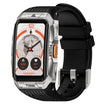
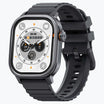
KOSPET ORB as a lightweight daily workout watch designed for comfort, simplicity, daily routines, and light exercise.

KOSPET PULSE as an everyday health monitoring watch focused on steps, heart rate, sleep, and healthy daily habits. That means these models are strongest when used for health awareness and habit tracking, not as advanced training computers.

Steps are the clearest starting point because they show whether you are moving enough across the week. For most everyday users, this is more useful than obsessing over calories.
- Use heart rate as a trend
Heart rate becomes useful when you review patterns over time, not one reading on one day. KOSPET also states that heart rate and other health data are for reference only and not for clinical use, so trend tracking is the smarter use.
- Review sleep every week
Sleep matters because poor recovery weakens energy, consistency, and workout quality. PULSE is marketed around everyday health monitoring, and KOSPET’s sleep tracking guidance treats sleep trends as part of daily wellness review.
- Focus on habits, not perfect numbers
ORB and PULSE are better at helping you build healthier routines than proving dramatic fitness change in one day. That is not a weakness. That is their real value.
Conclusion
Progress becomes easier to see when you track the right things. For most people, the smartest metrics are not the flashiest ones. Steps, workout consistency, heart rate trends, pace, distance, and sleep patterns tell a better story than calories alone or one weigh in. A KOSPET smartwatch is worth using when it helps you see those patterns clearly and stay focused on habits that actually lead to results.
FAQ
What is the best metric to check first on a fitness smartwatch
Daily steps are the best place to start for most people because they reflect real behavior and are easy to review over time.
Does a lower resting heart rate always mean better fitness
No. A lower resting heart rate is common in more active people, but stress, medication, sleep, and other factors affect it too.
Can ORB or PULSE diagnose health problems
No. KOSPET says heart rate, blood pressure, and other health data from its smartwatches are for reference only and not for clinical use.


Leave a comment
All comments are moderated before being published.
This site is protected by hCaptcha and the hCaptcha Privacy Policy and Terms of Service apply.