



Most guides about waterproof watches repeat the same table of ratings and stop there. In real life that is not enough. People ruin watches in the shower, in a hotel pool, or during a weekend dive, even though the case back proudly says thirty metres or fifty metres.
If you search for watches that are waterproof, you are usually in one of three situations.
- You already own a watch and you want to know if it will survive swimming or showering.
- You are about to buy a smartwatch and you want a safe level of water protection.
- You had a watch fail in water once and you never want to repeat that mistake.
To answer that properly you need more than marketing words. You need to understand what those small numbers and letters on the watch actually mean and how they behave once the watch leaves the test tank.
Why waterproof watch labels often mislead ordinary buyers
Here is the first painful fact. The international standard for water resistant watches forbids the word waterproof on watches at all. Brands are supposed to use only water resistant together with a test pressure in metres, bar or ATM.
The warning is clear. A watch can resist water to a tested pressure once, in a controlled lab test, but it is not promised to survive real diving to that depth over and over. cite
This gap between test and reality creates most of the user pain.
- A watch marked thirty metres often fogs after a hot shower, even though thirty metres sounds very deep.
- Many smartwatches show IP ratings such as IP68 but the brand page quietly says not suitable for diving or high velocity water. cite
- Some fashion watches only print water resistant with no rating at all. Many users assume this means they can swim with it. In practice you should treat those as not waterproof.
My clear position as a writer in the smartwatch field is this. Ignore any watch that relies on the word waterproof without a specific rating. Assume it is not safe in real water.
How waterproof watch ratings really work in science
To judge a watch you need to know what the ratings actually test. There are two main systems on watch cases.
ATM and metre ratings for water resistant watches
ATM means atmospheres. One ATM is roughly the pressure of ten metres of water. In the lab a sample of new watches is placed in still water and pressurised. A 10 ATM watch is tested at one hundred metres of static water pressure with an extra margin of safety.
The important part is that the test is static and short. Your real life use is dynamic and repeated. Arm swings, sudden jumps into water, impacts, hot then cold water, all create pressure changes and stress the seals. That is why a watch marked thirty metres is not meant for actual swimming at thirty metres.
In practice, common ratings translate roughly like this. cite
- 3 ATM or thirty metres, fine for rain and hand washing, not for swimming.
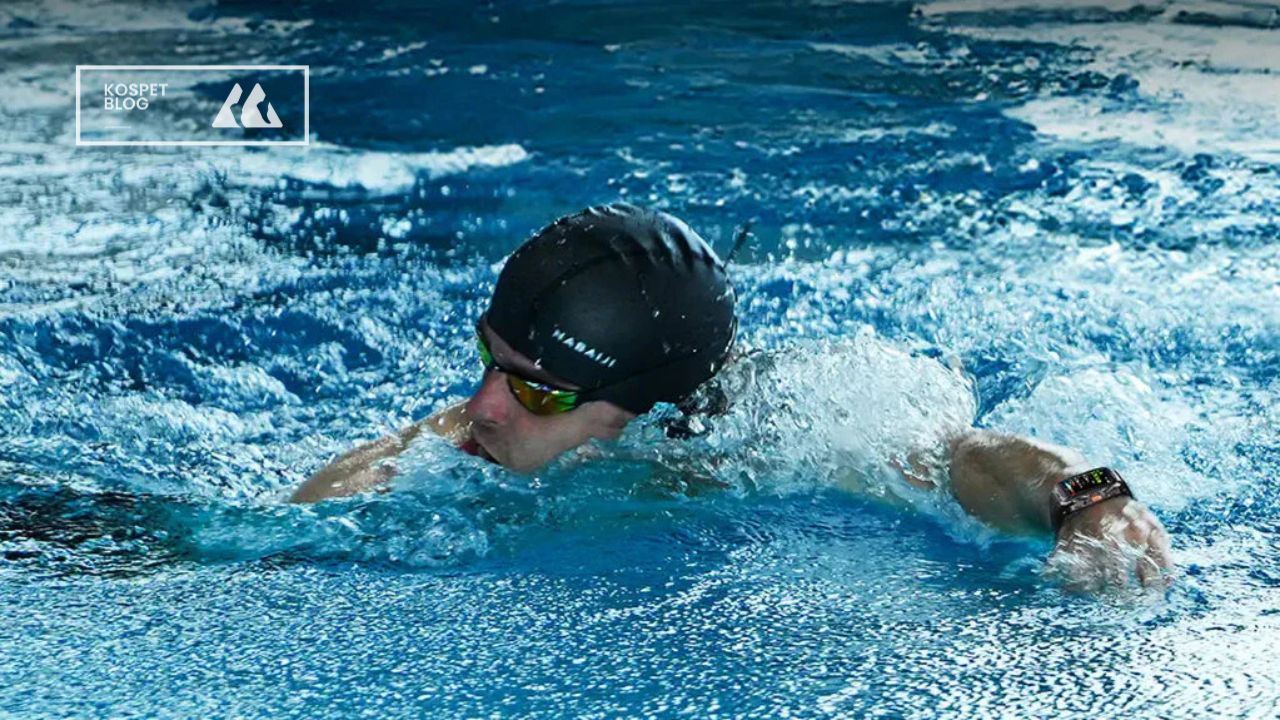
- 5 ATM or fifty metres, fine for shower, surface swimming in a pool, short time in shallow water.
- 10 ATM or one hundred metres, fine for regular swimming, snorkelling and most surface water sports.
- 20 ATM or above, intended for serious water sports and many diving situations.
IP ratings for waterproof smartwatches
The IP code comes from the standard for ingress protection of enclosures. The first digit shows protection against dust. The second digit shows protection against water.
For example, IP67 means dust tight and resistant to immersion in one metre of fresh water for a short time. IP68 means the maker defines a deeper or longer immersion, for example one and a half metres for thirty minutes.
A key point. IP ratings and ATM ratings come from different tests. IP67 protects a smartwatch from short accidental immersion. It is not a guarantee for lap swimming every day. Many brands, including big phone makers, explicitly say that IP67 devices are not for pool training.
For regular swimming, IP67 alone is not enough. You want at least five ATM or a combination such as five ATM plus IP68 or IP69K from a serious brand.
also read: Understanding Waterproof Sports Watch Ratings
Step By Step Checklist To Tell If Your Watch Is Truly Waterproof
Now we move from theory to practice. Imagine you hold a watch in your hand and you need a yes or no about water. Follow this checklist.
Step 1: read the markings with zero emotion
Turn the watch over and look for clear text. You are searching for any of these patterns.
- Water resistant 3 ATM or thirty metres
- Water resistant 5 ATM or fifty metres
- Water resistant 10 ATM or one hundred metres
- Diver s 100 m or higher
- IP67, IP68, IP69K
If you see only water resistant with no number, treat the watch as splash proof only. Do not swim with it. This single rule already saves many users.
Step 2: compare rating with your exact use
Now map your actual plan to the rating.
- If you only worry about rain, sweat and washing hands, three ATM is acceptable.
- If you want to swim laps in a pool, you should demand at least five ATM.
- If you plan regular snorkelling or time in surf, ten ATM is the sensible floor.
- If you plan real diving with a tank, you want an ISO style diver watch of at least one hundred metres with a proper timing bezel. cite
Step 3: consider age, impacts and heat
Even a watch with a strong rating can become unsafe in water after years of use. Water resistance depends on tiny gaskets and seals that compress, age and sometimes crack.
Use these rules of thumb.
- If the watch is more than three to five years old and has never had a pressure test, assume its original rating has weakened.
- If the watch has taken a hard knock on the case or crown, get the seals checked before using it in water again.
- Avoid hot water, steam rooms and saunas even with a high rating. Rapid changes in temperature stress seals and can pull moisture into the case. Large manufacturers and Kospet alike warn owners to rinse in fresh water after the sea and to avoid extreme temperature changes. cite
Step 4: read the brand s small print
Good brands are very explicit in their product pages and manuals. For example, Kospet states that the Tank M3 Ultra offers 5 ATM and IP69K water resistance and is suitable for swimming up to fifty metres, while still advising users to avoid high pressure jets and to rinse the watch after salt water. cite
My advice is simple. If the manual contradicts the impression you get from the case back, always follow the stricter statement.
💡Quick Tips:Check the back for a rating like 3 ATM, 5 ATM, or 10 ATM. 3 ATM is for rain, 5 ATM for swimming, and 10 ATM for snorkeling. Over time, water resistance can weaken, especially with impacts or heat. For smartwatches, ensure they have at least 5 ATM and IP69K protection.
What waterproof smartwatch buyers specifically need to watch for
Smartwatches introduce new weak points that traditional watches do not have. There are microphones, speakers, optical sensors and charging contacts. Each opening is a possible path for water damage.
A serious waterproof smartwatch will combine several design choices.
- A full metal or reinforced body shell that does not flex under pressure.
- Sealed keys and crowns with clear tactile feedback, which do not need to be pressed underwater.
- Rating of at least five ATM plus a high IP level such as IP69K for protection from high pressure jets. cite
- A manual that clearly lists which sports modes are safe in water, for example pool swim and open water swim, and which are not, for example hot shower or sauna.
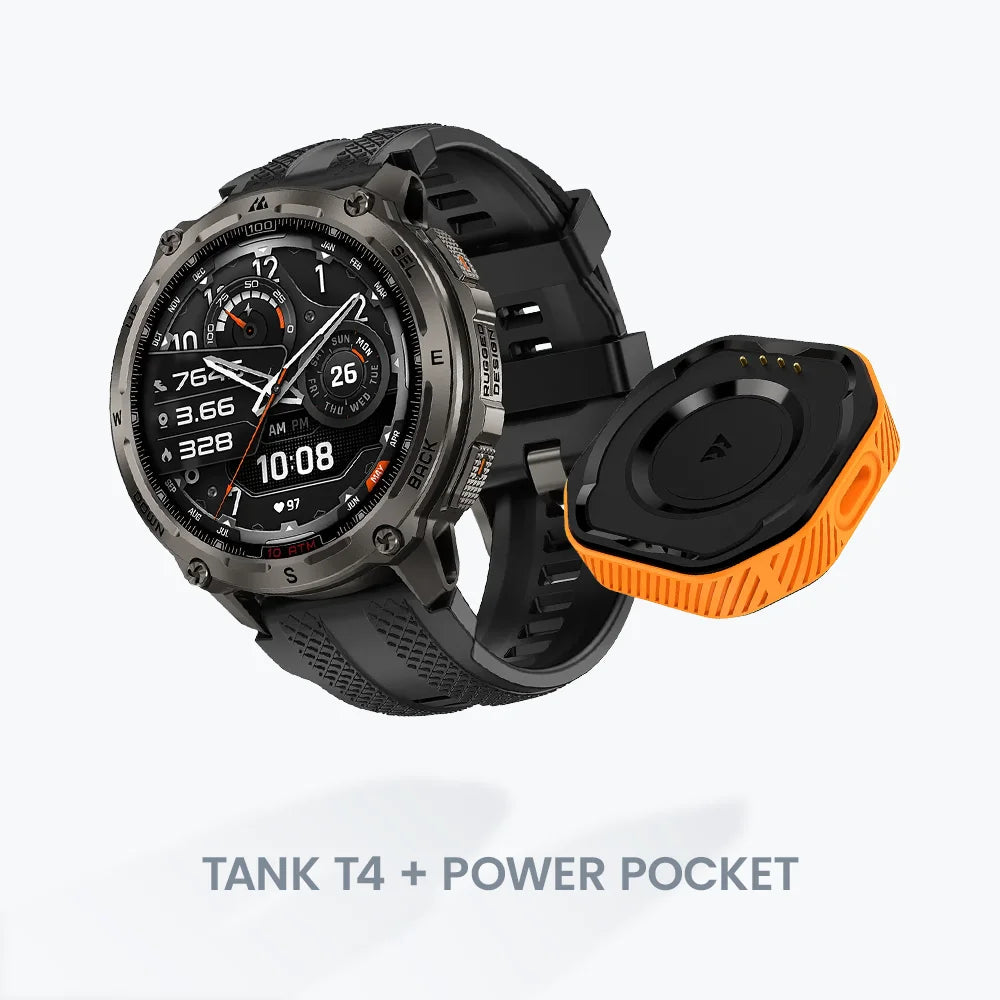
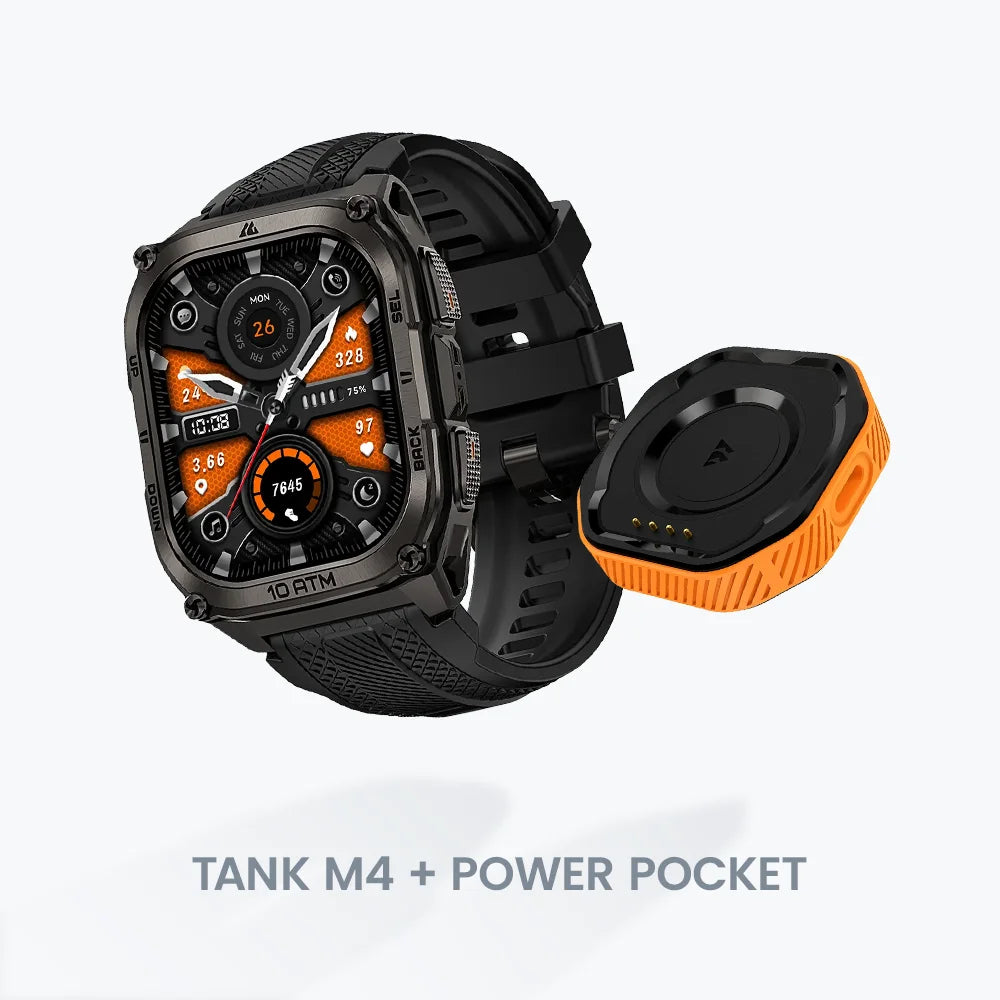
KOSPET uses this strategy on models such as Tank M4, combining 10 ATM ratings with IP69K and adding swim tracking features calibrated for those depths.

My strong view. A smartwatch that claims to be for sport but offers only IP67 without an ATM rating is cutting corners. I would not recommend using that watch for regular swimming at all.
What to Do If Your Watch Isn't Waterproof Enough
Sometimes the honest answer after running the checklist is that your watch is not safe in water. That is still useful information and it opens three realistic options.
- Treat the watch as a land only device. Wear it for the gym, office and daily life, and remove it whenever you go near real water.
- Add a dedicated waterproof sports watch, for example a rugged Kospet model with at least five ATM for swim training and outdoor use. Leave your dress watch dry and safe. cite
- If the watch is expensive and technically rated for water but older, take it to a watchmaker for a pressure test and seal replacement. That small service is cheaper than replacing a water damaged smartwatch.
Trying to force a low rated watch into a diving role is never a smart strategy. You do not only risk the device. You also lose trust in your gear, which is the last thing you want when you are far from shore.
Final Waterproof Watch Checklist
To close the loop, here is the decision path I use and recommend whenever someone asks how to tell if a watch is waterproof.
- If there is no clear rating on the back or in the manual, assume splash only and keep it out of pools and the sea.
- If the watch is three ATM, think office and rain, not swimming.
- If the watch is five ATM, accept pool swimming but not diving or high impact water sports.
- If the watch is ten ATM or more, you can plan serious surface water sports and many dives, as long as the manual confirms it.
- Always adjust your trust downward if the watch is old, has taken impacts or has never been serviced.
The internet is full of generic claims about watches that are waterproof. Very few guides tell you what actually matters, which is this.
- Ignore the word waterproof by itself.
- Read the exact rating.
- Match that rating to your specific sport.
- Respect age, heat and shocks.
If you follow this method you will not only pick better waterproof watches. You will also protect your existing watches from quiet, slow water damage that most owners never see coming until it is too late.
Conclusion
When purchasing a waterproof watch or assessing the water resistance of an existing one, it is crucial to go beyond marketing claims. Understanding the meaning behind ATM ratings, IP codes, and their real-world applications will help you make an informed decision.
Always verify the manufacturer's specifications, align the rating with your planned activities, and be mindful of factors such as age, impacts, and extreme conditions.
FAQs
If a watch case only says “Water Resistant” but no depth or ATM number, is it safe for swimming?
No. “Water Resistant” without a specific rating means it is only splash‑/rain‑proof and is not safe for swimming or immersion.
Does a “50 m / 5 ATM” rating mean the watch can go 50 meters underwater safely?
Not really. The rating reflects a static pressure test. It may survive light swimming, but it is not guaranteed for diving or repeated deep submersion.
Will a water‑resistan watch stay safe over years of use?
Not always. Seals and gaskets degrade over time and under stress. For reliable water‑resistance, it’s wise to have periodic pressure/seal checks if you routinely use the watch in water.



Leave a comment
All comments are moderated before being published.
This site is protected by hCaptcha and the hCaptcha Privacy Policy and Terms of Service apply.